
Unbiased headlines. Facts, not spin.
Every story is an unbiased news briefing written from 110+ sources across the spectrum — sources linked so you can verify it yourself.
 economy
Major Story (7/10)
August 16, 2026 at 05:42 PM
economy
Major Story (7/10)
August 16, 2026 at 05:42 PM
Native-Born Unemployment Rises Even As Immigration Enforcement Cuts Foreign-Born Labor Force
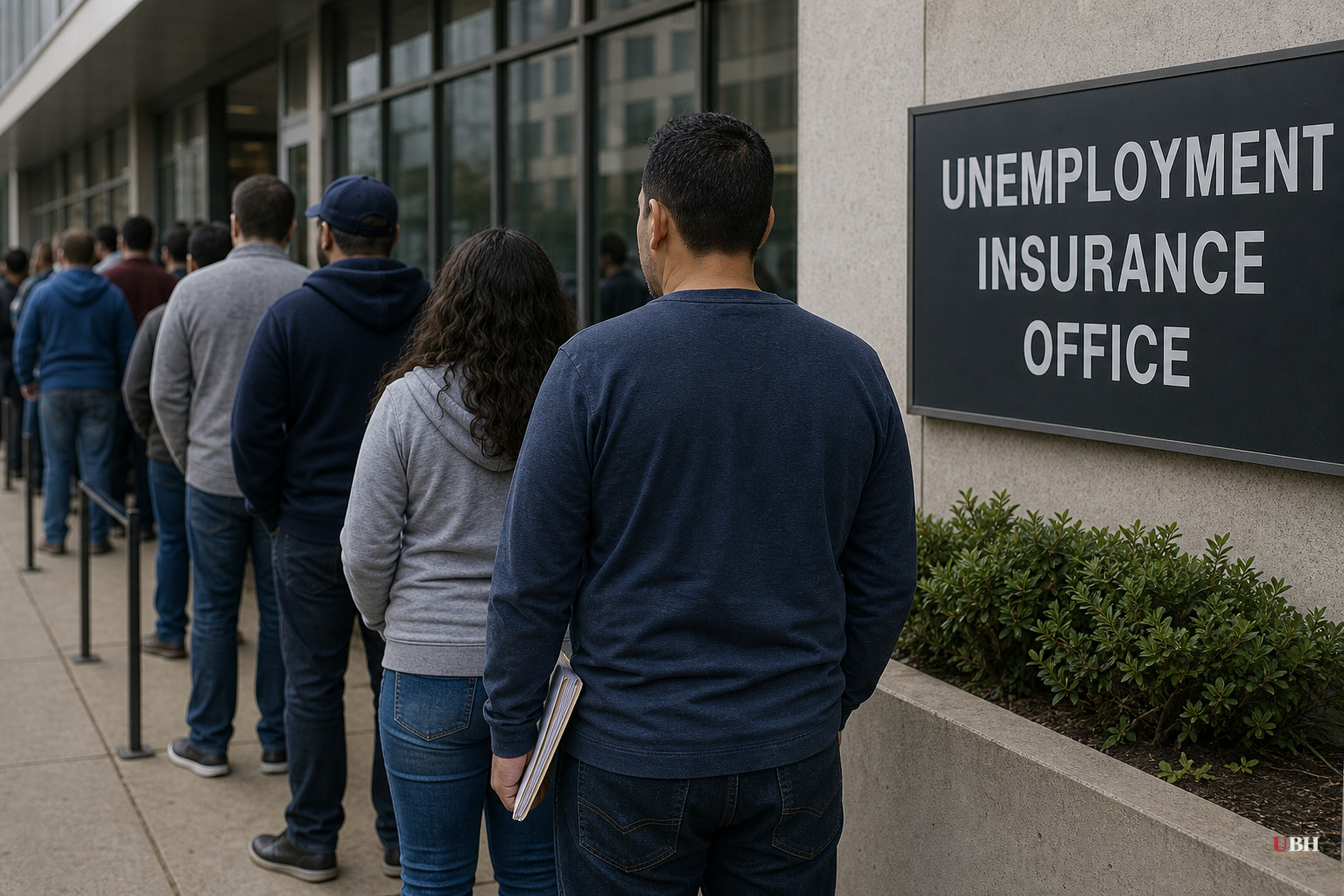
President Trump built his 2024 campaign on a simple claim: immigrants were taking jobs from American workers and driving down their wages. Get them out, and native-born workers win.
The numbers coming in tell a messier story.
Census Bureau data from January showed net international migration collapsing from a peak of 2.7 million people in 2024 to an estimated 321,000 by mid-2026, according to Fortune. Brookings estimates the figure is even lower and says the U.S. could see negative net migration this year.
At the same time, Moody's chief economist Mark Zandi tells Fortune that foreign-born unemployment fell below native-born unemployment starting in October 2025, based on a 12-month moving average of seasonally unadjusted data. That's a reversal, and it's happening while the overall unemployment rate has held at 4.1% in the latest reading.
Zandi says the drop in foreign-born unemployment isn't complicated. The immigrant labor force is shrinking because of White House policy, so unemployment for that shrinking group looks lower. The rise in native-born unemployment is the harder puzzle. Zandi points to falling overall labor demand as one driver. If native-born workers now make up a bigger share of the labor force, they absorb more of any slowdown.
But there's a second factor Zandi flags that cuts against the "immigrants stole your job" theory: the jobs in question aren't ones native-born workers are lining up for, even with less competition.
The Bureau of Labor Statistics found that in 2025, foreign-born workers were more concentrated than native-born workers in construction, trucking, natural resources, and health and personal care. Those workers also earn less. BLS data show foreign-born, full-time wage and salary workers earn 85.7% of what native-born workers earn.
"It just goes to show how difficult many of these jobs are," Zandi told Fortune. "Native-born workers would take them, but it would require much, much higher wages... [and that] would make it uneconomic for the businesses to actually produce whatever it is they're doing." He added that these jobs "have been held by immigrants for years, decades, generations," creating a skills and awareness gap among native-born workers who haven't done that work.
That's a real economic argument, not a talking point invented to embarrass the administration. If a construction firm or a meatpacking plant can't raise wages enough to attract American workers without pricing itself out of the market, tightening the immigrant labor supply doesn't automatically produce higher-paid American jobs. It can just produce fewer filled jobs, or higher prices passed to consumers.
The administration's defenders have a fair counter, though, and it shows up clearly in Breitbart's reporting. Breitbart's Business Digest points out that the three-month moving average of job growth hit 188,333 as of the May jobs report, one of the strongest readings relative to labor-force growth in postwar history. The foreign-born civilian population dropped by roughly 532,000 over the prior 12 months, foreign-born employment fell by 107,000, and job growth still outpaced labor-force growth by a wide margin. Breitbart's framing: this is what a "jobs boom" looks like, not stagnation.
Those two data sets aren't necessarily contradictory. Overall job creation can run hot in aggregate while a specific cohort, native-born workers especially those without a college degree, sees its unemployment rate tick up relative to immigrants. Both things showing up in the same labor market at the same time is exactly what critics like Zandi are describing.
There's also a case for the administration's broader immigration strategy that goes beyond the labor-market debate entirely. Writing in the Daily Wire, Tricia McLaughlin, Assistant Secretary for Public Affairs at the Department of Homeland Security, argues the EB-5 investor visa program shows what "legal" immigration should look like: over three years it generated $75.2 billion in investment, created 1.7 million jobs, and added $184 billion to GDP, according to McLaughlin, without relying on taxpayer money. She contrasts that with what she calls a "hollowed-out" legal immigration system inherited from prior administrations, citing a $150.7 billion annual cost estimate for illegal and loosely-vetted "legal" immigration. That's a distinct argument from the low-wage labor question Zandi is raising, and it deserves to be evaluated on its own terms rather than folded into the wage debate.
None of this settles whether Trump's immigration crackdown will eventually raise wages for native-born workers, as he promised. Wage growth has stalled even as the immigrant labor pool shrinks, according to Fortune and Yahoo Finance's reporting on the same underlying data. Whether that's a temporary adjustment period or a sign the labor substitution simply isn't happening is the open question neither the administration nor its critics can yet answer with hard data. The next Bureau of Labor Statistics jobs report and the next Census migration update will be the tests to watch.
Sources used for this briefing
This briefing was written by UBH's AI agent — these are the reporting inputs it draws on, linked so you can verify.


