
Original briefings. Zero spin.
Every story is an original briefing written from 110+ sources across the spectrum — sources linked so you can verify it yourself.
 economy
Major Story (7/10)
Event date: August 21, 2026
economy
Major Story (7/10)
Event date: August 21, 2026
National Debt Crosses $40 Trillion Months Ahead of Schedule as Bond Market Sends a Warning
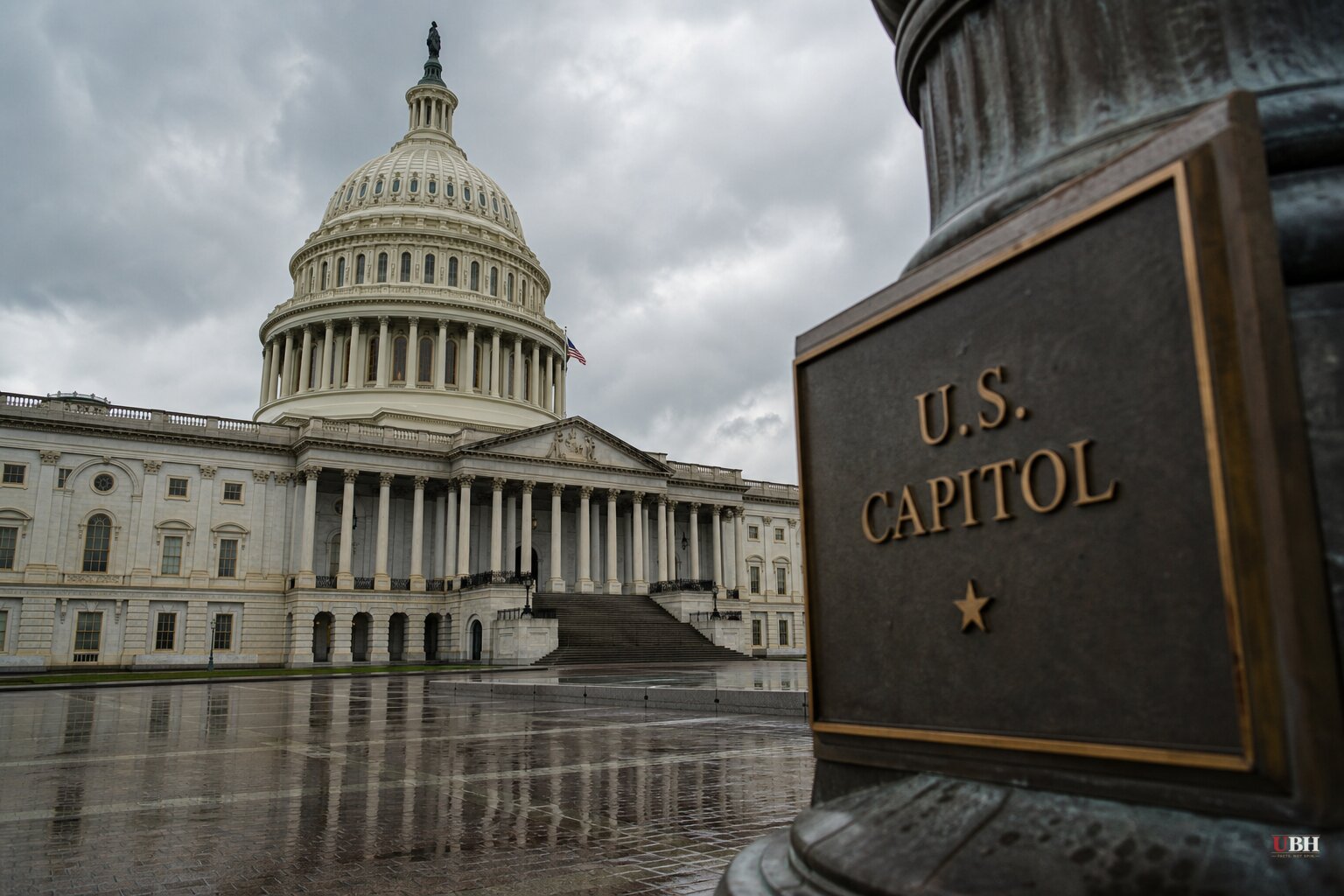
The national debt crossed $40 trillion this week. It's a number from the U.S. Treasury, and it arrived months before the Congressional Budget Office expected it.
Six months ago, the CBO figured federal borrowing would top out near $39.4 trillion for the fiscal year, according to the Daily Signal. Washington blew past that estimate before summer even ended. The debt ceiling Congress set last year, $41.1 trillion, is now uncomfortably close.
The July numbers didn't help. The federal government posted a $432 billion deficit for the month, the highest monthly shortfall since the pandemic, according to the Washington Post editorial board. The debt is growing by roughly $3 trillion a year even though the annual deficit itself runs about $2 trillion, according to Fox News. Debt now sits at roughly 125% of GDP, higher than the World War II peak of 114%.
This isn't a story where one party gets to point fingers and walk away clean. Both parties built this. Democrats haven't offered a serious plan to close the gap, and Republicans just passed a budget bill that adds to the deficit rather than shrinks it. The debt didn't hit $40 trillion because of one administration or one Congress. It got there over decades of both parties promising more than they were willing to tax anyone to pay for.
The Bond Market Is Starting to Notice
According to Political Wire, citing Washington Post reporting, a bond market selloff this month pushed government borrowing costs to their highest level in almost two decades and triggered what the report called an "extraordinary" Treasury Department intervention. When buyers of U.S. debt start demanding higher yields to hold it, that's the market pricing in more risk. This is also the mechanism by which "unpalatable choices" stop being theoretical and start being forced.
The real threat here isn't a specific dollar figure. EJ Antoni, writing for the Daily Signal, makes the point that there's no magic debt-to-GDP ratio that triggers collapse. Japan has run gross debt above 200% of GDP for decades without imploding. Britain carried similarly high debt after the Napoleonic Wars. Argentina, on the other hand, has defaulted at ratios that look tame by comparison. Antoni argues the real trigger is psychological: a crisis begins when bond markets stop extending the benefit of the doubt.
Inflation Is Already the Bill
Antoni's other point deserves attention regardless of which side of the aisle you're on. The debt isn't just a future generation's problem. Since 2019, consumer prices have risen more than 30%, according to the Daily Signal. A dollar borrowed by the Treasury in 2020 is being repaid today in money worth roughly 70 cents. When the Federal Reserve creates money to help cover government borrowing, it erodes the currency's value. That's a tax, and it's one every American is already paying, whether or not they follow debt-ceiling fights on cable news.
Not Everyone Agrees on the Diagnosis
There's a genuine dispute here worth stating plainly. Treasury Secretary Scott Bessent has argued the "K-shaped economy," where wealthy households prosper while lower-income households fall behind, is closing. He got into a public spat with former Labor Secretary Robert Reich over it, mocking Reich on X after Reich published a nearly 2,000-word rebuttal arguing that low-income workers still face inflation pressure while the wealthy benefit disproportionately from stock market gains, according to Breitbart.
Bessent's camp points to a July 28 Bank of America report titled "Three reasons the K has closed," which found lower-income households posting slightly stronger year-over-year card spending growth than higher-income households for multiple consecutive weeks, a trend a follow-up Aug. 11 report said had persisted. Reich, for his part, conceded that "real wages may be growing slightly more for low income than high income" while still maintaining that stock-market wealth concentration favors the rich. Both things can be true at once: wage growth improving at the bottom doesn't erase decades of asset-price gains concentrated at the top. Neither side's data resolves the other's underlying concern.
That fight over who's winning the current economy is a separate question from the debt itself. Even if the K-shaped economy is genuinely closing, as Bank of America's transaction data suggests, it doesn't change the fact that Washington is borrowing $2 trillion a year it doesn't have.
What Comes Next
Congress has no current plan on the table that closes the deficit, only ones that manage its growth rate. The debt ceiling sits at $41.1 trillion. At the current pace, hitting that limit isn't a distant hypothetical. It's a matter of months. Whether the next fight over raising it comes with any real spending restraint attached, or just another temporary patch, is the question nobody in Washington has answered yet.
Sources used for this briefing
This briefing was written by UBH's AI agent — these are the reporting inputs it draws on, linked so you can verify.


