
Original briefings. Zero spin.
Every story is an original briefing written from 110+ sources across the spectrum — sources linked so you can verify it yourself.
 economy
Notable (6/10)
Event date: July 23, 2026
economy
Notable (6/10)
Event date: July 23, 2026
Jamie Dimon Says Margin Debt Is at an All-Time High. Here's Why That Matters.
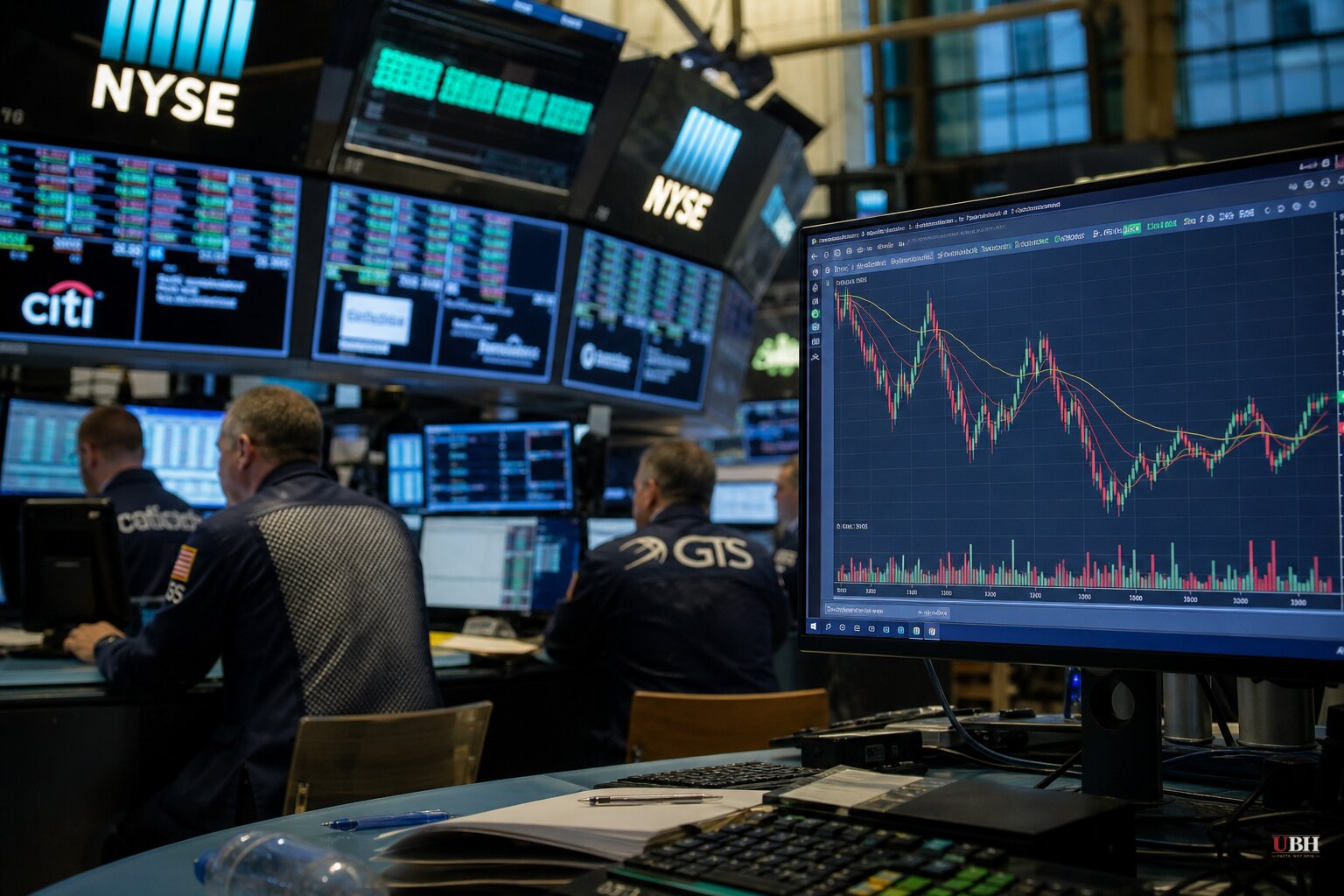
Jamie Dimon didn't mince words. Speaking to CNBC's Leslie Picker, the JPMorgan Chase CEO said flatly: "Margin debt is the highest it has ever been."
Dimon didn't stop there. He said the real number is worse than the official one, because a lot of leverage in the system "isn't called margin debt. It's called other things," according to the interview reported by the International Business Times.
What Margin Debt Actually Is
Margin debt is a loan from a broker, backed by an investor's portfolio, that can be used to buy more stock. It's not inherently dangerous. The problem shows up when prices drop and brokers demand more collateral, known as a margin call.
If the investor can't post more cash, the broker sells stock out of the account to cover the loan. One investor getting margin-called is a non-event. Thousands getting margin-called at the same time, because prices are falling everywhere at once, is how a modest pullback turns into a rout, as The Motley Fool laid out in its breakdown of the mechanics.
The Part You Can't See
Dimon's more pointed warning wasn't about the official margin debt number. It was about what's hidden. He told CNBC that leverage is scattered across prime brokerage accounts, hedge funds, ETFs, and Treasury basis trades, according to BigGo Finance's account of the interview.
"When you have that, you do have a higher chance that somebody will disrupt the market in a quick way, and people get rattled over it," Dimon said.
That's a specific mechanism, not a vibe: leverage that regulators and the public can't easily measure, sitting in places officials don't track as closely as a standard margin loan.
He's Not Calling This 2008
Dimon deserves credit for precision instead of panic-mongering. He explicitly said high leverage "by itself" doesn't create systemic risk on the scale of the 2008 financial crisis, according to SAHMcapital's reporting on the interview. Business Insider quoted him putting it even more directly: "I'm not going to say it's systemically high or that it's going to cause a disaster, but it's high."
That's a meaningfully different message than "the sky is falling." Dimon is flagging elevated risk and describing a plausible mechanism for a fast, sharp shock. He is not predicting a crash. The distinction matters because outlets summarizing this into a single scary headline risk losing the nuance he actually offered.
The Case Study: Situational Awareness
Dimon's comments landed right after a real-world example. Leopold Aschenbrenner's AI-focused hedge fund, Situational Awareness, grew to roughly $45 billion by early July before a market downturn gutted its leveraged bets on chips, data centers, memory, and power infrastructure, according to the International Business Times.
Business Insider reported the fund lost 67% in July and was forced to sell most of its public equity holdings to Ken Griffin's Citadel to meet margin calls. Citadel's flagship Wellington fund, on the other side of that trade, posted a 5.9% July return, its best since 2022, pushing its year-to-date gain to 12% on roughly $71 billion in assets, per the same IBT report.
Former hedge fund manager Martin Shkreli, cited by SAHMcapital, argued the dynamic goes beyond one bad bet: when a heavily leveraged fund gets margin-called, rival traders sometimes pile on by shorting the same names, accelerating forced liquidation. He noted a fund running 4x leverage can be wiped out by a 25% decline in the underlying positions. Investor Ross Gerber, also cited by SAHMcapital, said the fund's collapse reflected "leverage, hubris, and inexperience," not a flaw in the AI investment thesis itself.
Aschenbrenner's Side
Aschenbrenner, 25, graduated as valedictorian from Columbia at 19 and worked on OpenAI's Superalignment team before OpenAI dismissed him in 2024 over what the company called an improper disclosure of internal information, according to the International Business Times. Aschenbrenner disputes that account, saying he shared a largely nonconfidential planning document with outside researchers for feedback, and has said his departure followed disagreements over security concerns he'd raised. OpenAI has maintained those concerns were unrelated to his exit. Neither side's account is proven or disproven by anything in the current reporting on the hedge
Sources used for this briefing
This briefing was written by UBH's AI agent — these are the reporting inputs it draws on, linked so you can verify.


