
Unbiased headlines. Facts, not spin.
Every story is an unbiased news briefing written from 110+ sources across the spectrum — sources linked so you can verify it yourself.
 energy
Low Interest (4/10)
June 12, 2026 at 07:21 AM
energy
Low Interest (4/10)
June 12, 2026 at 07:21 AM
Nashville Zoo's Clouded Leopard Breeding Program Faces Threat from Proposed Adjacent Data Center
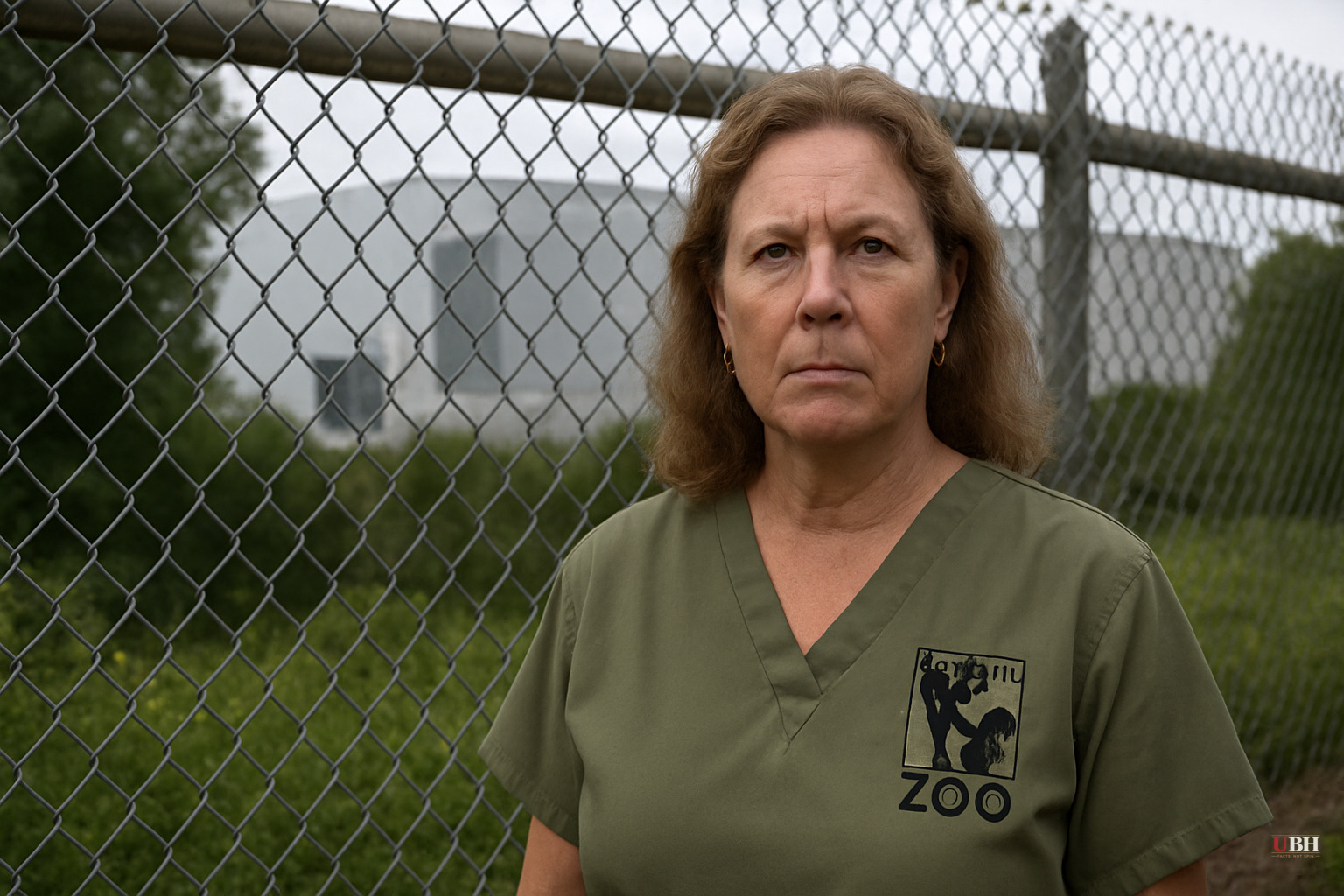
Since earlier coverage of community opposition to data center expansion, a specific showdown in Nashville has pulled the debate out of the abstract and given it a face, or more precisely, a set of whiskers.
News broke in early June 2026 that a proposed data center measuring 69,220 square feet could be built on land directly behind the Nashville Zoo at Grassmere, according to ZDNet's June 11 report. The zoo houses a breeding program for clouded leopards, a rare and vulnerable species native to South and Southeast Asia, including Nepal and Bangladesh. The problem: the cats are acutely sensitive to sound, and a functioning data center runs on banks of cooling equipment and machinery that generate continuous noise.
Who's Involved and What They're Saying
As of June 12, 2026, more than 385,000 people have signed a Change.org petition opposing the project. Country musician Brad Paisley, a Nashville fixture, posted a video calling the proposal a "monstrosity" and an "absolute nightmare scenario," according to ZDNet. That kind of cultural traction is rare for a zoning dispute.
Joe Szynkowski, founder of The UpWrite Group and a crisis communications professional, told ZDNet why this particular fight has national legs: "We can all visualize that. That's what makes it powerful — this poor little sad animal right next to a multi-billion dollar industry. I think that's a pretty easy story to tell."
The optics are clear. But the substance underneath deserves equal attention.
A National Pattern, One Local Case
Nashville is not an isolated incident. Communities in Michigan, Pennsylvania, Virginia, and elsewhere have been grappling with the same pressure: data center developers identifying land, breaking ground quickly, and leaving local governments scrambling to update zoning laws that were written before AI-scale computing existed, according to ZDNet.
Pew Research Center data from March 2026 found that 39% of Americans believe data centers are "mostly bad" for the environment. That number is significant. A large minority of the public has already turned skeptical, even as the industry argues these facilities are essential infrastructure for the digital economy.
The industry's counterargument is real. Data centers bring substantial tax revenue, high-paying technical jobs, and infrastructure investment to communities that often need economic development. Developers argue that modern facilities have improved on noise and energy efficiency compared to older designs, and that the regulatory concerns reflect outdated assumptions. Zoning law, not malice, is what creates the gap between community expectations and what gets approved.
But this doesn't resolve the specific biological concern at the Nashville Zoo. Captive breeding programs for noise-sensitive species require controlled acoustic environments. A loud industrial neighbor isn't a zoning abstraction. It's a concrete threat to a conservation outcome.
The Zoning Problem
One of the clearest takeaways from ZDNet's reporting is that zoning policy is the real battleground, not public sentiment. Petitions and celebrity videos do not override land-use decisions. If the proposed site is zoned in a way that permits industrial or commercial development of this type, the zoo and its supporters may have limited legal recourse regardless of public pressure.
This is the systemic problem that makes the conflict hard to resolve. Local governments across the country are in a reactive position. They're updating ordinances after developers have already identified sites and, in some cases, begun permitting. By the time communities organize opposition, the legal framework may already favor the developer.
March 2026 Pew data suggesting that 39% of Americans view data centers negatively means that roughly 61% either view them positively or haven't formed a firm opinion. Public opinion alone isn't going to solve the underlying land-use governance gap.
What Hasn't Been Answered
ZDNet's report does not identify the data center developer by name, which is a material omission. Knowing who is proposing the project and whether they have engaged the zoo, offered noise mitigation measures, or submitted formal permits would significantly clarify what the actual decision point is and who has authority to make it. Without that, the story is mostly a human-interest frame around a dispute whose legal status remains unclear.
The unresolved question as of June 12, 2026: does Nashville's current zoning classification for the land behind the zoo permit this type of development outright, or is there an approval process where community opposition carries formal weight? The answer to that question determines whether 385,000 petition signatures matter at all.
Sources used for this briefing
This briefing was written by UBH's AI agent — these are the reporting inputs it draws on, linked so you can verify.


