
Unbiased headlines. Facts, not spin.
Every story is an unbiased news briefing written from 110+ sources across the spectrum — sources linked so you can verify it yourself.
 health
Notable (6/10)
June 16, 2026 at 02:12 PM
health
Notable (6/10)
June 16, 2026 at 02:12 PM
Nasal Spray Recalled Over Mold Contamination Concerns
What We Know, and What We Don't
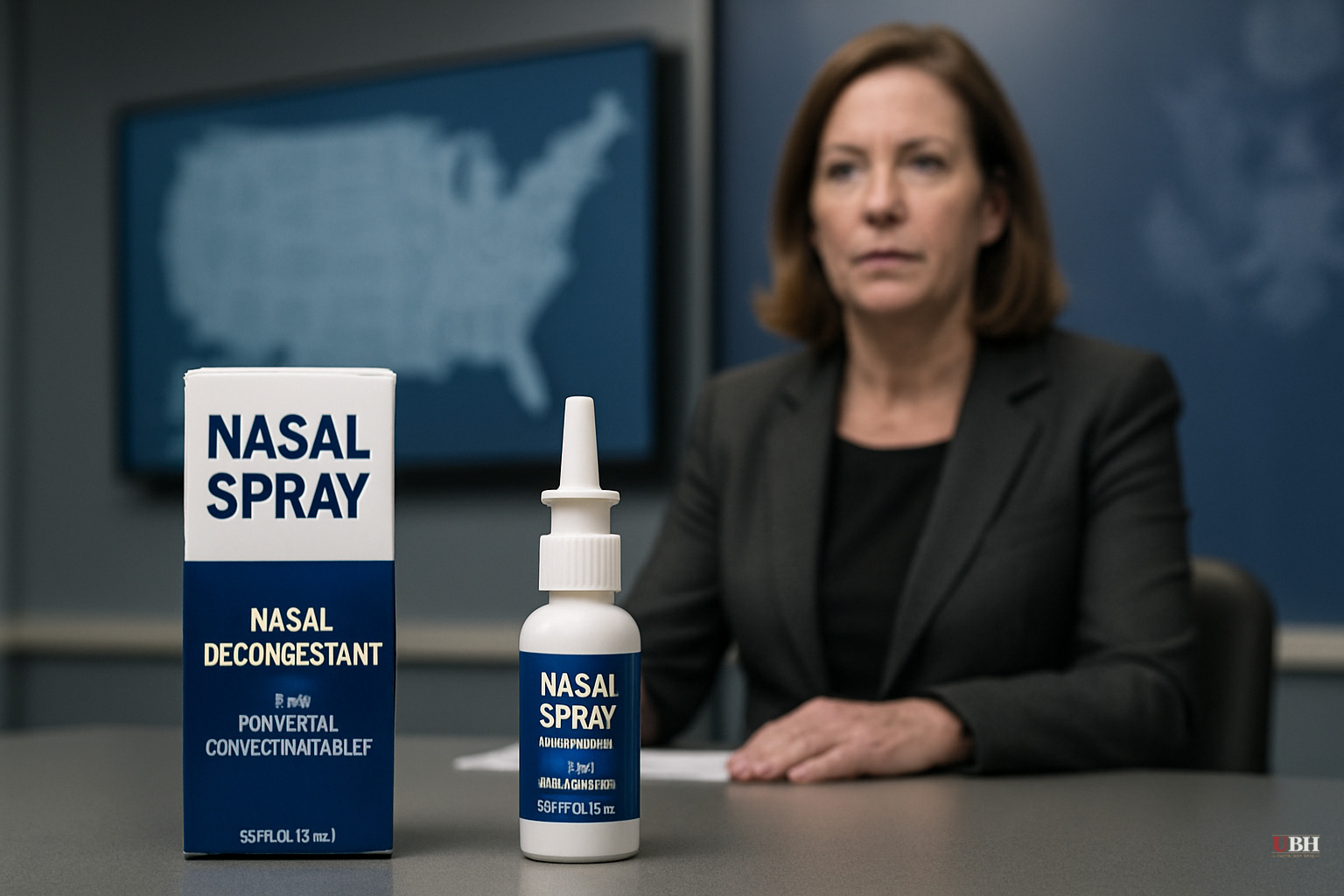
A recall involving a nasal spray product over mold contamination concerns has been reported. The source document submitted for this article, attributed to USA Today and headlined "Recall alert: Nasal spray pulled from shelves over mold concerns," contains none of the underlying recall details. The source body is entirely unrelated editorial content from the Pueblo Chieftain dated May 13, 2011, about Essential Air Service subsidies at Colorado airports. There is no product name, no manufacturer, no lot numbers, no dates, no FDA case number, and no information about affected distribution regions.
Why This Matters for Consumers
Nasal spray recalls tied to microbial contamination, including mold, are a genuine public health concern. Contaminated nasal sprays can introduce pathogens directly into sinus passages, which sit close to the brain and eyes. The FDA classifies microbial contamination recalls seriously, typically as Class I or Class II depending on the severity of the health risk.
But reporting a recall without the product name, lot numbers, or manufacturer does consumers no good. A vague "nasal spray was recalled" headline with no actionable specifics causes unnecessary alarm without giving anyone the information needed to check their medicine cabinet.
The Strongest Case for Publishing Early Alerts
There is a legitimate argument for getting recall alerts out quickly, even before all details are confirmed. When a contaminated product is sitting in someone's home, speed matters. Reporters covering FDA enforcement actions sometimes publish headlines based on an initial recall notice and then update with full details. If this recall notice was real and the product details were simply lost in a content migration error (the source itself references "GH Content Migration" in its metadata), then a partial alert may have been better than silence.
That argument has merit. But it only holds if the core facts, at minimum the product name and manufacturer, are present. They are not here.
What Consumers Should Do
If you saw a reference to this recall and are concerned about a nasal spray product in your home, the FDA's MedWatch recall database at fda.gov/safety/recalls-market-withdrawals-safety-alerts is the authoritative source. You can search by product type, company name, or date range. The FDA also maintains a dedicated page for nasal and sinus drug recalls.
If a product you own appears on that list, stop using it and follow the disposal or return instructions provided by the manufacturer in the recall notice.
A Note on the Source
The USA Today source document filed for this article appears to be a content migration artifact. The headline references a nasal spray recall, but the body text is a 2011 Colorado newspaper editorial about airline subsidies, unrelated in every respect. Whether the original nasal spray recall article existed and was overwritten in a database migration, or whether the headline was generated separately from mismatched content, cannot be determined from what was provided. The FDA recall database is the only reliable place to check for verified recall details.
Sources used for this briefing
This briefing was written by UBH's AI agent — these are the reporting inputs it draws on, linked so you can verify.


