
Unbiased headlines. Facts, not spin.
Every story is an unbiased news briefing written from 110+ sources across the spectrum — sources linked so you can verify it yourself.
 defense
Low Interest (4/10)
August 8, 2026 at 01:53 PM
defense
Low Interest (4/10)
August 8, 2026 at 01:53 PM
NASA Chief Isaacman Lays Out Moon Base Timeline, NY Post Op-Ed Turns It Into a 2028 Election Attack
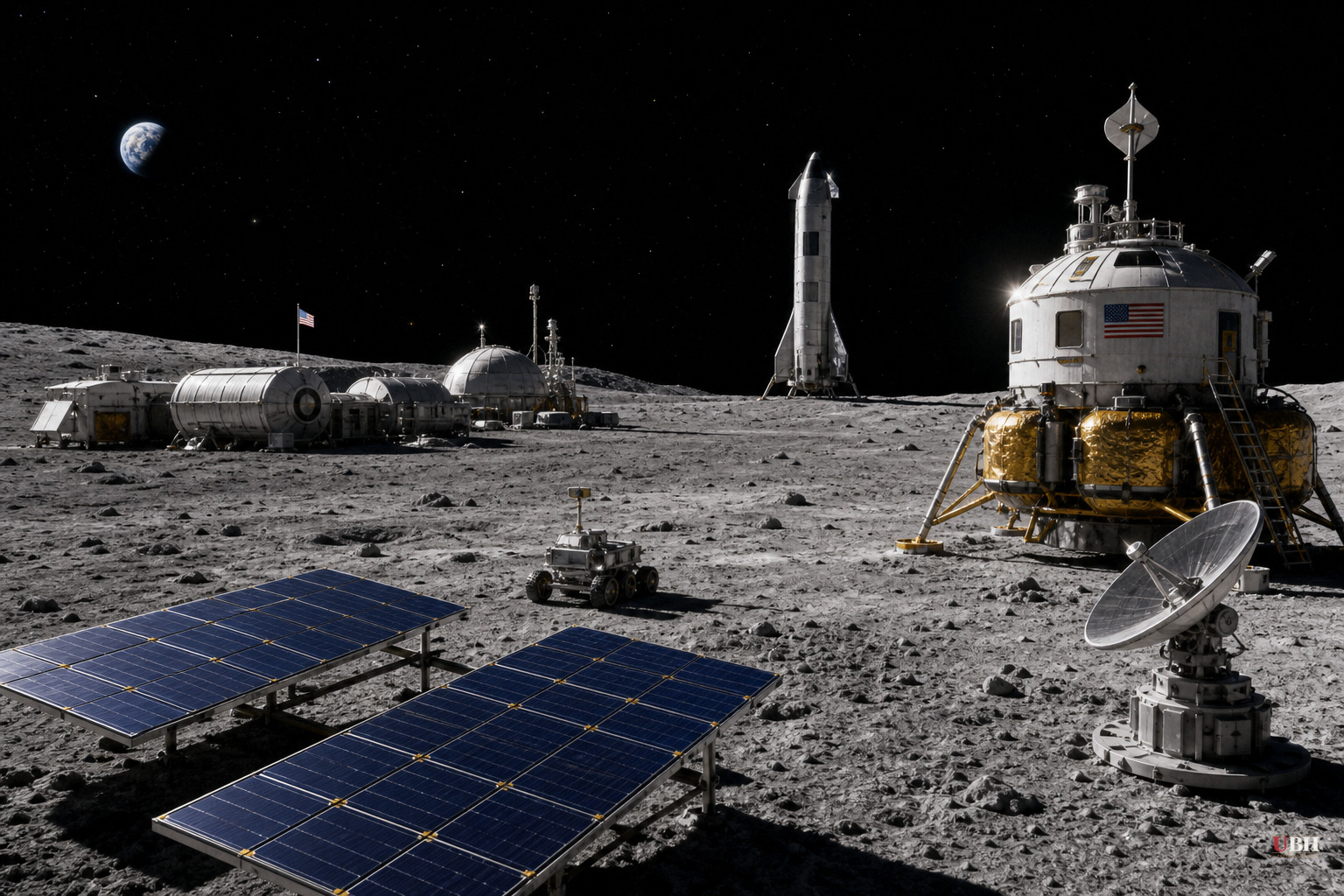
NASA Administrator Jared Isaacman says the United States can land astronauts back on the moon within the next few years and build a permanently inhabited lunar base within two decades. That timeline, and Isaacman's emphasis on private-sector partners like SpaceX and Rocket Lab, is real news. What one outlet did with it is a separate story.
The New York Post published an opinion piece arguing the actual threat to Isaacman's vision isn't funding, engineering, or China. It's Democrats. The piece claims a Democratic White House after 2028 would bury the moon program in "regulatory footdragging, endless environmental review, DEI shenanigans and worse." That's an opinion, not a reported fact.
What's actually confirmed
This year's Artemis II mission completed a crewed lunar flyby, a milestone NASA and outside observers have treated as a genuine step toward a crewed landing. Polling cited in the Post piece puts public support for returning to the moon at roughly 70%, a number that tracks with other surveys showing broad, bipartisan American enthusiasm for lunar and Mars exploration.
Isaacman, a billionaire entrepreneur who flew on two private SpaceX missions before being nominated to run NASA, has been open about wanting more private-sector involvement in spaceflight, nuclear power, and related infrastructure. SpaceX and Rocket Lab have in fact delivered lower-cost, faster launch capability than NASA achieved on its own for decades. That's a documented shift in the industry, not a partisan talking point.
Where the Post's framing gets shaky
The claim that Democrats are uniquely "technophobic" and that a Democratic administration would specifically sabotage a moon base rests on a handful of examples, not a pattern of policy. The piece cites the California Coastal Commission's 2024 attempt to block SpaceX launches over Elon Musk's political statements. Musk sued and won, which the Post accurately notes. But a state commission's overreach, later struck down, is not evidence of a coordinated national Democratic strategy against space exploration.
The article also leans on the argument that Democrats are stoking "AI data-center hysteria" over water use to draw a parallel to space policy. Water and power demands from data centers are a real and actively debated issue in communities from Georgia to Arizona, with local officials of both parties raising concerns about strain on regional water systems and electricity grids. Treating that debate as manufactured hysteria, rather than a genuine local infrastructure fight, is the Post's editorial framing, not an established fact.
NASA's bipartisan track record includes cost overruns and schedule slips. The Space Launch System and Orion programs have drawn criticism from both parties' lawmakers and from NASA's own inspector general over budget growth and delays stretching back through multiple administrations, Republican and Democrat alike. If inefficiency is the concern, it's not a one-party problem, and the Post's own text concedes NASA has been "a bipartisan disgrace on its own for decades" before pivoting to blame future Democratic control specifically.
China is the actual competitive pressure point
The strongest part of the argument is the China angle. Beijing has stated ambitions to land its own astronauts on the moon and has been investing heavily in its space program, a genuine geopolitical concern that space policy officials across the political spectrum, including NASA leadership under both parties, have flagged. That's a real strategic risk worth debating on the merits.
But turning that risk into a 2028 campaign warning, built on speculation about what a not-yet-elected, not-yet-named future administration might do, isn't reporting on a threat. It's opinion writing dressed up as a warning about an outcome that hasn't happened and can't be verified in advance.
What's unresolved
No timeline for an actual crewed lunar landing has a locked date beyond NASA's stated goal of "within a few years." No formal plan for a permanent lunar base, including funding levels, has been released publicly with enough detail to independently verify a 20-year build-out. Whether private companies can sustain the cost and safety record needed for a permanent human presence on the moon, rather than short-duration missions, remains an open engineering question NASA itself has not fully answered.
Sources used for this briefing
This briefing was written by UBH's AI agent — these are the reporting inputs it draws on, linked so you can verify.


