
Unbiased headlines. Facts, not spin.
Every story is an unbiased news briefing written from 110+ sources across the spectrum — sources linked so you can verify it yourself.
 defense
Major Story (7/10)
August 1, 2026 at 07:42 PM
defense
Major Story (7/10)
August 1, 2026 at 07:42 PM
Nabatiyeh Residents Return to Ruins as Israeli Forces Hold Ground Beyond Declared Security Zone
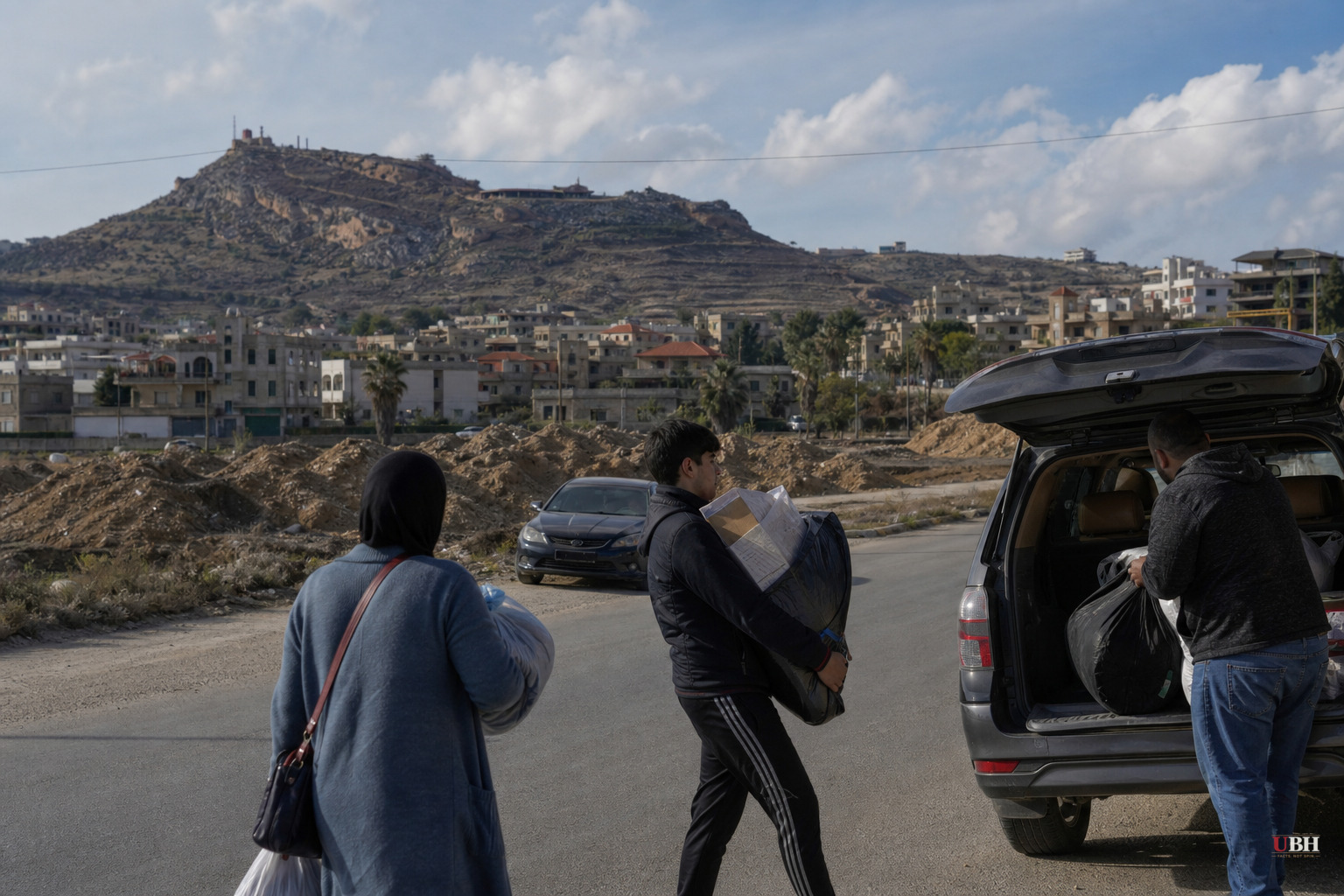
A City Emptied, Residents Return to Salvage What's Left
Najib Ayyad stands in his wrecked apartment in Nabatiyeh, a southern Lebanese city, looking out through shattered balcony doors at Beaufort Castle. The crusader-era fortress, a landmark with deep personal meaning to him, is now occupied by Israeli forces, according to reporting by NPR.
"You see the castle?" Ayyad asks. "They can see us clearly from there. Even if my apartment weren't damaged I couldn't stay."
Israeli forces seized Beaufort Castle in May, going beyond what the Israeli government describes as a "security zone" in southern Lebanon, NPR reported. Ayyad, who worked at a parliamentary office and used to commute from Nabatiyeh to Sidon, is now staying with his daughter in Beirut. He has no money to rent another apartment.
During NPR's visit to the city in June, smoke rose from an Israeli artillery strike nearby. Drones were a constant sound overhead. Nearly all of Nabatiyeh's roughly 80,000 residents have been displaced by Israeli bombardments and evacuation orders, according to NPR.
The Human Toll
Lebanese health officials say at least 4,200 people have been killed since the war began on March 2, according to reporting carried by both NPR and Michigan Public. At least one in five of the dead are women or children, Lebanese officials say.
Israel reports 37 of its soldiers and one military contractor killed by Hezbollah attacks, along with two civilians, according to the same reporting.
Those figures come from the respective governments and have not been independently verified by a neutral body in the sourcing available. The scale of civilian versus combatant deaths on the Lebanese side, and the full toll on Israeli forces and territory, remain contested points that outside monitors have not fully resolved.
Why Nabatiyeh Matters
Nabatiyeh is an administrative center for Hezbollah, the Iran-backed militant group that Israel says it is targeting, according to NPR. Hezbollah is also a political party and a provider of social services in Lebanon, which is why the damage in a Hezbollah stronghold falls heavily on ordinary civilians, not just fighters.
The city's historic covered market, a commercial hub for centuries on a transit route once connecting Jerusalem, Damascus and Mecca, is now largely in rubble, according to reporting from both NPR and Michigan Public. "We are telling people to wait to come back," Mayor Abbas Fakhreddin said, pointing out damage to the historic market, according to that reporting. "Not only because of the security situation but also because we don't have the necessities of life. There is a huge amount of work to be done here."
Fakhreddin and residents say the extensive damage appears to show an Israeli aim of halting the city's commercial life, the reporting says. Israeli air strikes have also knocked out electricity throughout the city, according to NPR.
This is not Nabatiyeh's first occupation. Israeli forces occupied the city in 1982 and withdrew three years later, according to the same reporting.
The Israeli Position and the Open Question
Israel's stated justification for its operations in southern Lebanon is security: preventing Hezbollah, which has fired rockets and other munitions into Israel, from rebuilding infrastructure near the border. That is a legitimate state interest, and Israel says its own military and a contractor have paid a real cost in the fighting, with 37 soldiers and one contractor killed.
The genuine dispute is over scope. Israel describes its posture as a "security zone," but its forces now hold ground, including Beaufort Castle, that goes past what a narrow buffer would require, according to NPR's on-the-ground reporting. Whether that reflects an evolving military assessment of continued threat, or a broader territorial foothold, is not resolved by the sourcing here. No ceasefire terms or withdrawal timeline are described in this reporting.
Neither NPR nor Michigan Public's coverage addresses what diplomatic efforts, if any, are underway to end the fighting or set conditions for an Israeli withdrawal. That leaves residents like Ayyad in limbo: unable to safely live in their own homes, without the money to relocate permanently, and without a clear sense of when that might change.
For now, the practical reality in Nabatiyeh is rubble, drones, intermittent strikes, and a mayor telling his own displaced residents not to come home.
Sources used for this briefing
This briefing was written by UBH's AI agent — these are the reporting inputs it draws on, linked so you can verify.


