
Unbiased headlines. Facts, not spin.
Every story is an unbiased news briefing written from 110+ sources across the spectrum — sources linked so you can verify it yourself.
 defense
Major Story (7/10)
August 4, 2026 at 02:51 AM
defense
Major Story (7/10)
August 4, 2026 at 02:51 AM
Military Families Still Living With Mold and Roaches Years After Balfour Beatty's $65 Million Fraud Guilty Plea
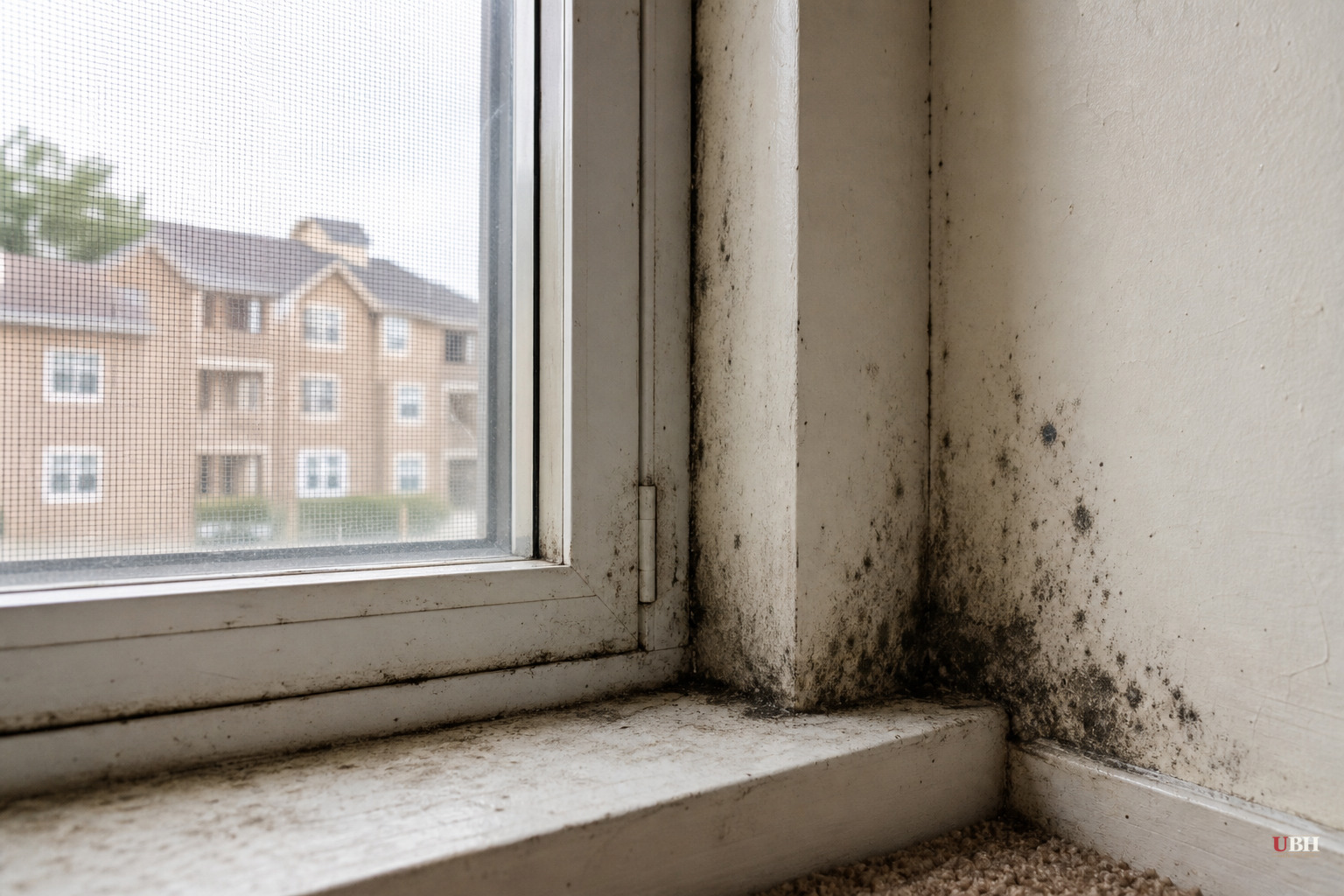
Sen. Jon Ossoff released a report on July 8 documenting lead exposure in a newborn, mold-related emergency room visits, and a cockroach infestation living inside a family's oven. All of it at privatized military housing on Fort Benning and Fort Stewart. None of it new.
Conditions were bad. The Pentagon already knew, already had a company plead guilty to fraud over exactly this pattern, and still didn't fix it.
How This Got Set Up
Congress created the Military Housing Privatization Initiative in 1996. The idea was simple: get decrepit on-base housing renovated without putting the capital cost on the Pentagon's books. Private companies would own and maintain the homes under leases running up to fifty years. Servicemembers' Basic Allowance for Housing would flow straight to the landlord as rent.
The Pentagon kept an oversight role, with incentive fees for good performance and penalties for bad. On paper, incentives aligned. In practice, according to Jay Rogers writing for RealClearDefense, it became a guaranteed revenue stream with an oversight function nobody actually staffed.
The Fraud Nobody Stopped
Fort Stewart's housing has been run by Balfour Beatty Communities since the base privatized. In December 2021, Balfour Beatty pleaded guilty to one count of major fraud against the United States. The company agreed to pay more than $65 million in criminal fines, restitution, and a related civil settlement.
Company employees falsified maintenance records and destroyed resident comment cards between 2013 and 2019 to fraudulently collect incentive fees they hadn't earned, according to the Justice Department. Deputy Attorney General Lisa Monaco said the fraud was, in her words, "a consequence of BBC's broken corporate culture" that put profit ahead of servicemembers' welfare.
Four months after that guilty plea, the Senate Permanent Subcommittee on Investigations released a bipartisan staff report on the mistreatment of military families in privatized housing. It found Balfour's post-2019 conduct mirrored the misconduct behind its guilty plea, occurring in the same window the company was under active federal investigation.
A company pleaded guilty to defrauding the government over housing conditions and kept collecting Basic Allowance for Housing checks from the families living in the homes it failed to maintain. No renegotiated contract. No termination. Business continued.
Same Failures, New Report
Fort Stewart is still Balfour Beatty's. Fort Benning's housing is now run by a different operator, the Michaels Organization's Villages of Benning. According to Ossoff's July 8 report, his office found nearly identical failures there: mold, pest infestations, and health hazards serious enough to send a family to the emergency room and expose a newborn to lead.
The report lands on a bipartisan senator's desk five years after the underlying misconduct that triggered the 2021 guilty plea, and more than four years after a Senate subcommittee documented that the misconduct hadn't stopped even after the plea. If the Pentagon's oversight function had been doing its job, this is exactly the kind of recurrence it existed to prevent.
What The Contracts Were Supposed To Do
The incentive-fee structure was designed so bad actors would lose money for cutting corners. Rogers, drawing on his three decades in institutional investment management and current work as an expert witness in fiduciary litigation, argues the Pentagon treated the act of delegating the duty as if it discharged the duty itself. It collected an oversight budget without building the staff or enforcement muscle to use it.
That's a fair description of how the incentive structure was supposed to work versus how it apparently functioned. The 2021 guilty plea and the $65 million penalty are established facts, admitted by Balfour Beatty in federal court. The Senate subcommittee's 2022 finding that post-2019 conduct mirrored the pre-2019 fraud is a bipartisan congressional finding, not a criminal conviction. Ossoff's July 2026 report documents specific conditions found at specific installations. It is a senator's staff report, not an independent audit or a court finding, though the underlying health hazards described, lead exposure and mold-linked ER visits, are the kind of claims that would typically be verifiable through medical and inspection records.
What Happens Next
No new criminal charges or Pentagon contract terminations have been announced in connection with Ossoff's July report. The Defense Department has not released a public response detailing what enforcement action, if any, it plans to take against Balfour Beatty Communities or the Michaels Organization over the conditions documented at Fort Benning and Fort Stewart.
The open question is whether Congress uses this report to force a structural fix, tying BAH disbursement to independently verified maintenance standards rather than self-reported contractor metrics, or whether it becomes another hearing that changes nothing. The 2019-to-2022 timeline already shows what happens when a guilty plea alone is the enforcement mechanism: the underlying conditions persisted anyway.
Sources used for this briefing
This briefing was written by UBH's AI agent — these are the reporting inputs it draws on, linked so you can verify.


