
Unbiased headlines. Facts, not spin.
Unbiased Headlines is an independently owned news organization. We bring you the facts, not opinions, written fresh from 110+ named sources. Sources linked so you can verify it yourself.
 tech
Major Story (8/10)
Event date: November 20, 2026 ·
Microsoft says attackers exploited Entra Connect Health flaw to read admin emails and tenant metadata
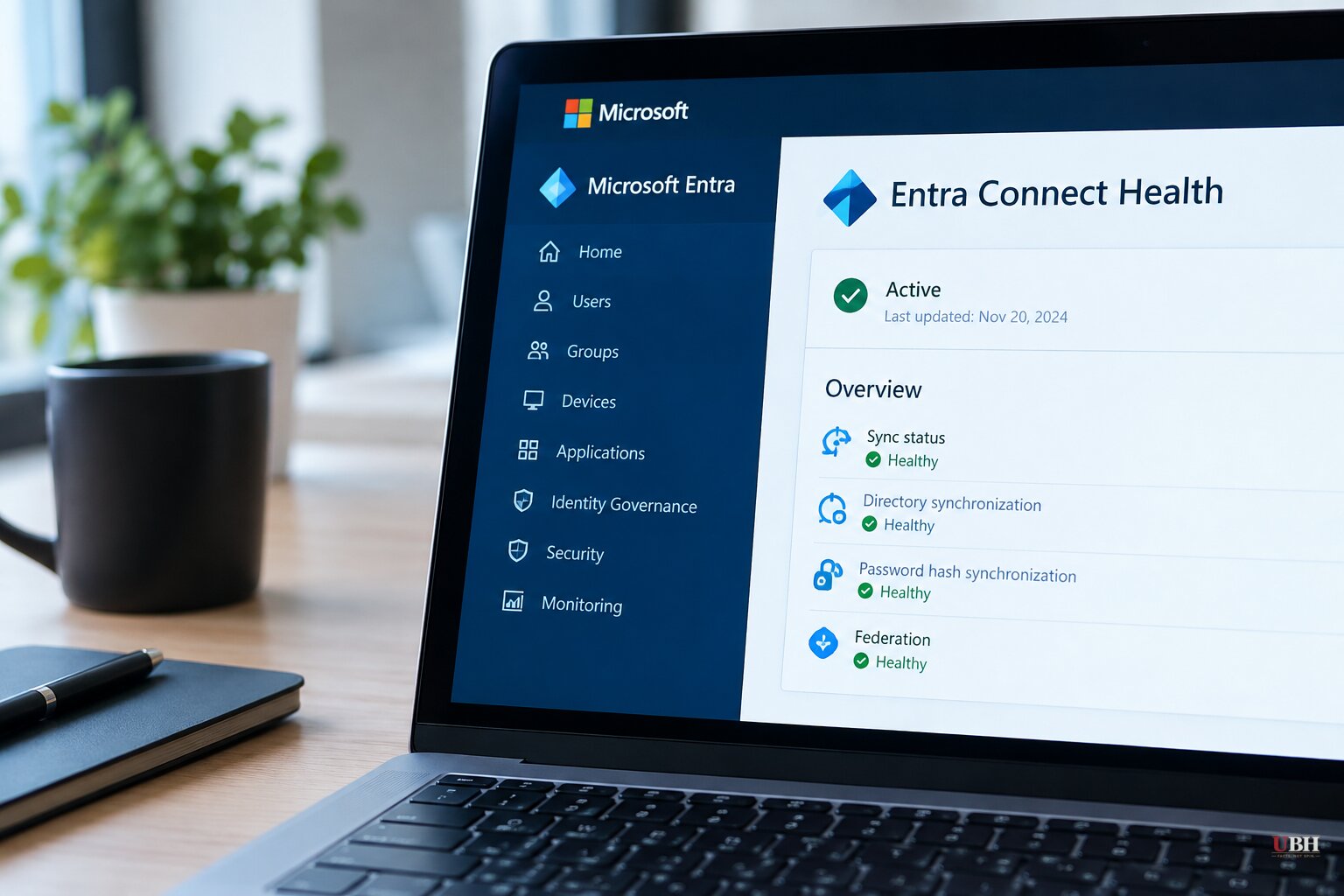
Microsoft has told customers that attackers exploited a vulnerability in its Entra Connect Health service and pulled administrator email addresses and tenant configuration data from affected organizations.
The company says the flaw sat in the Connect Health API. It was introduced on July 23, 2026, and Microsoft found it on November 9.
What Microsoft says happened
Entra Connect Health is a cloud service that lets administrators monitor the health and performance of their on-premises identity infrastructure through the Microsoft Entra admin center.
Microsoft deployed a server-side fix on November 19. It then reviewed telemetry for unauthorized API calls and wrapped up its investigation on November 20.
The notification sent to affected admins reads: "On 20 November 2026, we concluded our investigation and determined that unauthorized read-only access to tenant-level metadata associated with your organization had occurred. We did not identify any unauthorized configuration changes."
Microsoft said unauthorized parties could potentially have modified Connect Health monitoring configurations. It says it found no evidence that anyone did.
What was exposed
According to Microsoft's notification, the exposed data included:
- Email addresses for tenant technical contacts and administrator accounts
- Tenant IDs, tenant display names, initial domain names, regional information and country codes
- Entra license tiers, Connect Health onboarding status and directory synchronization status
- The timestamp of the last synchronization
- An expired certificate that was no longer in use but remained in Connect Health storage and was still returned by the API
Microsoft says the flaw did not expose user passwords, password hashes, authentication tokens, valid cryptographic keys, on-premises server and Active Directory topology details, or Azure subscription information.
What admins are being told to do
Microsoft says no software update or other remediation is required, since the fix was applied on its end.
It does expect follow-on trouble. The company recommends alerting security teams to targeted phishing and social-engineering attempts aimed at the exposed administrator emails and tenant details. A list of admin addresses tied to named tenants is exactly what a phishing crew wants.
Microsoft also advises organizations to:
- Require phishing-resistant multifactor authentication on privileged accounts
- Review their Connect Health configurations
- Examine Microsoft Entra audit and sign-in logs for suspicious activity
The company published a PowerShell script to show admins the types of tenant metadata that could have been exposed. The script displays current configuration values, not the data attackers actually accessed. It cannot tell an admin what was taken from their tenant.
How far this reaches
Microsoft has not disclosed how many organizations were affected. It has not said who exploited the flaw or when the attacks began.
More than a dozen administrators reported in a Reddit thread that they had received the notice. Some managed service providers said they got notices for multiple customer tenants, with one admin saying the emails arrived hours apart. On X, one user said he received the same email late Friday.
Microsoft confirmed to BleepingComputer that it had fixed the vulnerability and notified affected customers.
The timeline problem
Some security practitioners are unhappy about the gap between the bug's introduction and the notice. On X, a user posting as BlackRoomSec wrote, "Four months later is unacceptable especially when the client has reporting obligations themselves."
The dates support the four-month figure for how long the flaw existed: July 23 to the November 20 notice. They do not show how long attackers were in it. Microsoft has not said when exploitation started, so the exposure window for any given tenant is unknown.
Microsoft's own timeline shows a fix 10 days after discovery and notifications within a day of closing the investigation. Its position is that the exposure was limited to read-only metadata, that nothing was altered, and that customers have nothing to patch.
That last point cuts both ways. Customers can't patch anything, but they also can't independently verify what was accessed. For companies with their own breach-disclosure duties, a notice that says metadata was read but not which metadata or when leaves them to make their own legal calls.
The key unknown is scale. Until Microsoft says how many tenants were touched and when the first unauthorized call hit the API, admins are working from a notification and a script that shows today's settings, not yesterday's access.
Sources used for this briefing
5 links from 4 independent newsrooms (syndicated copies of the same report count once)
These are the sources it draws on, linked so you can verify.
More coverage: Microsoft


