
Microsoft

Microsoft coverage — Azure, Copilot, Windows, antitrust, and its AI investments — from a balanced set of sources.
36 articlesLast updated 2026-06-21 09:13 UTC

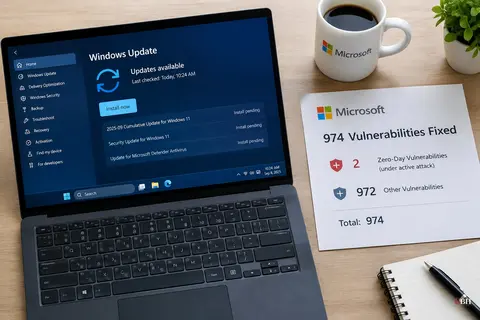
Three Microsoft Secure Boot Certificates Expire June 24. Windows and Linux Users Need to Act.

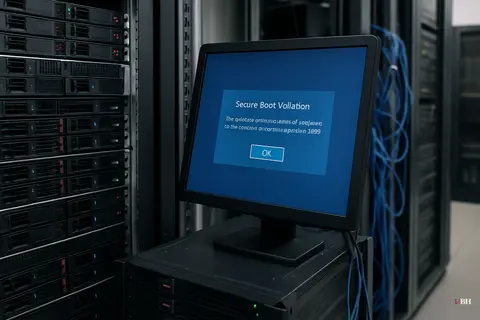
On June 24, 2026, three Microsoft-signed certificates that underpin Secure Boot will expire, leaving unpatched Windows and Linux systems exposed to firmware-level malware that loads before any antivirus software can run. This is a concrete, dated deadline. Users and IT administrators who have not applied relevant firmware and OS updates need to do so before Tuesday.

Microsoft Details How a Crypto Clipper Running Since February 2026 Spreads via USB and Hides Behind Tor

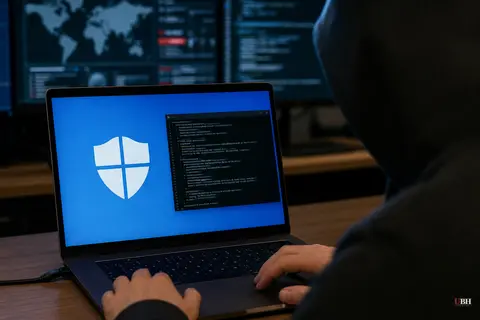
Microsoft's Defender Security Research Team has published a technical breakdown of a cryptocurrency-stealing malware campaign that has been active since February 2026. The malware spreads through booby-trapped USB drives, roots itself with scheduled tasks, and routes all communications through the Tor anonymity network, making its command infrastructure nearly impossible to locate. It doesn't just steal wallet addresses; it also functions as a persistent backdoor with remote code execution capability.

Windows Crypto Clipper Malware Has Spread via USB Drives Since February 2026, Microsoft Says

Microsoft's Defender Security Research Team has detailed a cryptocurrency-stealing malware campaign active since February 2026 that spreads through infected USB drives, hides behind the Tor network, and silently swaps crypto wallet addresses mid-transaction. The malware is technically sophisticated, running without a traditional installer and routing all command traffic through a hidden .onion server. Microsoft has identified it as Trojan:Win32/CryptoBandits.A and issued specific detection and mitigation guidance.

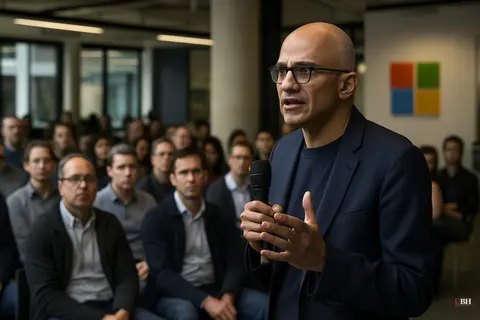
Microsoft CEO Nadella Warns AI Centralization Could Strip Industries of Competitive Value, Mirrors Globalization Damage

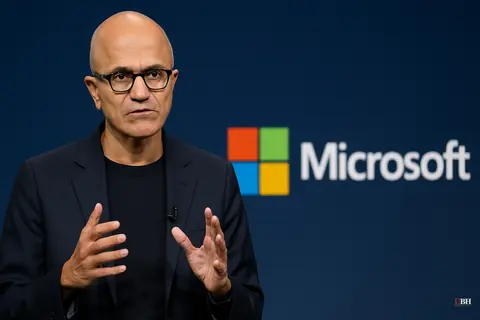
Microsoft CEO Satya Nadella published an essay on June 15, 2026, arguing that a handful of dominant AI models risk absorbing the expertise of entire industries and concentrating economic value in very few hands. He frames the threat as structural, not technological, and proposes that businesses must build proprietary learning loops to retain sovereignty. The warning is notable because Microsoft is both making that argument and simultaneously competing to be one of those dominant model providers.

Microsoft Shuts Down Ninja Theory, Puts Compulsion Games and Double Fine Into Spinoff Talks

Xbox confirmed the closure of Ninja Theory, the studio behind the Hellblade series, on June 15, 2026, while Compulsion Games and Double Fine are in active spinoff negotiations. The moves follow a public 'reset' memo from Xbox CEO Asha Sharma warning that the studio system had been overextended. The fate of Senua, a new Hellblade game Microsoft announced just over a week ago at its Xbox Games Showcase, is now uncertain.

Microsoft Open-Sources SkillOpt, a Framework That Optimizes AI Agent Instructions Without Retraining the Underlying Model

Microsoft Research has released SkillOpt, an MIT-licensed framework that treats plain markdown instruction files as trainable objects for AI agents, claiming up to 25% accuracy gains without touching model weights. The project has drawn significant developer interest since its June 2 PyPI release, accumulating 5,800 GitHub stars. Whether those benchmark numbers hold up in real enterprise deployments is the question that matters now.

GPT-5.5 Beats Claude Fable 5 on New Real-World Benchmark, Microsoft Blocks Fable 5 Internally Over Data Rules, and a $1,500 Foundation Model Threatens the Entire AI Cost Narrative

Since Claude Fable 5 launched on June 9, the model has already taken a competitive hit, a corporate access block, and a structural challenge — all within 24 hours. OpenAI's GPT-5.5 outscored Fable 5 on a new UC Berkeley benchmark designed to test real-world economic value, Microsoft restricted employee access to Fable 5 over data-retention requirements, and separate researchers published a foundation model trained for roughly $1,500 — a fraction of what the big labs spend. The story of AI supremacy this week is messier than the launch-day hype suggested.

Anthropic's Claude Fable 5 Blocks Basic Biology and Security Queries, While Microsoft Restricts Employee Access Over Data Retention

Since Anthropic released Claude Fable 5 on June 9, the real-world friction has mounted fast: the model refuses to explain mitochondria or mRNA vaccines, locks up on routine code-review requests, and triggered enough legal concern at Microsoft that the company has barred employees from using it internally. The safety guardrails are real, the tradeoffs are messy, and the gap between Anthropic's launch-day marketing and actual user experience is hard to ignore.

Microsoft's AI Chief Calls Anthropic's Consciousness Speculation 'Really, Really Dangerous' as Fable 5 Capability Demos Go Viral

Since Anthropic released Claude Fable 5 last week and closed its $35 billion financing deal, the company is facing a pointed public challenge from Microsoft AI CEO Mustafa Suleyman, who says Anthropic's own training document may have programmed Claude to act conscious. Meanwhile, real-world demos of Fable 5 are impressive — and the broader AI market is shifting toward cheaper models in ways that could hurt Anthropic's revenue right before an IPO.

Hackers Planted Password-Stealing Malware in Microsoft's Own Open Source Code on GitHub

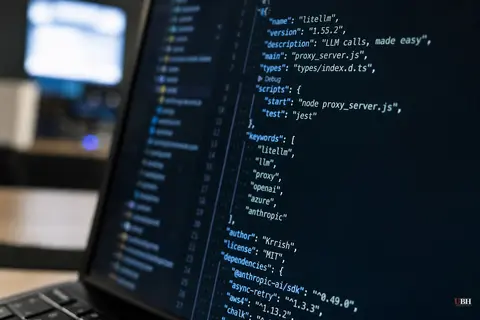
At least 70 Microsoft repositories on GitHub were compromised by hackers who injected credential-stealing malware targeting AI developers. Microsoft pulled the repos and confirmed notifying an unspecified number of affected customers. This is the second known breach of Microsoft infrastructure in recent weeks — and the company still won't say how many developers were hit.

Grid Overload Is Real: FERC, Microsoft, and the Commercial Real Estate Market Are All Responding to the Same Crisis at Once

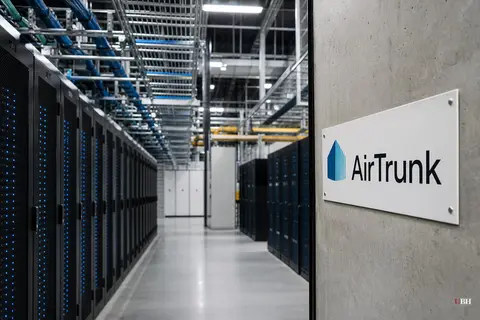
The U.S. power grid is buckling under AI and data center demand, and three major developments from the past week show the system scrambling to adapt. A federal regulator approved an emergency transmission workaround, Microsoft proposed a framework to protect ordinary ratepayers from tech's electricity bill, and commercial real estate is now being valued primarily on available power capacity. None of these things are coincidental.

Europe Is Actively Replacing American Tech — Microsoft, Google, Amazon Are All Losing Ground

Since Trump's second term accelerated European anxiety about U.S. tech dependence, governments and companies across the continent have moved from talk to action. This isn't a boycott — it's a structural shift. And American tech giants are only now starting to grasp how much revenue and leverage they stand to lose.

Microsoft's GitHub Copilot Price Hike Signals the End of Cheap AI — and the Industry Knows It

Microsoft just blew up its flat-rate GitHub Copilot pricing in favor of per-token charges, and the AI industry is quietly panicking. Companies like Uber already blew through their AI budgets faster than planned and started capping employee usage. The era of subsidized, all-you-can-eat AI is ending — and nobody knows what that does to valuations, IPOs, or the businesses built on the assumption that AI would stay cheap.

Microsoft's AI Chief Confirms Contractual Break from OpenAI — Now Building Its Own Path to Superintelligence

Since this outlet began tracking the fracturing Microsoft-OpenAI relationship, the clearest signal yet has arrived: Microsoft AI CEO Mustafa Suleyman confirmed a contractual change roughly six months ago that formally freed Microsoft to chase superintelligence on its own terms. The company backed that up with seven in-house AI models under the 'MAI' brand. This isn't a breakup — but it's the beginning of the end of total dependence.

Reid Hoffman Leaves Microsoft's Board to Focus on AI Drug Discovery Startup Manus

After a decade on Microsoft's board — during which the company made its landmark $1 billion OpenAI investment — Reid Hoffman is stepping down to put more time into Manus, his AI-powered drug discovery startup. This is a guy who's been at the center of nearly every major AI bet of the past decade. Now he's betting on cancer.

Microsoft Declared Independence from OpenAI Six Months Ago — Build 2026 Is the First Public Proof

Since our prior coverage of corporate AI budget chaos and the 'buy every model' strategy dying, Microsoft has moved to answer a direct question: what happens when its $13 billion OpenAI partnership isn't enough? At Build 2026 this week, Microsoft AI chief Mustafa Suleyman confirmed a contractual break that happened roughly six months ago — one that cleared the company to chase superintelligence on its own terms. Seven new in-house models and a crumbling developer reputation are the twin stories nobody is telling together.

Quantinuum Began Trading on Nasdaq Thursday as Microsoft Quietly Posts a Real Quantum Breakthrough

Since Quantinuum priced its IPO at $60 per share on June 3, the quantum computing sector has been riding a wave of investor hype — but the more important story is happening in the lab. Microsoft just demonstrated topological qubit stability jumping from 10 milliseconds to over 20 seconds, a 2,000x improvement that nobody in the financial press is talking about.

OpenAI, Anthropic, Google, and Microsoft CEOs Sign Joint Letter Asking Congress to Mandate Biosecurity Screening for Synthetic DNA

Since our prior coverage of OpenAI's Pentagon deal and Congressional scrutiny this week, the AI industry's biggest names have now moved onto a different battlefield: bioweapons. Sam Altman, Dario Amodei, Demis Hassabis, and Mustafa Suleyman signed a joint letter calling for mandatory screening of synthetic DNA and RNA orders — because AI tools can already help bad actors route around existing voluntary safeguards. This is the rare issue where the tech industry is actually asking for regulation, and the reason why should concern everyone.

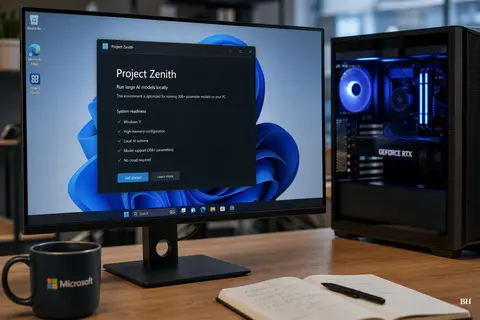
Microsoft Build 2026 Final Day: RTX Spark Dev Box, a Concept Android OS, and an AI Testing Tool Nobody Is Talking About

Since Build 2026 kicked off earlier this week, Microsoft has kept the announcements coming — and the final wave includes real hardware for developers, a speculative Android-based agent OS called Project Solara, and a practical open-source AI testing framework called ASSERT that deserves far more attention than it's getting.

Microsoft Build Isn't Over: OpenAI Fires Back With Codex Upgrade, New Claude Rival Cracks Under Testing, and a $40M Hardware Bet Emerges

While Microsoft dominated Build Day One headlines, OpenAI dropped a major Codex enterprise update aimed squarely at competing products. Meanwhile, independent testing of Anthropic's newly released Claude Opus 4.8 exposed a significant judgment failure — and a $275 million AI hardware startup backed by OpenAI's Sam Altman is about to launch a mystery audio product.

Microsoft Build Day Two: Scout AI Gets a Name and a VP, MXC Locks Down Agent Security, and a New Reasoning Model Enters the Race

Day two of Microsoft Build 2026 filled in the details behind Tuesday's announcements — and the details are where it gets complicated. Scout has a corporate VP and a cautionary tale about run-on email sentences. MXC is the security architecture that nobody's talking about but everybody needs. And Microsoft's first reasoning model, MAI-Thinking-1, just joined a race it's late to.

Microsoft Build Day One Delivers: Quantum Leap, Seven New AI Models, a Personal Assistant, and an Android-Based Agent OS

Microsoft's Build 2026 conference dropped a wave of concrete announcements on June 2nd — not just AI hype, but working hardware, new models, and developer tools. The biggest stories: a quantum chip with 1,000x better qubit stability, seven in-house AI models including a flagship reasoner, and an always-on personal assistant built on the viral OpenClaw framework. This is the most substantive Build in years, but a few things mainstream coverage is glossing over deserve a closer look.

Microsoft Build Kicks Off Tuesday With New AI Models, Developer Windows Overhaul — and an FTC Probe Looming Overhead

Microsoft's Build 2026 developer conference opens June 2 in San Francisco with Satya Nadella headlining promises of new AI models, a Copilot 'super app,' and a developer-optimized Windows 11 experience. But the real story isn't on the keynote stage — it's the Federal Trade Commission quietly building an antitrust case that could put Microsoft back in the legal hot seat for the first time in 25 years. Developers get shiny new tools; Microsoft gets a subpoena.

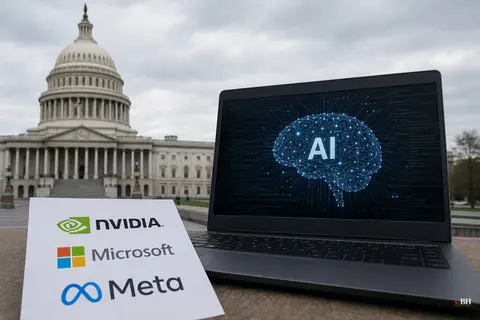
Nvidia's Vera CPU Lands Big-Name Buyers: OpenAI, Anthropic, Meta, and Microsoft Are Already In

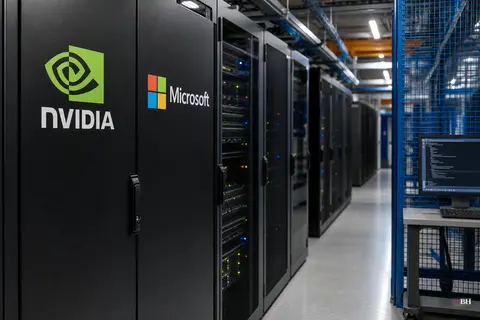
Since we covered the RTX Spark consumer chip, the bigger Nvidia story has been unfolding in the data center: the Vera CPU is racking up serious enterprise customers — including OpenAI, Anthropic, Meta, Alibaba Cloud, and Microsoft. This isn't just a laptop chip play. Nvidia is going after Intel's core business, and the early adoption numbers suggest it's working.

GitHub Copilot Dumps Flat Pricing for Token-Based Billing on June 1 — Some Developers Face Costs 60x Higher

Microsoft's GitHub is scrapping its flat-rate subscription model for Copilot and switching to usage-based billing tied to token consumption, effective June 1, 2026. Base plan prices stay the same on paper, but heavy users — especially those running agentic, multi-step coding sessions — are reporting projected cost increases of hundreds or thousands of percent. GitHub says the old model wasn't sustainable. Some developers agree. Others are canceling.

Nvidia and Microsoft to Unveil First Nvidia-Powered Windows PCs at Computex and Build Next Week

It's no longer a tease. Nvidia and Microsoft are set to debut the first Windows PCs running Nvidia's Arm-based chips as their main processors at Computex in Taiwan and Microsoft's Build conference in San Francisco during the week of June 1. Surface and Dell hardware are confirmed. This is Nvidia's first serious shot at owning your laptop — not just your data center.

Microsoft Threatens Security Researcher With Criminal Investigation After He Exposed Six Unpatched Windows Bugs

A researcher known as Nightmare Eclipse published six zero-day vulnerabilities in Microsoft products — including Windows Defender and BitLocker — without going through official channels first. Microsoft responded not by fixing the bugs faster, but by threatening legal action and a criminal referral. The cybersecurity community is calling Microsoft's bluff, and they have a point.

Nvidia, Microsoft, and Arm Are All Teasing Nvidia's N1X Arm Laptop Chips Ahead of Computex Keynote

Nvidia is about to crash the Windows on Arm party it helped build — and Qualcomm isn't going to like it. Microsoft, Nvidia, and Arm simultaneously posted 'A new era of PC' teasers pointing to Computex in Taipei, where Nvidia's Sunday night keynote is expected to unveil N1 and N1X laptop processors. This ends Qualcomm's effective monopoly on Windows Arm chips and could reshape the laptop market for real.

FBI Warns Hackers Are Bypassing Microsoft 365 Multi-Factor Authentication With New Phishing Tool Called Kali365

A phishing-as-a-service platform called Kali365 is letting cybercriminals hijack Microsoft Outlook, Teams, and OneDrive accounts without ever stealing your password. They're exploiting OAuth device codes — digital keys that grant app access — and your multi-factor authentication does NOTHING to stop it. The FBI issued a formal warning on May 21, 2026, and most people still haven't heard about it.

Trump Administration Cuts Pre-Deployment AI Testing Deals with Google, Microsoft, and xAI — But Critics Say the Framework Has a Fatal Flaw

The Commerce Department's Center for AI Standards and Innovation announced formal agreements Tuesday to evaluate AI models from Google DeepMind, Microsoft, and Elon Musk's xAI before public release. It's a real shift from an administration that spent 2025 tearing down Biden's AI safety rules. The catch: the reviews carry no enforcement power, and the labs being evaluated helped design the process.

UNESCO, Microsoft, and the NYT Are All Talking About AI Ethics — But None of Them Agree on What That Means

The AI ethics conversation is exploding — UNESCO has a global standard, Microsoft has a transparency report, and the New York Times is asking whether philosophy majors will save us. They're all pointing at the same problem from different angles, and the gap between the institutions setting the rules and the people actually affected is massive.

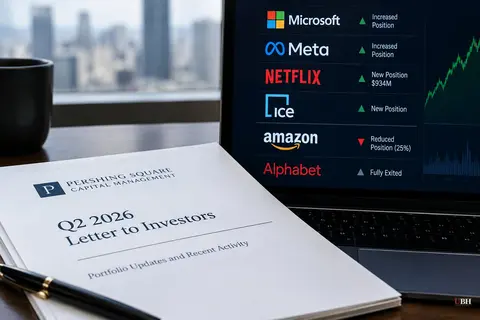
Q1 13F Season Closes: Tepper Nearly Doubles Amazon, Ackman Goes All-In on Microsoft, Sundheim Dumps Meta

The May 15 deadline for Q1 2026 SEC 13F filings is now passed, and the full picture is in. David Tepper's Appaloosa made Amazon his single largest holding at ~$900M, Bill Ackman opened a brand-new Microsoft position worth $2.09B, and Daniel Sundheim's D1 Capital wiped out $240M in Meta completely. The smart money is consolidating around AI infrastructure — and abandoning social media.

Same Researcher Who Broke Linux Twice Just Published Working Exploits That Bypass Windows BitLocker — Microsoft Has No Fix

The researcher behind two recent Linux privilege escalation zero-days just dropped two more: a working BitLocker bypass called YellowKey and a Windows privilege escalation flaw called GreenPlasma. Both are unpatched. Both have public proof-of-concept code. And the researcher says TPM+PIN doesn't stop it — they're just not publishing that version yet.

Nadella Testified He Feared Microsoft Becoming 'the Next IBM' — And Called OpenAI's Leadership Crisis 'Amateur City'

New trial testimony from Microsoft CEO Satya Nadella reveals he was privately alarmed about OpenAI dependency as far back as April 2022 — seven months before ChatGPT launched. He called the November 2023 Altman ousting 'amateur city.' These are the on-the-record quotes mainstream coverage buried in the deal structure story.

While Musk v. Altman Plays Out in Court, Microsoft Quietly Rewrote Its OpenAI Deal — And Walked Away the Winner

Microsoft CEO Satya Nadella took the stand this week, called the whole OpenAI board drama 'amateur city,' and acted like he had somewhere better to be. He might be right — because while everyone watched the courtroom theater, Microsoft already locked in a restructured deal with OpenAI on April 27 that gives it more flexibility, less financial obligation, and a license to OpenAI's IP through 2032.

Satya Nadella Testifies He Never Heard a Word From Musk About Microsoft's OpenAI Deals

Microsoft CEO Satya Nadella wrapped up his testimony in the Musk v. Altman trial Monday, dropping a simple but damaging fact: Elon Musk, who now claims Microsoft helped 'steal' a charity, never once called him to raise concerns. Nadella defended the $13 billion investment as a commercial bet, not a charitable donation. That distinction matters — a lot.