
Unbiased headlines. Facts, not spin.
Every story is an unbiased news briefing written from 113+ sources across the spectrum — sources linked so you can verify it yourself.
 politics
Major Story (8/10)
October 2, 2026 at 11:32 PM
politics
Major Story (8/10)
October 2, 2026 at 11:32 PM
Miami Federal Judge Rules Noncitizen Voting Ban Unconstitutional, Tosses Case Against Jamaican Woman
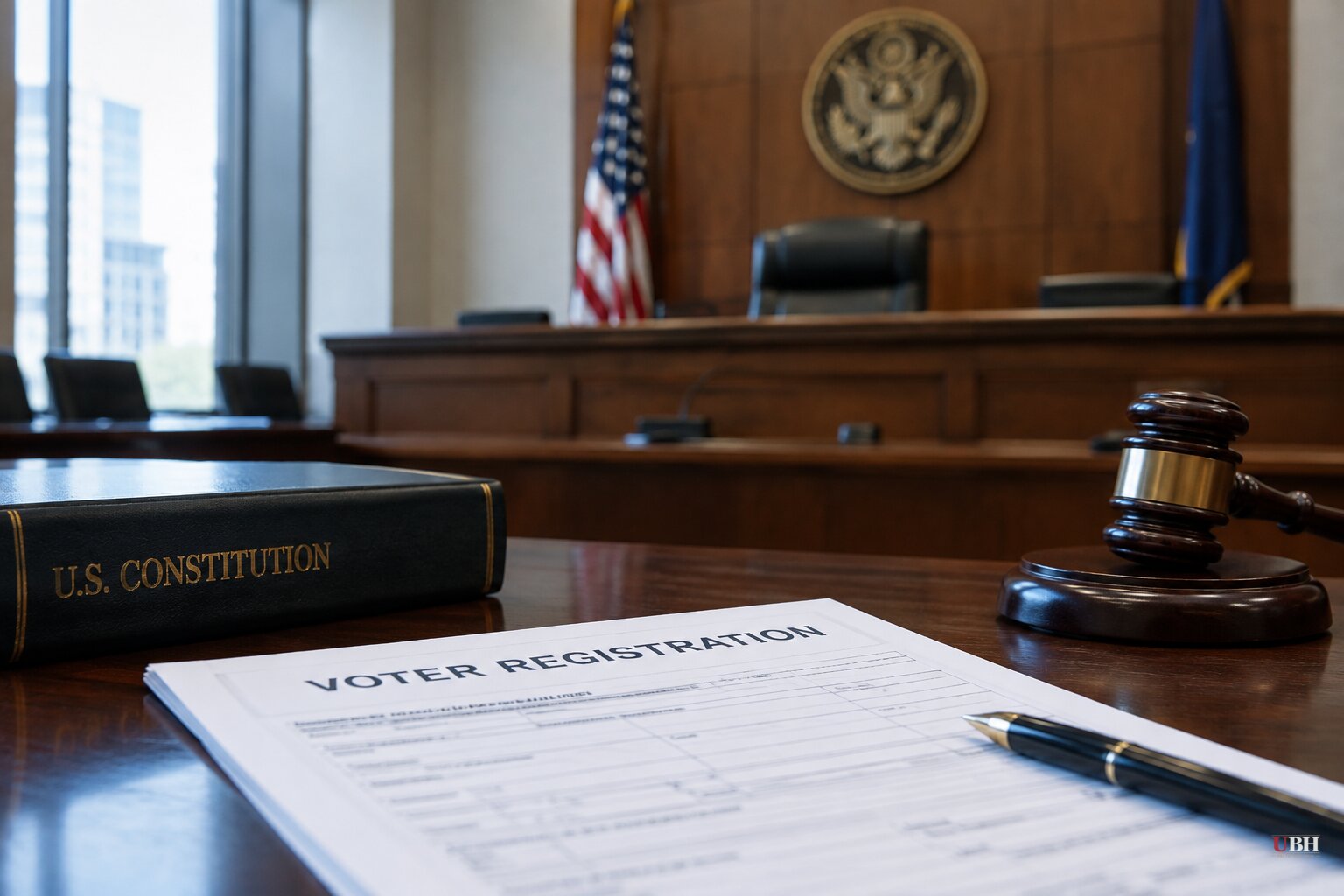
A federal judge in Miami tossed a criminal case Thursday against a Jamaican national accused of voting illegally, ruling that the decades-old federal law she was charged under is unconstitutional.
U.S. District Judge David S. Leibowitz, appointed by President Biden in 2024, dismissed the misdemeanor charge against Chelsea Michelle Ann Cox in a 31-page opinion. Cox was charged in October 2025 for allegedly voting in Broward County, Florida, in the 2020 election while lacking U.S. citizenship.
The law at issue, 18 U.S.C. § 611, was passed by a Republican Congress in 1996 and signed by President Bill Clinton. It makes it a misdemeanor, punishable by up to a year in prison and fines, for a noncitizen to vote in a federal election.
Leibowitz ruled that Congress had no authority to pass it in the first place. He pointed to Article I, Article II and the 17th Amendment, which he said reserve the power to set voter qualifications for states alone. Congress can regulate the "times, places, and manner" of federal elections, he wrote, but that power does not extend to deciding who belongs in the electorate.
"Congress has no power to say who can vote or who cannot vote in federal elections — that foundational power is reserved for the States," Leibowitz wrote, according to Florida Politics. "When you're prosecuted based on a law that Congress did not have the authority to pass, the prosecution cannot stand."
He also dismissed the Justice Department's main legal defense of the statute, calling the single Supreme Court precedent prosecutors leaned on "very, very weak," according to CBS News.
What the Ruling Does and Doesn't Do
The decision applies only to Cox's case. It does not strike down 18 U.S.C. § 611 nationwide, and it isn't binding on other judges. According to a Reuters report carried by Al Jazeera, roughly 45 similar federal cases are pending nationally, with at least four other defendants already raising the same constitutional challenge.
Reuters also reported that prosecutors have brought about 60 noncitizen-voting charges since President Trump returned to office in January 2025, as part of a broader push he has framed as an election-integrity priority ahead of November's midterms. A separate Reuters analysis published in July found Cox was one of just 129 people charged under the law total, a number critics cite to argue the practice is rare. Supporters of stricter enforcement, including backers of the pending SAVE Act in Congress, argue any confirmed instance of noncitizen voting undermines public trust regardless of how often it occurs.
Prosecutors allege Cox entered the U.S. on a tourist visa in 1999, overstayed it for more than two decades, and later used a fraudulent U.S. Virgin Islands birth certificate to obtain a Florida driver's license and register to vote in 2012. They say she voted in 2012, 2016, 2018 and 2020, but only the 2020 vote fell within the statute of limitations for charging her.
Leibowitz never ruled on whether Cox actually voted illegally. His decision rested entirely on whether Congress had the power to criminalize the act at the federal level.
Reaction and What Comes Next
The Justice Department moved to appeal shortly after the ruling. A DOJ spokeswoman told The Epoch Times, "We deeply disagree with the ruling and are evaluating our potential options including appeal."
DHS General Counsel James Percival criticized the decision on X, writing, "A Biden appointed judge in Florida says that federal bans on noncitizen voting are unconstitutional. The thing that never happens is now constitutionally protected activity!" That line reflects the administration's broader argument: federal immigration authority and a 1970 Supreme Court case upholding Congress's power to lower the voting age to 18 show Congress has long had a hand in federal election rules, a position DOJ raised in its defense of the statute.
Cox's attorney, Bruce Udolf, said his client is "gratified" by the ruling and called it "a huge relief." He said Cox recently underwent a medical procedure and that he's now working with the government to determine next steps, including whether the administration moves to deport her.
Leibowitz left a door open for Washington. He noted Florida already requires citizenship to vote and can prosecute Cox under state law instead. He also suggested a federal statute written differently, one keyed to each state's own citizenship requirement rather than imposing a separate federal standard, might survive constitutional scrutiny.
The next concrete marker is the Justice Department's appeal, which will test whether Leibowitz's reasoning holds up and whether it influences the roughly 45 other pending cases nationwide watching the outcome.
Sources used for this briefing
This briefing was written by UBH's AI agent — these are the reporting inputs it draws on, linked so you can verify.


