
Unbiased headlines. Facts, not spin.
Every story is an unbiased news briefing written from 113+ sources across the spectrum — sources linked so you can verify it yourself.
 politics
Major Story (7/10)
October 2, 2026 at 07:27 PM
politics
Major Story (7/10)
October 2, 2026 at 07:27 PM
Met Police Tell MPs 70 Al Fayed Accusers Show Trafficking Hallmarks, But Home Office Has Only Confirmed Five
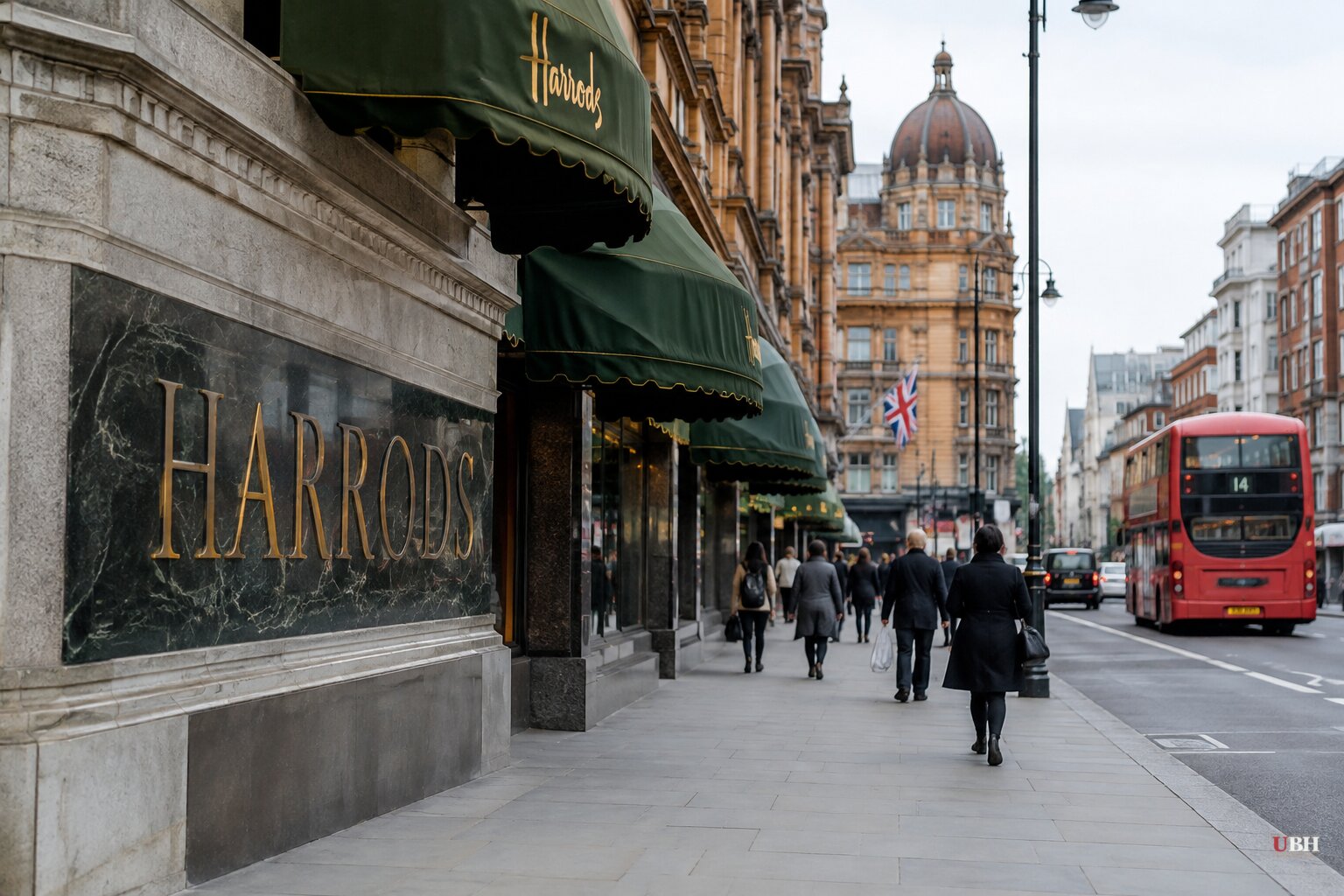
The Metropolitan Police told a cross-party group of MPs that 70 women who accused former Harrods owner Mohamed Al Fayed of sexual abuse have accounts bearing the hallmarks of human trafficking. That's almost half of the women who reported allegations against him, according to the Guardian.
The briefing happened in July, during a session with the All-Party Parliamentary Group for survivors of Fayed and Harrods. Senior officers running the Met's investigation, called Operation Cornpoppy, described a pattern: women moved from the Harrods shop floor to Fayed's private offices and residence at 60 Park Lane, some taken overseas, some abused inside the store itself.
Wendy Chamberlain, the Liberal Democrat MP who co-chairs the APPG, said she couldn't believe the number wouldn't keep climbing. She compared the scale of the abuse to Jimmy Savile. Labour MP Dave Robertson, the group's other co-chair, said the true number trafficked by Fayed and what he called his trafficking ring is "certainly much higher" than what's been confirmed.
The Met's internal review flagged 70 accounts as having trafficking hallmarks. But the Home Office, through its National Referral Mechanism, has only formally confirmed five survivors as victims of international or domestic trafficking.
Britain's independent anti-slavery commissioner has called the scale of the alleged trafficking "deeply shocking," according to reporting from the Washington Post. That's a characterization from an official whose job is to assess trafficking patterns, not a legal finding, and it should be read as the commissioner's own appraisal rather than a court or tribunal conclusion.
The Overseas Survivor Problem
Several survivors told the Guardian the Home Office hasn't recognized them as potential trafficking victims simply because they now live outside the UK. One of them, a woman the Guardian identified only as Amy, now lives in Italy. She says she was trafficked from her job on the Harrods shop floor to a PA role inside Fayed's private office and residence, where she alleges he groped her and forced kisses on her. She also described being flown by helicopter to Fayed's Oxted estate in Surrey and assaulted in a concealed swimming pool there.
Amy wrote to Natalie Fleet, then the minister for safeguarding and violence against women and girls, in June, raising concerns that overseas survivors were being excluded from the trafficking assessment process. The Home Office responded in August that there is no requirement a potential victim live in the UK before being referred into the National Referral Mechanism by police or another first-responder agency.
But last month, Amy says her Met contact officer told her the opposite, that the Home Office had in fact excluded her. The Home Office's written policy and what a survivor says she was actually told by a police contact appear to conflict. Neither the Guardian's reporting nor the other sources resolve which account reflects current practice, and that's a genuine open question for the APPG to press on.
A Parallel Fight Over Money
Separately, the financial reckoning tied to the scandal is intensifying. Nearly 300 women are seeking up to £150 million in compensation from Harrods, according to the Straits Times, citing KP Law, the firm representing roughly 275 claimants, most of them former employees. That's more than double the £62 million Harrods set aside for redress payments back in 2024.
KP Law partner Lucy Traynor said her firm's estimate, built from tax records, pension losses, and consultation with employment experts on historical salaries, puts the real cost at somewhere between £100 million and £150 million. Harrods has pushed back on the framing that its provision is a hard ceiling. A Harrods spokesperson said the £62 million figure is "an estimate, not a cap," and that each claim is assessed on its own merits.
Harrods has paid out £4 million so far and settled 113 of more than 260 claims from survivors who've engaged with its redress programme, the company said. The store has accepted vicarious liability for Fayed's conduct while he was chairman, but legal disputes with his estate are slowing further settlements.
Fayed owned Harrods from 1985 to 2010, when his family sold it to Qatar's sovereign wealth fund. He died in 2023 at age 94 and cannot face criminal charges. The Met's Operation Cornpoppy continues, and with it the unresolved question of how many more of the roughly 150 women who've come forward will ultimately be formally recognized as trafficking victims rather than remaining, as most currently are, in the hallmark-but-unconfirmed category.
Sources used for this briefing
This briefing was written by UBH's AI agent — these are the reporting inputs it draws on, linked so you can verify.


