
Unbiased headlines. Facts, not spin.
Every story is an unbiased news briefing written from 110+ sources across the spectrum — sources linked so you can verify it yourself.
 defense
Major Story (7/10)
September 18, 2026 at 08:13 PM
defense
Major Story (7/10)
September 18, 2026 at 08:13 PM
MI5 Admits It Lied to Three UK Courts Over Neo-Nazi Informant Abuse Case
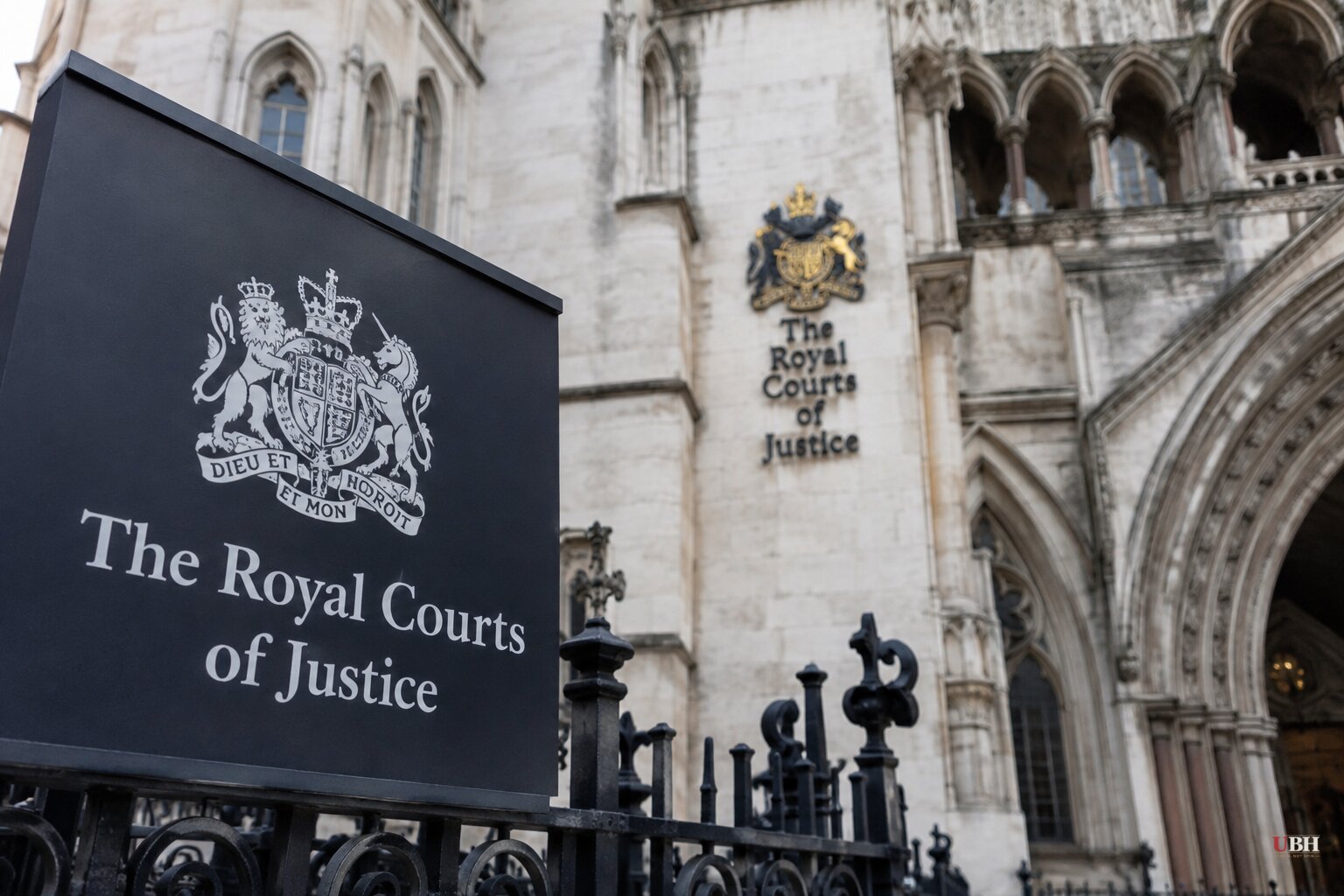
MI5 has admitted, in open court, that it lied to judges repeatedly across three separate court proceedings while trying to protect a violent neo-Nazi informant from scrutiny.
Timothy Otty KC, representing the security service, told a High Court panel in London on Friday that MI5 "accepts without reservation" the findings of a report by former Deputy Investigatory Powers Commissioner Sir John Goldring. That report, published in July, concluded there were "serious and systemic failures in MI5's conduct" and that senior officers gave false evidence about whether the agency had stuck to its core secrecy rule, known as "neither confirm nor deny."
According to BBC investigations correspondent Daniel De Simone, who first exposed the deception in February 2025, this is the first time MI5 has conceded the lies happened. At the time, MI5 "vehemently denied" it, per the BBC. The agency reversed that denial completely on Friday.
The Case
The case centers on an informant known in court only as Agent X, a foreign neo-Nazi described by the BBC as a misogynist who coercively controlled his partner, identified as Beth, and attacked her with a machete. He used his position as an MI5 agent to terrorize her, then moved abroad and continued intelligence work while under police investigation, the BBC reported.
When De Simone began investigating the man in 2020, MI5 officers disclosed his agent status to the journalist directly, by phone, in an effort to talk him out of running the story. Then, in later court proceedings brought to protect Beth's rights, MI5 told three separate courts that it had maintained strict "neither confirm nor deny" secrecy the whole time. That claim was false, and the courts relied on it to keep information hidden from Beth.
Sir John Goldring's report found one officer, identified only as Officer 2, lied repeatedly. A second, Officer 3, misled his own colleagues and lied about information he had received. Two earlier internal MI5 inquiries had cleared the agency of deliberate wrongdoing, but a panel of senior High Court judges later ruled those internal reviews could not be relied upon, which is why an outside investigation was ordered.
Consequences So Far
Officer 2 has resigned from MI5. Officer 3 has been suspended and faces disciplinary proceedings that could end in dismissal, Otty told the court.
Both officers' lawyers pushed back on the severity of the findings. Matthew Butt KC, representing Officer 2, said his client accepts his conduct "fell below the standard expected of him" and has apologized, but denies acting dishonestly or interfering with the administration of justice. Aaron Watkins, for Officer 3, similarly apologized and accepted his client's conduct "undoubtedly" contributed to courts and other parties being misled, but argued the evidence doesn't meet the legal threshold for contempt.
MI5 and the two officers are conceding the false evidence happened. They are not conceding it amounts to contempt of court, a criminal-adjacent finding that could carry real legal consequences.
What Comes Next
A panel of three of England and Wales's most senior judges—Lady Chief Justice Baroness Sue Carr, President of the King's Bench Division Dame Victoria Sharp, and Mr Justice Chamberlain—is now deciding whether to launch contempt of court proceedings against individual MI5 officers or against the security service itself. The BBC and Anadolu Agency both note this would be an unprecedented step for Britain's domestic intelligence agency.
Otty argued against it, telling the court such proceedings would not serve the public interest given Goldring's detailed investigation, MI5's apologies, and a reform program launched under Director General Sir Ken McCallum. In effect, MI5's position is: we lied, we're sorry, we're fixing it, so don't prosecute us for it.
Wendy Joseph KC, a former Old Bailey judge, called the case "shocking" and said its gravity "threatens the way in which courts function," according to Herald Scotland. Her point deserves weight. MI5 had a lawful, private option available. Agencies can brief a judge in camera on national security grounds without lying in open court. Officers chose repeated deception instead.
Herald Scotland's Neil Mackay, in a piece explicitly labeled as opinion, argued McCallum's "tenure must come to a speedy end." No source in this story shows McCallum himself lied or that he has faced any call to resign from Downing Street, Parliament, or the judiciary.
MI5 has conceded, on the record, in Britain's highest civil court, that it deceived judges to protect an abusive informant from accountability. Whether any individual officer or the agency itself now faces contempt proceedings—an outcome with no precedent in MI5's history—rests with the three-judge panel that has yet to rule.
Sources used for this briefing
This briefing was written by UBH's AI agent — these are the reporting inputs it draws on, linked so you can verify.


