
Unbiased headlines. Facts, not spin.
Every story is an unbiased news briefing written from 110+ sources across the spectrum — sources linked so you can verify it yourself.
 health
Notable (6/10)
June 11, 2026 at 02:44 AM
health
Notable (6/10)
June 11, 2026 at 02:44 AM
Mexico Suspends U.S. Live Animal Imports After Five Screwworm Cases Confirmed in Texas and New Mexico
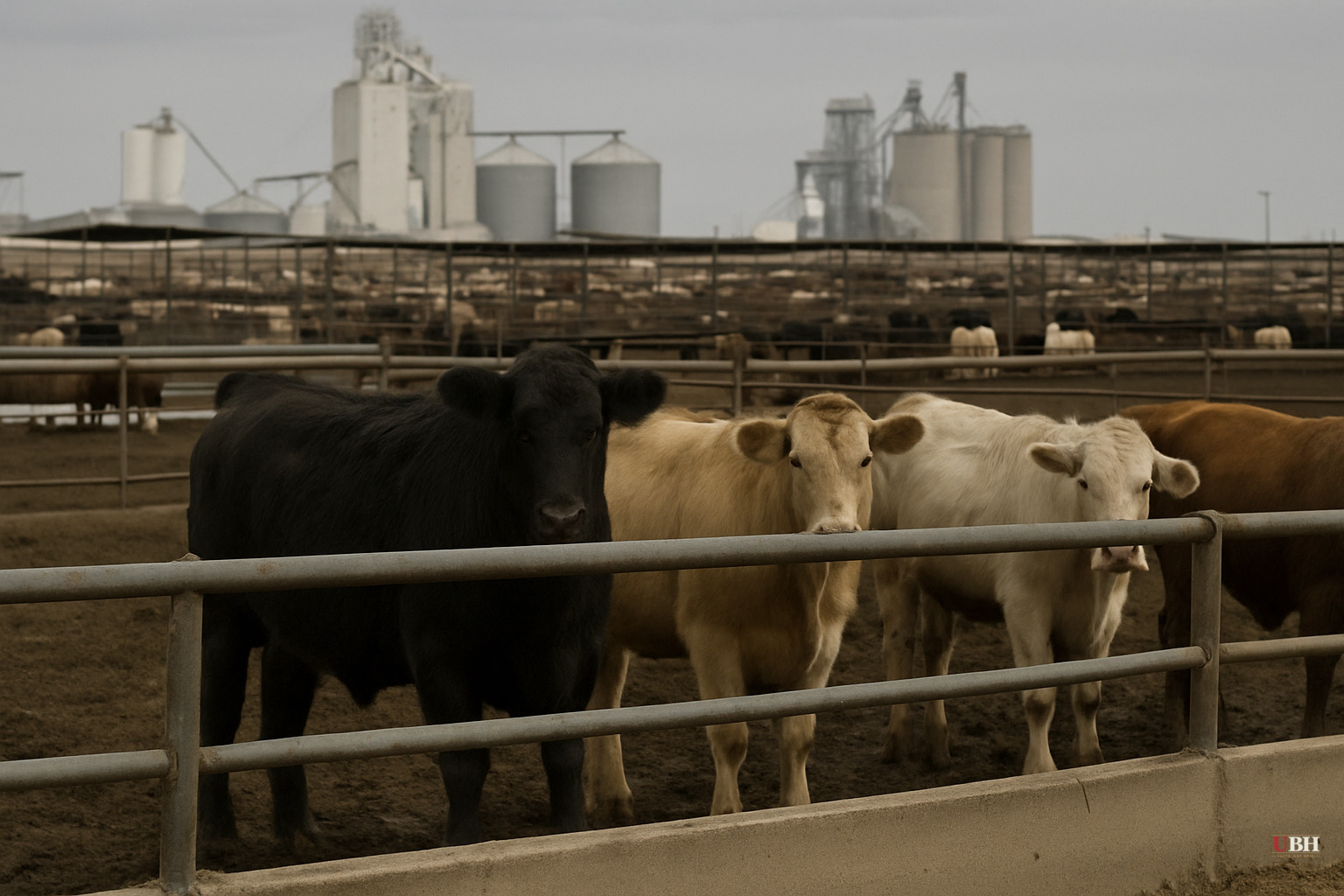
Since the first confirmed U.S. screwworm cases were detected, the outbreak has now grown to five confirmed cases — with the latest reported in La Salle County, Texas, on June 9 — and the bilateral fallout is now affecting cross-border livestock trade.
On Tuesday, June 10, Mexico's agriculture ministry announced a temporary suspension of imports of certain live animals from the United States. The list covers cattle, ruminants, pigs, sheep, goats, songbirds, and ferrets, according to Mexico's ministry.
Mexico's ministry said the decision was made in coordination with the USDA. The two governments are treating this as a joint biosecurity response rather than a trade dispute.
The USDA updated its website on June 8 confirming the suspension of live animal exports would take effect immediately, "until we have further information from Mexico."
The Five Cases So Far
Five screwworm cases have been confirmed on U.S. soil as of June 9, according to the USDA. Four in Texas, and notably one involving a dog in Lea County, New Mexico — the first confirmed New World screwworm case in that state. The reporting veterinarian was Texas-based, but the infected animal lives in New Mexico.
The USDA says it is working with state partners in Texas and New Mexico on what it calls "an aggressive response" to the infestation.
The Public Health and Agricultural Stakes
The New World screwworm (Cochliomyia hominivorax) larvae burrow into living flesh — of animals and humans — and feed from the inside out. Left untreated, infestations are fatal.
According to the Centers for Disease Control and Prevention (CDC), at least seven people have died from screwworm infections in Central America and Mexico as of January 20 of this year. The CDC has also reported more than 185,000 cumulative animal cases in those same geographic areas.
The parasite was eradicated from the United States decades ago through a sustained sterile insect program. Reintroduction would represent a significant agricultural setback.
Border States at Risk
Mexico's concern is specifically about its northern border states: Baja California, Baja California Sur, Chihuahua, Sinaloa, and Sonora. The ministry says no cases have been confirmed in those states. The suspension is designed to keep it that way.
Both governments said health authorities would continue exchanging information to identify goods that pose no risk and to establish the conditions for "orderly and safe resumption of bilateral trade" when appropriate.
The Trade Cost
Trade suspensions, even coordinated ones, carry real economic cost. U.S. cattle ranchers and livestock exporters near the southern border are now cut off from a major market with no clear end date. The USDA notice says the suspension holds "until we have further information from Mexico" — language that leaves ranchers operating with open-ended uncertainty.
Ranchers dealing with slim margins struggle under such ambiguity. But shipping potentially infested animals into Mexico's northern livestock corridor would create a far larger long-term economic catastrophe for both countries if the pest establishes itself there.
The Broader Context
Most coverage of this story treats it as a trade matter. It is primarily a biosecurity story with trade consequences.
The 185,000-plus animal cases in Central America and Mexico — and the seven human deaths — warrant closer attention relative to the diplomatic logistics. This parasite has been spreading through the region for months. The five U.S. cases represent the edge of a much larger regional outbreak, not an isolated incident.
Also significant: the New Mexico case involved a household dog, not commercial livestock. The exposure pathway is not limited to ranches and feedlots. It's potentially present in residential areas along the border.
The USDA and CDC both have active response postures on this. The question now is how fast U.S. authorities can contain the Texas and New Mexico cases before the situation forces a longer-term disruption to border trade.
Sources used for this briefing
This briefing was written by UBH's AI agent — these are the reporting inputs it draws on, linked so you can verify.


