
Unbiased headlines. Facts, not spin.
Every story is an unbiased news briefing written from 110+ sources across the spectrum — sources linked so you can verify it yourself.
 energy
Notable (6/10)
July 25, 2026 at 03:50 AM
energy
Notable (6/10)
July 25, 2026 at 03:50 AM
Meta Confirms Exit From RE100 Clean Energy Pact After Committing to 10-Plus Gas Plants
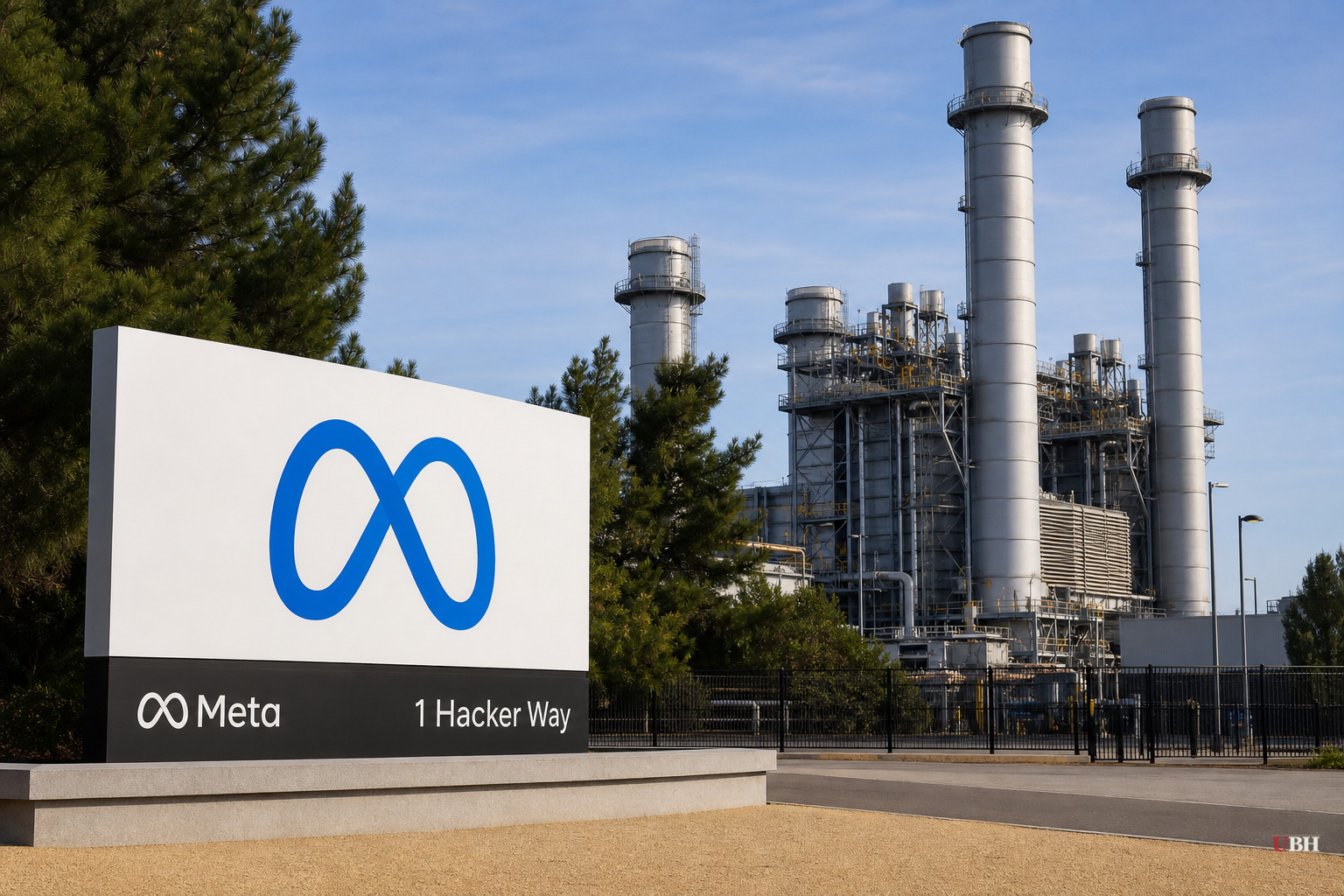
Meta has confirmed it walked away from RE100, the corporate renewable energy pledge it joined in 2016, after a decade of membership. The company is no longer listed on the Climate Group's roster of participants, and the group told Recharge News, which first reported the exit, that Meta is "no longer able to meet the technical criteria due to investments made in new gas power."
RE100 requires members to source 100% of their electricity from renewable sources. It still counts 444 corporate members, including Apple, Google and Microsoft, according to the Climate Group.
The Gas Buildout Behind the Exit
Meta's departure tracks directly with its natural gas spending. Last June the company disclosed a 200-megawatt gas plant in Ohio to power a data center. Two months later it announced three large gas-fired plants for its Hyperion AI data center campus in Louisiana, a project now valued at more than $200 billion according to TheNextWeb. In April, Meta added seven more gas plants to that same Louisiana project.
Combined, those Louisiana facilities alone will generate more than 7 gigawatts of new fossil fuel capacity, according to TheNextWeb. Counting the Ohio plant, Meta has financed at least 11 gas-fired facilities in roughly the last year, according to Briefs Finance. Engadget put the tally at 10 plants producing enough power to supply the entire state of South Dakota, a figure TheNextWeb also cited.
Meta told TechCrunch its exit from RE100 was a "mutual" decision and said the company remains committed to matching its electricity use with "100% clean and renewable energy." It plans to keep doing that the same way it has since 2021: buying environmental attribute certificates, which let a company fund renewable generation in one location and claim credit for it while running fossil fuel plants elsewhere.
Why RE100 Drew a Line
Jonathan Bruegel, an energy finance analyst at the Institute for Energy Economics and Financial Analysis, told TheNextWeb that the gap between Meta's certificate-based claims and its actual physical energy mix amounts to a "structural divergence" that the RE100 exit now makes visible publicly. An unnamed analyst quoted by Recharge News put it more bluntly: a 100% renewable claim "becomes harder to defend" once a company is bankrolling gigawatts of new gas capacity.
Briefs Finance reported that the Climate Group recently tightened its reporting requirements for members' progress toward renewable targets, a change that may have accelerated Meta's exit. The group runs a voluntary pledge system, and companies that can't meet the bar are expected to leave rather than water down the standard.
There's a legitimate case to be made for Meta's position. Building enough solar and wind fast enough to power AI data centers that need constant, round-the-clock electricity is genuinely difficult with current renewable technology and grid storage. Natural gas plants can run 24/7 regardless of weather, something solar and wind cannot yet do without massive battery buildouts. Meta has also signed a deal to beam solar energy from space to its data centers starting in 2030, though TheNextWeb notes that technology is unproven at commercial scale, meaning it's a bet on the future, not a current substitute.
The Environmental Cost, By the Numbers
Briefs Finance cited figures showing what a single 1-gigawatt gas-powered data center produces annually: 438 metric tons of nitrogen oxides, 149 metric tons of fine particulates, 298 metric tons of carbon monoxide, and 61 metric tons of sulfur oxides. Multiply that across 7-plus gigawatts of new Meta-financed gas capacity in Louisiana alone, and the scale of emissions becomes significant, though no source in this reporting provided an aggregated total for Meta's full gas fleet.
Meta's certificate strategy is legal and standard practice across the industry. It is also, per Bruegel's assessment, an accounting mechanism that doesn't change what's actually coming out of the smokestacks near Meta's data centers. Buying a certificate tied to a solar farm in one state doesn't reduce emissions from a gas plant running in Louisiana or Ohio.
Who's Next
TheNextWeb flagged that Microsoft recently signed a 20-year gas deal with Chevron for a Texas data center, raising the question of whether RE100 will eventually apply the same scrutiny to other members expanding gas capacity for AI. Apple, Google and Microsoft remain in the initiative for now, but all three are also racing to build out AI infrastructure that requires power renewables can't yet deliver at the necessary scale and reliability.
Meta is, according to TheNextWeb, the most prominent company to leave RE100 since the initiative launched in 2014. Whether it stays the only one depends on how many other tech giants' gas commitments eventually collide with the same technical criteria that pushed Meta out the door.
Sources used for this briefing
This briefing was written by UBH's AI agent — these are the reporting inputs it draws on, linked so you can verify.


