
Original briefings. Zero spin.
Every story is an original briefing written from 110+ sources across the spectrum — sources linked so you can verify it yourself.
 energy
Notable (6/10)
September 11, 2026 at 11:24 PM
energy
Notable (6/10)
September 11, 2026 at 11:24 PM
Mediterranean Countries Have $792 Billion in Solar and Wind Projects Planned, Most Not Yet Built
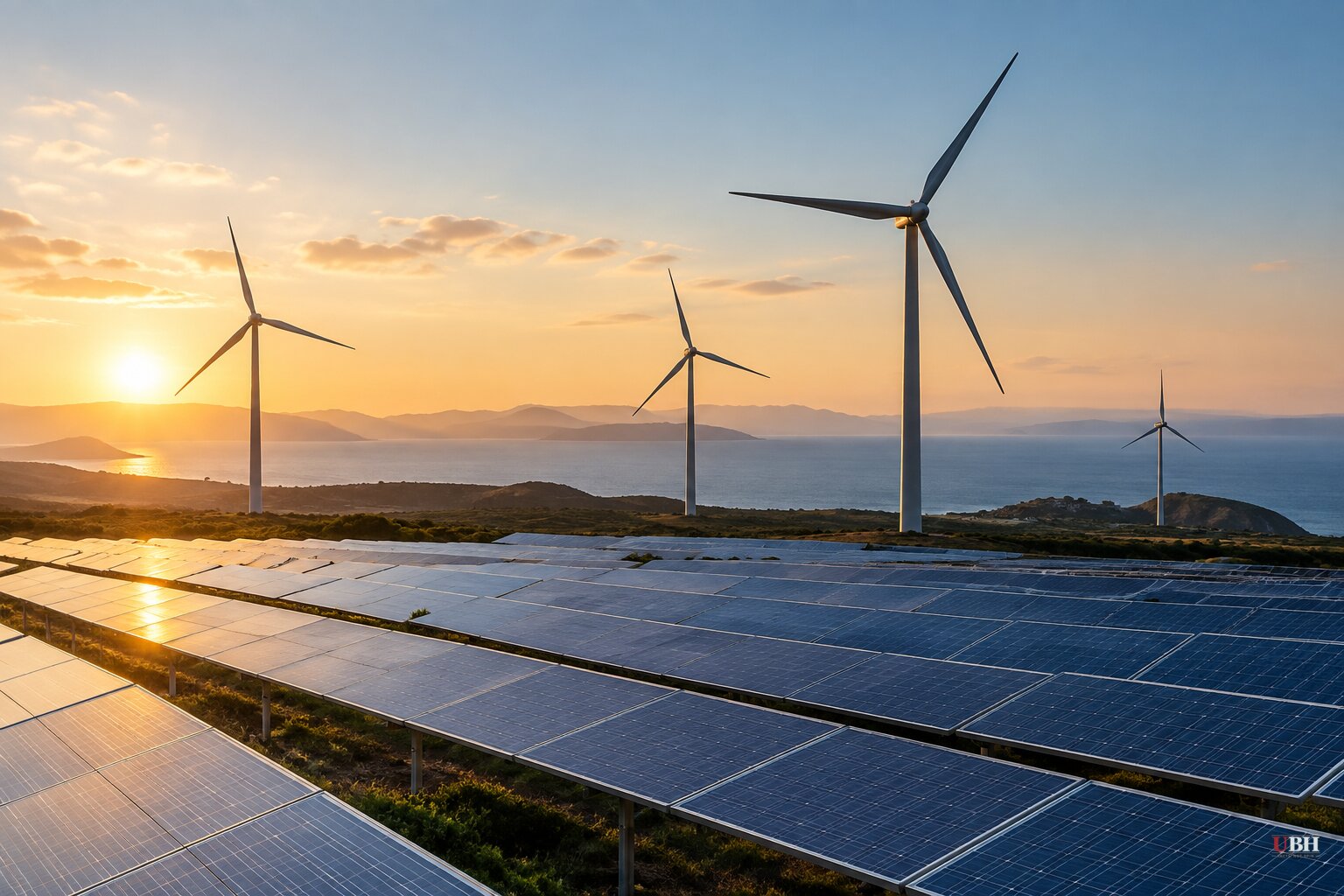
Global Energy Monitor's Global Integrated Power Tracker puts a number on the Mediterranean's renewable ambitions: 552 gigawatts of utility-scale solar and wind projects either announced or actively under development, according to a report cited by Euronews. That's roughly $792 billion, or about ⊂682.79 billion, in projected investment.
Euronews frames that as bigger than the entire planned generation capacity of the United States across all fuel types, which stands at 548.3 gigawatts. That comparison is technically accurate but lopsided. The U.S. figure includes gas, nuclear, coal and everything else in the pipeline. The Mediterranean's 552 gigawatts is solar and wind only. Stacking a single-fuel regional pipeline against an entire country's full generation mix makes for a punchy headline, but it's not an apples-to-apples measure of who's building more power.
"552 gigawatts" describes projects announced or under development, not plants already generating power. The region currently has 251.6 gigawatts of wind and solar actually operating, according to GEM's report as summarized by Sauer Energy, which is about a third of the current regional power mix. Of the prospective 552 gigawatts, 361.3 gigawatts is targeted for commercial operation by 2030. If that target is hit, it would grow the operating fleet by 43 percent. That's a real number worth watching, but it's a target, not a done deal.
GEM's report is blunt about the gap: capacity under development still isn't enough to meet the region's own clean energy targets, even as governments have rolled out what the report calls "ambitious policies, programmes and strategies." Hailey Deres, a senior researcher at Global Energy Monitor, said the region has made real progress but that grid infrastructure, investment requirements and permitting delays will determine how much of the planned capacity actually gets built, according to SolarQuarter.
Spain Out Front, Egypt Close Behind
Spain is the standout. It ranks first in the region for prospective utility-scale solar at 108.8 gigawatts and third in prospective wind at roughly 56.5 to 56.6 gigawatts, depending on the source. Spain generated 75 percent of its electricity from clean sources last year and has cut the influence of expensive fossil generators on power prices by 75 percent since 2019, according to Euronews. The outlet reports that's translating into real household savings, around €10 a month on the average electricity bill.
Dr Chris Rosslowe, a senior analyst at the energy think tank Ember, told Euronews that Spain has "broken the ruinous link between power prices and volatile fossil fuels, something its European neighbours are desperate to do." He also said building out grids and battery storage would help Spain break free from fossil dependency "for good" and warned the country risks "sliding back" into costly gas reliance, a caution that Euronews ties to concerns following a blackout in Spain. Neither Euronews nor the other sources reviewed here detail what caused that blackout or when regulators addressed it, so the specifics of that event remain outside what's confirmed here.
Egypt is the other country GEM flags as a pacesetter, with nearly 100 gigawatts of prospective wind and solar capacity under development, according to SolarQuarter. A big chunk of that, 37.7 gigawatts, is tied directly to green hydrogen projects, positioning Egypt as the leading example for the Southwest Asia and North Africa side of the Mediterranean basin, distinct from Spain's role on the European side.
Energy Security, Not Just Climate
The push isn't purely about emissions. Sauer Energy's coverage of the GEM findings notes that the war in Iran and Russia's invasion of Ukraine have disrupted regional fossil fuel supplies, which the report frames as a case for more diversified, resilient energy systems. Relying less on fuel shipped through unstable regions is a national security argument as much as an environmental one.
On the flip side, GEM's report also says the Mediterranean is warming about 20 percent faster than the global average, making it more exposed to floods, droughts and wildfires, per Sauer Energy. The report treats that as a reason renewable buildout needs to happen faster, though it doesn't quantify how extreme weather has already delayed or damaged specific projects in the region.
All of this arrives ahead of the COP31 climate summit scheduled for Antalya, Türkiye, where the Mediterranean's energy transition is expected to be a headline topic. Whether governments can clear the permitting backlogs, build the grid connections, and line up the financing fast enough to turn a $792 billion pipeline of announcements into gigawatts actually pushing power onto the grid by 2030 remains to be seen. That's the same question GEM's own researchers raised.
Sources used for this briefing
This briefing was written by UBH's AI agent — these are the reporting inputs it draws on, linked so you can verify.


