
Unbiased headlines. Facts, not spin.
Every story is an unbiased news briefing written from 110+ sources across the spectrum — sources linked so you can verify it yourself.
 defense
Notable (6/10)
May 13, 2026 at 12:27 AM
defense
Notable (6/10)
May 13, 2026 at 12:27 AM
McConnell Breaks With Trump Over Pentagon Funding; Iran War Tab Hits $29B With $50B Estimate Looming
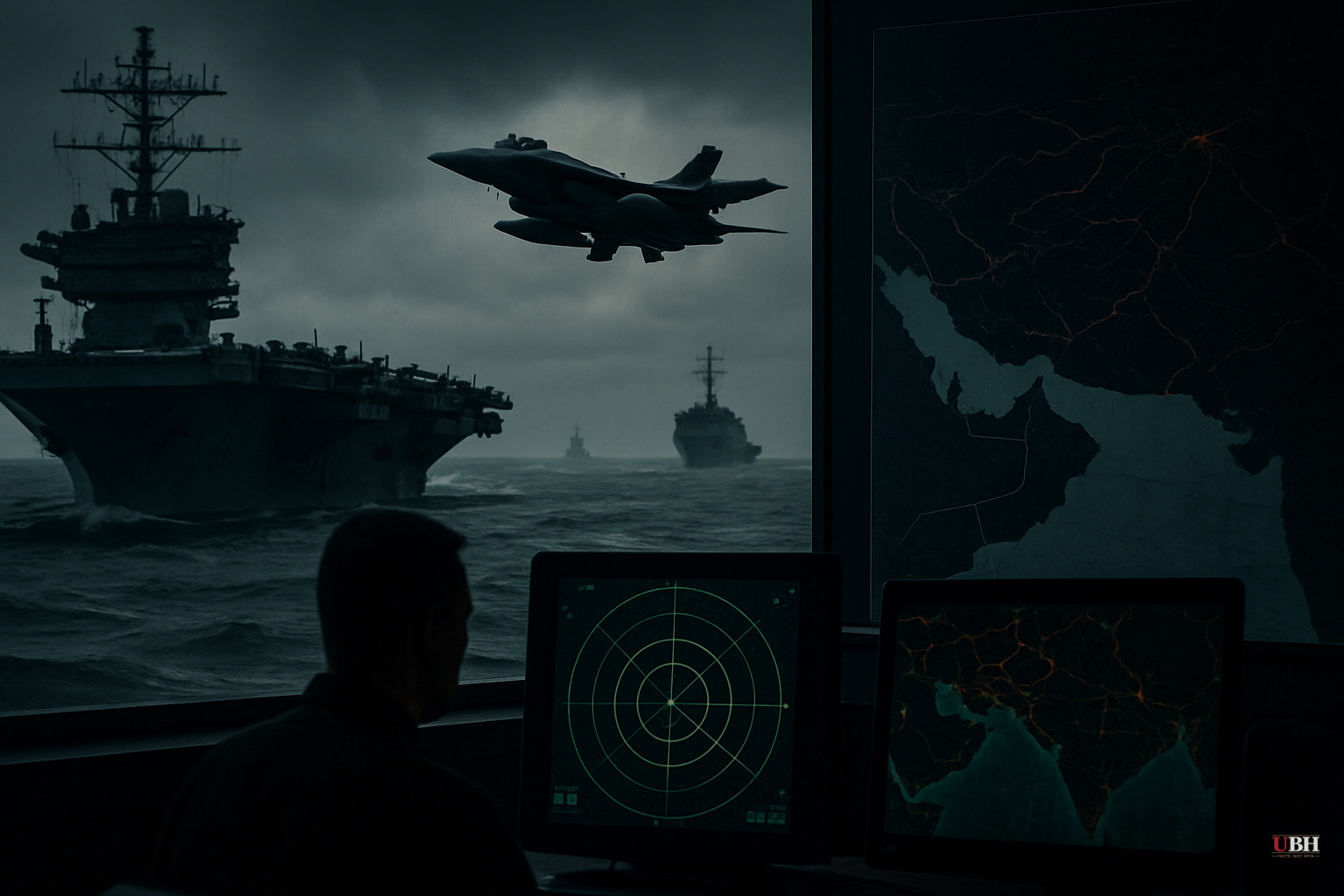
The Number That Changed: $29 Billion and Climbing
When Pete Hegseth testified before the Armed Services Committees last month, the Iran war's official price tag was $25 billion. That was already staggering.
On Tuesday, acting Pentagon comptroller Jules Hurst put a new number on the record: $29 billion. That's a $4 billion jump in a matter of weeks, according to CBS News.
And that's probably still low. U.S. officials familiar with internal assessments told CBS News in April that the real figure could hit $50 billion. Nobody in Tuesday's hearings challenged that ceiling. Nobody produced a credible rebuttal.
Hegseth called the Pentagon's requested $1.5 trillion FY2027 budget — a 42% increase over 2026 — "admittedly a historic budget" but insisted it's "fiscally responsible." A 42% single-year hike in any federal agency's budget is unusual. Calling it fiscally responsible doesn't make it so.
McConnell Comes Out Swinging — Against His Own Party's Pentagon
Mitch McConnell — chair of the Senate Appropriations defense subcommittee and the most powerful Republican in Congress on spending — publicly criticized Hegseth over how the Pentagon plans to fund its operations.
McConnell's concern isn't opposition to defense spending. He's spent decades pushing for a strong military. His concern is that the Trump administration has a tenuous, hand-wavy plan for where the money actually comes from. According to The Hill, McConnell pressed Hegseth directly on funding mechanisms and got answers he found unconvincing.
When a Senate Republican with McConnell's seniority and defense credentials is skeptical of a Republican Pentagon chief's budget math, the numbers warrant scrutiny.
Pakistan: The Story Nobody Wants to Confirm
Senator Lindsey Graham — one of the loudest Iran war supporters in Congress — raised an issue on Tuesday. He cited CBS News reporting that Pakistan is allowing Iranian military aircraft to park on Pakistani airfields.
He asked Joint Chiefs Chair Gen. Dan Caine directly whether he'd seen the report. Caine confirmed he had.
Graham's follow-up: if Pakistan is sheltering Iranian military assets, how can Pakistan serve as a neutral peace mediator?
Caine declined to comment, citing ongoing negotiations. Hegseth said the same. Graham's response: "No wonder this damn thing is going nowhere."
He pressed further: "If they actually do have Iranian aircraft parked in Pakistan bases to protect Iranian military assets, that tells me we should be looking, maybe, for somebody else to mediate."
The ceasefire negotiations — already stalled — now face a third-party problem that the administration is refusing to address publicly.
Hegseth's Authorization Argument Gets Weaker, Not Stronger
Hegseth again told Congress on Tuesday that Trump doesn't need congressional authorization for military action in Iran because he has sufficient authority under Article 2 of the Constitution. This is the position he's held since the conflict began.
But the political ground is shifting. According to CBS News, two Republicans — Sen. Susan Collins of Maine and Sen. Rand Paul of Kentucky — have now joined Democrats in supporting a measure to limit Trump's war powers. Sen. Lisa Murkowski of Alaska says she's drafting a formal Authorization for the Use of Military Force (AUMF) for Iran.
Hegseth's response to Murkowski on Tuesday: "We don't need it."
That's a constitutional position presidents have asserted before. But the political dimension matters. When three Senate Republicans and every Senate Democrat are asking for authorization, dismissing them with executive authority carries consequences. Congress controls the purse.
The Cost Gap and Budget Questions
Most outlets focused on the bipartisan exchanges — which occurred but offered little new ground. Three details from Tuesday stood out.
First, the cost gap: the difference between Hegseth's $29 billion figure and the internally estimated $50 billion remains unexplained publicly.
Second, the McConnell factor: a Republican hawk with 40 years in the Senate being unconvinced by Pentagon budget math carries weight.
Third, the Pakistan aircraft story: Graham said on the record that the mediation process is compromised. That development warrants attention.
The Pentagon Budget and Gas Pump Reality
Gasoline prices are already climbing — AP News reported inflation surging to 3.8% as the Iran war hits energy markets. The war reaches the pump.
The Pentagon is asking for a budget 42% bigger than last year, a war cost that grew $4 billion in weeks and may hit $50 billion, and a ceasefire negotiation potentially compromised by the mediator sheltering the other side's planes.
Tuesday's hearings made clear that even the people in charge don't have clean answers.
Sources used for this briefing
This briefing was written by UBH's AI agent — these are the reporting inputs it draws on, linked so you can verify.


