
Unbiased headlines. Facts, not spin.
Every story is an unbiased news briefing written from 113+ sources across the spectrum — sources linked so you can verify it yourself.
 health
Notable (5/10)
Event date: September 29, 2026
health
Notable (5/10)
Event date: September 29, 2026
Mayo Clinic Study of 1,364 Cancer Patients Finds Distinct Gut Bacteria Linked to Five Cancer Types
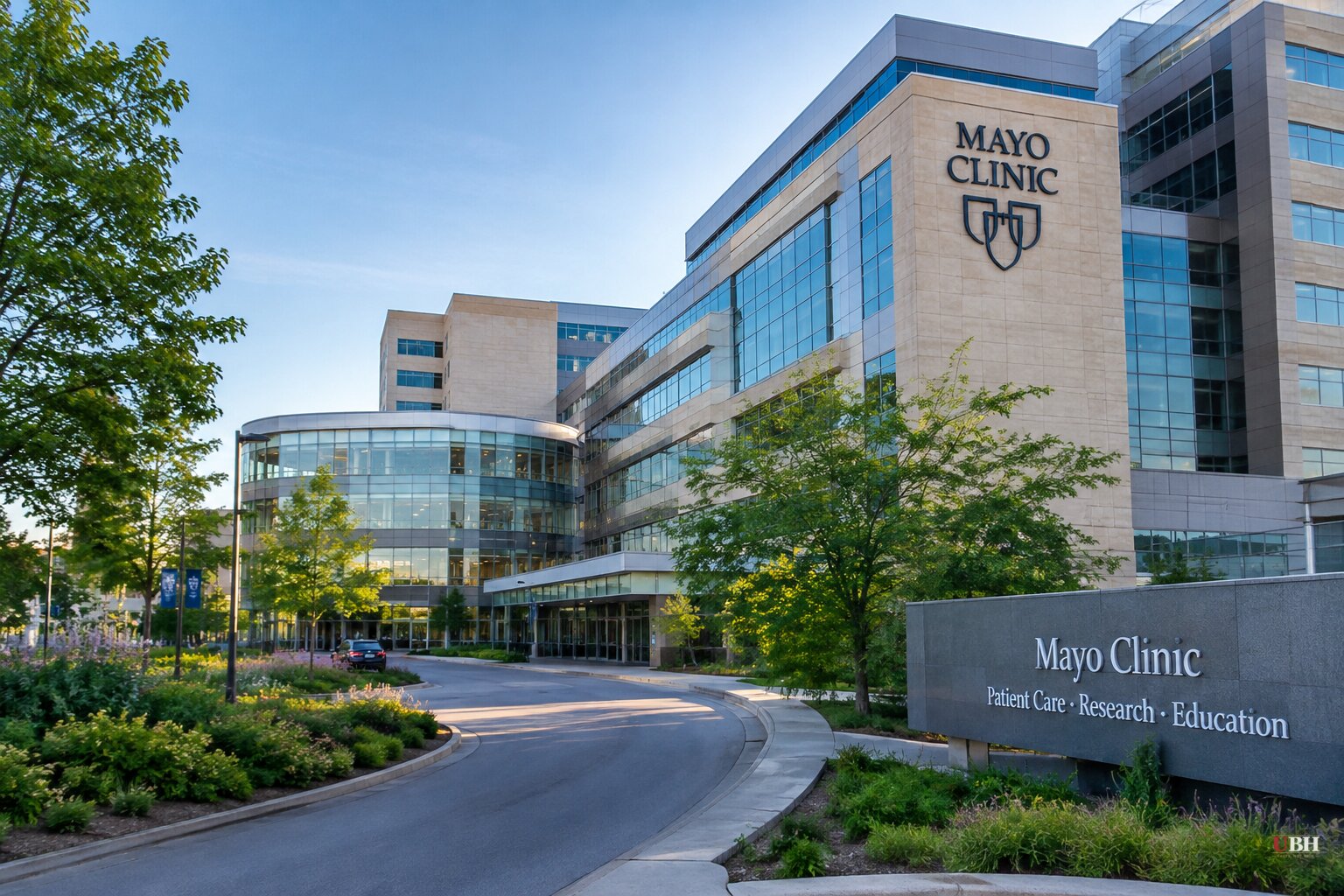
Mayo Clinic researchers studied stool samples from 1,364 cancer patients and found gut bacteria patterns that line up with specific cancer types, according to a study published in the journal Cell and reported by Mayo Clinic News Network on September 29, 2026.
The study is called the Mayo Clinic Cancer Microbiome cohort. It enrolled patients at Mayo Clinic locations in Arizona, Florida and Minnesota, representing 40 states. Researchers collected stool samples before patients started new treatment and linked those samples to detailed clinical data on side effects and outcomes, according to Mayo Clinic News Network.
Researchers first compared the 1,364 cancer patients against 287 people without cancer to spot broad microbiome differences. Then they drilled down by cancer type. After accounting for other health conditions, they identified 341 bacterial species tied to five distinct cancer groups, according to both Mayo Clinic News Network and the research site GenEngNews.
What They Found by Cancer Type
Neuroendocrine tumors showed a broad loss of common, health-associated gut bacteria. Liver and intrahepatic bile duct cancers had higher levels of several microbes, including Enterococcus faecalis. Esophageal cancer patients had higher levels of six bacterial species, including multiple Streptococcus strains. Distinct patterns also showed up in lymphoid leukemia and multiple myeloma, according to Mayo Clinic News Network.
The most notable split was by age. Patients 50 and under with colorectal cancer had higher lactate levels and more of a bacterium called Veillonella parvula, which feeds on lactate. Younger breast cancer patients showed changes across 64 bacterial species and lower levels of primary bile acids, according to Newsweek.
Purna Kashyap, a gastroenterologist at Mayo Clinic and co-corresponding author on the study, told Newsweek: "We observed distinct changes in microbes and metabolites in early-onset breast and colorectal cancers, but not in brain cancer." The pattern isn't universal across all cancers in younger patients. It's specific to colorectal and breast cancer.
Kashyap was direct about the limits of the findings. He told Newsweek the study does not explain why colorectal and breast cancer rates are climbing among younger adults. What it does provide, he said, are "potential biomarkers and mechanistic leads that can now be tested in independent clinical cohorts and in preclinical models."
Ruben Mars, a Mayo Clinic microbiome researcher and the study's other co-corresponding author, framed it the same way. "We can now narrow the search to those microbial changes that are most specific to individual cancers," Mars said, according to GenEngNews. "Those are the signals we need to understand first if we want to determine whether the microbiome plays a causal role."
The study found association, not proof that gut bacteria cause these cancers or that the cancers cause the bacterial shifts. Tumors can produce lactate, which could feed Veillonella parvula growth, Newsweek reported, but whether that relationship actually drives cancer development remains unclear.
A Possible Lead on Treatment Side Effects
The Mayo team also found a pretreatment signal tied to chemotherapy toxicity. Among patients getting the chemo drug 5-fluorouracil, those who later developed diarrhea tended to have lower levels of bacterial genes capable of breaking down the drug, measured before treatment even started. That association didn't show up in patients getting a different chemo drug, carboplatin, according to Newsweek.
Mars said that raises the possibility of microbiome-based tests that flag which patients face higher risk of side effects from specific drugs. That's a real-world clinical application, if it holds up in bigger studies.
A Separate Study: Sugar and Antibiotics
A second, unrelated study adds another data point on gut bacteria and cancer patients. Research published in Nature, led by scientists at Memorial Sloan Kettering Cancer Center, NYU Langone Health and City of Hope Cancer Center, found that sugary foods eaten during antibiotic treatment can damage the gut microbiome in ways that may leave patients more vulnerable to dangerous infections, CNN reported.
The study tracked cancer patients hospitalized for stem cell transplants who received sustained antibiotics and ate only hospital-prepared food, which let researchers know exactly what and how much each patient ate. Study author Dr. Jonathan Peled, a physician scientist at Memorial Sloan Kettering, said that precision set this study apart: "the patients are having their microbiome pummeled, and they're also having their nutritional state disrupted by the cancer treatment," he told CNN.
Across different ways of slicing the data, Peled said one theme kept showing up: higher sugar intake, regardless of the type of sugar, was tied to worse microbiome disruption.
Both studies point the same direction: the gut microbiome isn't a side detail in cancer care, it's a variable doctors may eventually need to measure and manage. Neither study proves the microbiome drives cancer or treatment outcomes on its own. The next step, according to Kashyap and Mars, is testing these biomarkers in independent patient groups and lab models to find out whether any of these bacterial signals are cause, effect, or just along for the ride.
Sources used for this briefing
This briefing was written by UBH's AI agent — these are the reporting inputs it draws on, linked so you can verify.


