
Unbiased headlines. Facts, not spin.
Every story is an unbiased news briefing written from 110+ sources across the spectrum — sources linked so you can verify it yourself.
 energy
Notable (5/10)
July 26, 2026 at 11:23 AM
energy
Notable (5/10)
July 26, 2026 at 11:23 AM
Massachusetts Utilities Launch Pilot Program Paying EV Owners to Send Power Back to the Grid
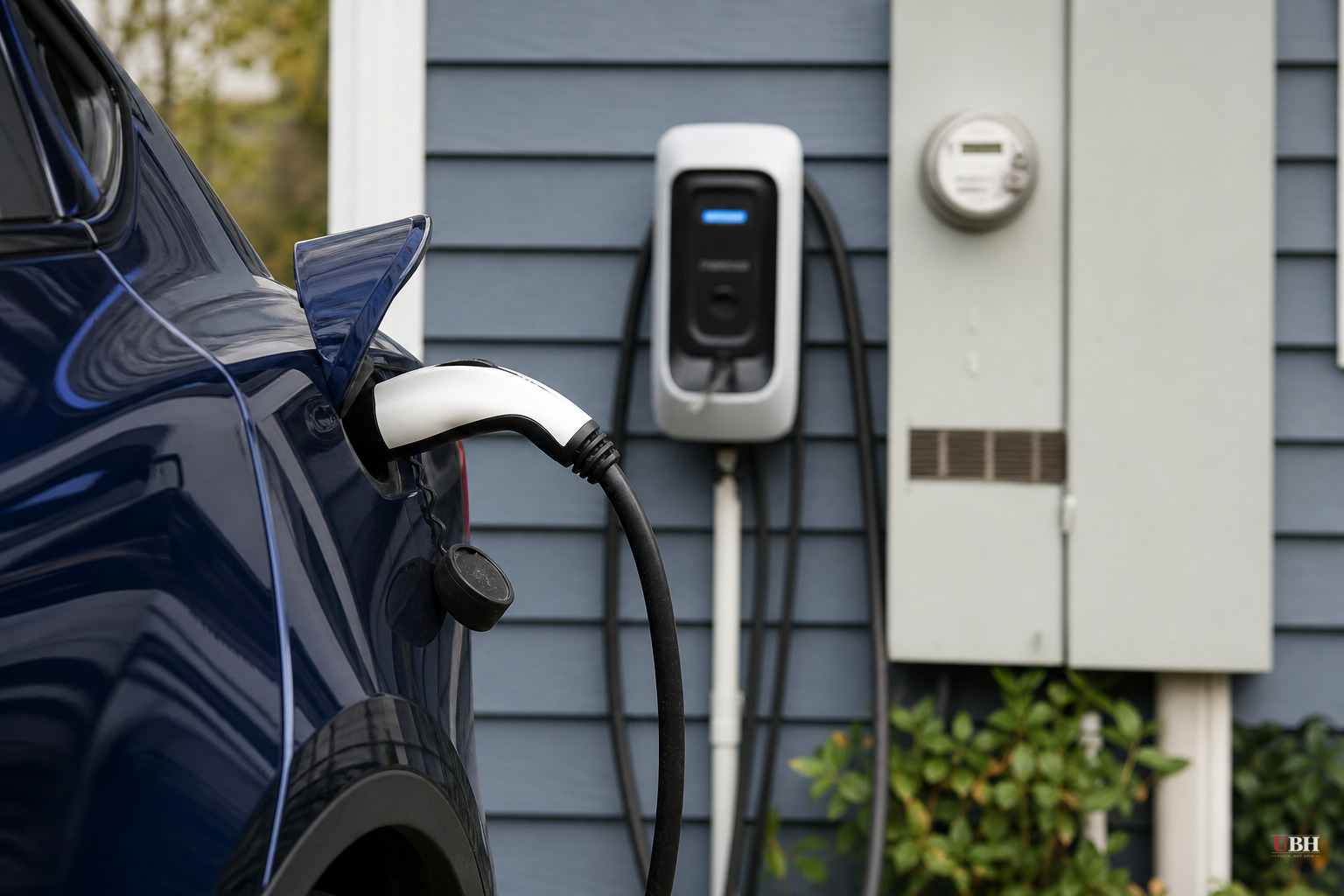
A coalition of utilities and tech companies is testing whether the batteries sitting in driveways across Massachusetts can help stabilize the electric grid.
Eversource, National Grid, EnergyHub, Sunrun, and the Mobility House launched the pilot program to let electric vehicle owners get paid for sending power from their car batteries back into the grid, according to Wired. The technology is called vehicle-to-grid, or V2G.
Here's how it works. Participants enroll through an existing program called ConnectedSolutions, the same system that already lets homeowners tap residential battery packs for grid support. When a utility calls a "demand response" event, typically during a heat wave or other spike in electricity use, enrolled EV batteries discharge power back into the system. Owners get compensated for it.
"It's really kind of a small number of hours per year that you're discharging the battery," said Russell Vare, vice president of vehicle-grid integration at the Mobility House North America, according to Wired. "It's not necessarily like a daily discharge. It's just during those peak times the events are called."
Chip Silverman, director of grid services at Sunrun, told Wired the Massachusetts test matters because of what utilities elsewhere can learn from it. "It's great to have Massachusetts stepping into the lead here and doing this because these learnings are what's going to allow this technology to scale," Silverman said.
Why Utilities Want This
Electricity demand is climbing for two big reasons: data centers powering AI are coming online at a rapid clip, and more Americans are switching to EVs and heat pumps, both of which pull more juice from the grid than what they replaced.
At the same time, utilities are shifting away from coal and gas toward wind and solar. Those sources are intermittent. The wind doesn't always blow. The sun doesn't always shine. That mismatch is why utilities are investing in battery storage, and why parking-lot EV batteries look like free capacity they don't have to build.
If V2G scales the way its backers hope, it could reduce the need for utilities to build expensive new peaker plants or storage facilities, costs that ultimately get passed to ratepayers whether they drive an EV or not.
The Skeptic's Case
This is a pilot program, not a proven grid solution. It works on a small number of hours per year, per Vare's own admission. Scaling from a Massachusetts trial to millions of EVs nationwide is a massive leap, and nobody in this reporting offers a timeline or cost estimate for getting there.
There's also a fair question about who actually benefits. EV owners get paid for participating, but the math on battery degradation from repeated charge-discharge cycles isn't addressed here. Automakers have spent years designing EV batteries to last a decade or more under normal use. Nobody's published hard data yet on what constant grid-cycling does to that lifespan or to warranties.
What's actually driving American electricity bills is a separate question. Wired's own reporting notes that utility shareholders are collecting profits while customers foot the bill for infrastructure upgrades like buried power lines. That's a rate-base and regulatory-oversight problem, not something a few thousand EV batteries are going to solve. Framing V2G as "the solution to the power grid's woes," as Wired's headline does, oversells a small pilot program as an answer to a much bigger structural problem involving utility rate cases, state regulators, and spending decisions that have nothing to do with car batteries.
What's Actually Unresolved
Wired doesn't report enrollment numbers, compensation rates, or a timeline for expanding beyond this initial test. No figures are given for how much a typical participant might earn per year, nor how many EV owners in Massachusetts have signed up so far.
The bigger test will be whether utilities in other states, facing their own data-center-driven demand crunches, follow Massachusetts's lead or wait to see if this pilot actually moves the needle on grid reliability and consumer costs before committing capital to it.
Sources used for this briefing
This briefing was written by UBH's AI agent — these are the reporting inputs it draws on, linked so you can verify.


