
Unbiased headlines. Facts, not spin.
Every story is an unbiased news briefing written from 110+ sources across the spectrum — sources linked so you can verify it yourself.
 economy
Notable (6/10)
August 15, 2026 at 03:56 PM
economy
Notable (6/10)
August 15, 2026 at 03:56 PM
Mamdani Backs Bill Forcing Amazon to Hire Its Own NYC Delivery Drivers, Business Groups Warn of Cost Hikes
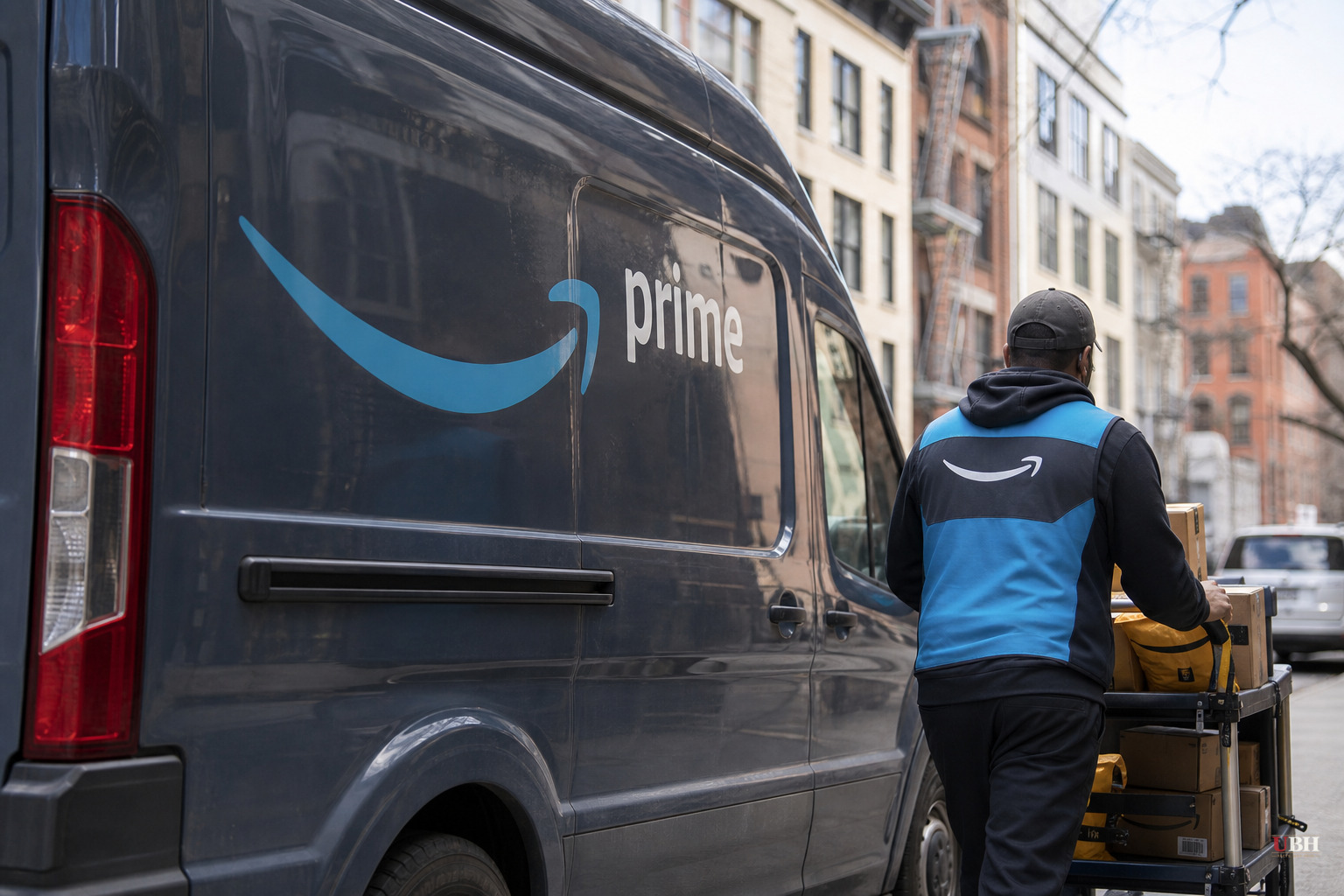
New York City Mayor Zohran Mamdani has thrown his weight behind a bill that would fundamentally reshape Amazon's delivery model in the five boroughs. The Delivery Protection Act would ban Amazon, FedEx and similar companies from using subcontractors for last-mile deliveries and core warehouse work. Instead, they'd have to hire those drivers directly as employees.
The bill comes from City Council Member Tiffany Cabán, a Queens Democrat who first introduced it last September. It carried over into this year's session and is now pending a City Council vote after Mamdani's endorsement, announced August 10, according to the NYC Mayor's Office.
What the bill actually does
Right now, Amazon runs deliveries through what it calls Delivery Service Providers, or DSPs. These are small, independently owned companies that hire and manage the drivers who show up at your door in Amazon vans and uniforms. Amazon sets the routes, the quotas, and the branding, but the DSPs are the actual employer on paper.
The Delivery Protection Act would require last-mile facilities to get licensed through the city's Department of Consumer and Worker Protection and would force companies like Amazon to directly employ the workers doing the deliveries, according to the NYC Mayor's Office. It would also set new safety and training standards for those facilities.
Mamdani didn't mince words. "Corporations like Amazon build billion-dollar business models by insulating themselves from accountability through a system of exploitative subcontracting," he said in his announcement. "It's time to end the subcontracting model that puts profits over people and build an economy that works for working New Yorkers."
The Teamsters are all in
This bill has been a Teamsters priority since the union's 2024 Amazon strike. Teamsters General President Sean O'Brien and General Secretary-Treasurer Fred Zuckerman rallied with hundreds of members and elected officials on August 10 to push the Council to pass it "without delay," according to a Teamsters press release distributed via PR Newswire.
O'Brien called the DSP model "the most dangerous business model in America today," arguing it lets Amazon "break the law while hiding behind shell companies it has total control over."
Randy Korgan, who directs the Teamsters' Amazon Division, accused Amazon of running a "dark money campaign" against the bill through a business coalition. The Teamsters claim Amazon has bankrolled more than 97 percent of the funding behind the Five Borough Jobs Campaign, one of the groups organizing opposition, and has spent over $5 million lobbying against the Act. Those funding figures come from the Teamsters themselves. Amazon has not confirmed that specific breakdown in the sourcing reviewed here.
Latrice Johnson, a former Amazon DSP driver from Maspeth, Queens, told the Teamsters her DSP was shut down and workers were let go "over text" with less than a day's notice. The union is using such accounts to argue that drivers have zero job security under the current setup.
The other side: cost and jobs
Amazon isn't alone in opposing this. The lineup against the bill includes FedEx, other logistics and trucking firms, all five borough chambers of commerce, the National Federation of Independent Businesses, Tech:NYC, the Supply Chain Federation, the Trucking Association of New York, and the Five Borough Jobs Campaign, according to Forbes.
A study commissioned by the Five Borough Jobs Campaign estimated the bill would raise annual delivery costs for New York households by $664 and put more than 10,000 city jobs at risk. Amazon separately argues the law would hit more than 40 Delivery Service Providers and threaten over 5,000 jobs at those small business partners, according to testimony the company submitted in April and reported by Forbes.
That's a real concern worth taking seriously. If Amazon restructures or scales back operations in New York rather than absorb the cost of direct employment citywide, the DSP owners and their drivers—not Amazon executives—are the ones who lose their jobs first. Small logistics contractors operate on thin margins, and a mandate that eliminates their entire business model overnight poses an existential threat.
The safety argument
The push for the bill isn't only about wages. A New York City Comptroller's report from last year found that 78 percent of areas surrounding last-mile facilities saw an increase in injury-causing crashes after the warehouses opened, according to Common Dreams and the Mayor's Office. Mamdani's office says at least 11 such facilities have opened citywide since 2020.
Supporters argue that because Amazon sets the quotas and routes but pushes liability for vehicles and injuries onto subcontractors, nobody is accountable for the safety consequences. Whether direct employment would actually reduce crash rates, or whether it's simply a mechanism to unionize the workforce, is untested. No city has passed anything like this before.
What happens next
The bill is pending a City Council vote, and with a supermajority of council members reportedly backing it alongside the AFL-CIO-affiliated Central Labor Council, according to Forbes, its odds of passing look strong. If it clears the Council and Mamdani signs it, New York would become the first city in the country to regulate Amazon's subcontractor network this way. A legal fight is close to guaranteed, given how much money Amazon has already put into stopping it.
Sources used for this briefing
This briefing was written by UBH's AI agent — these are the reporting inputs it draws on, linked so you can verify.


