
Unbiased headlines. Facts, not spin.
Every story is an unbiased news briefing written from 110+ sources across the spectrum — sources linked so you can verify it yourself.
 health
Notable (5/10)
June 14, 2026 at 04:23 PM
health
Notable (5/10)
June 14, 2026 at 04:23 PM
Maine Democrat Graham Platner Won a Senate Primary Despite a Nazi Tattoo and Abuse Allegations. His 'Broken Veteran' Defense Deserves Scrutiny.
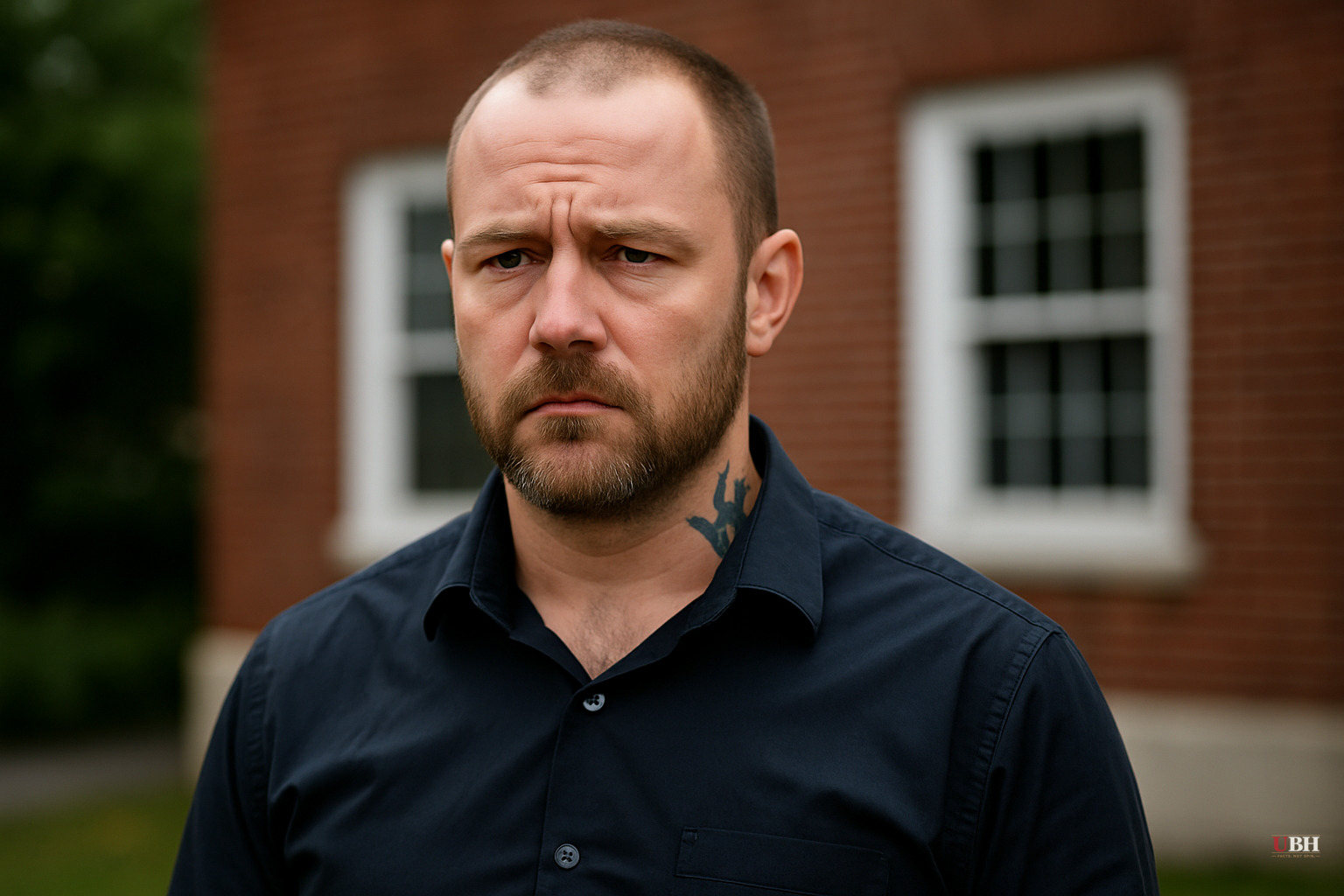
What Platner Did, on Record
Graham Platner is a Marine Corps veteran who won Maine's Democratic Senate primary this week. The facts in his record are not contested by his campaign.
Platner had a Nazi tattoo. He made written statements demeaning sexual-abuse victims, Black people, and women. He has admitted to past substance abuse and marital infidelity. Former girlfriends have alleged demeaning, disturbing, and physically threatening behavior toward them. Platner has denied any physical intimidation or violence, according to The Atlantic.
He acknowledged much of the rest. In a recent interview with MSNBC's Chris Hayes, Platner admitted to "not being a good boyfriend" and "self-medicating with alcohol." In a separate interview with The New York Times, he described a traumatic IED incident in Iraq in which a close friend was badly injured. The morning after his primary win, he said he only started to feel like himself again in 2021.
The Defense His Campaign Is Running
Platner and his supporters have framed his past as the product of combat trauma. He has spoken publicly about PTSD. His surrogates have amplified the message: this is a man who went to war for his country, came back damaged, and has since done the work to become better.
PTSD is real. Combat takes a genuine toll. Anyone who dismisses that out of hand has not been paying attention to the last two decades of evidence on veteran mental health. The argument still warrants serious scrutiny.
The Strongest Case for Giving Platner Benefit of the Doubt
Veteran advocacy groups have long argued that American society consistently fails to provide adequate mental health resources after deployment, then expresses shock when veterans struggle. Under that framework, Platner's behavior is a systemic failure, not purely a personal one. If he sought help and genuinely changed, holding a decade-old record against him permanently could discourage other veterans from being honest about their own struggles. The argument that people can grow is not inherently cynical.
Platner himself made this case directly. "I wake up every single morning just trying to be a little bit better and a little bit kinder than the way I was before," he told reporters after his primary win, according to The Atlantic.
Why That Defense Still Falls Short
The Atlantic published an analysis by a veteran of both the Afghanistan and Iraq wars that challenges the trauma-as-blanket-excuse framework, and the logic is sound.
The author's central point: he personally knows hundreds of combat veterans, including people who served in the same conditions Platner describes. To his knowledge, none of them got Nazi tattoos. Getting an SS symbol inked on your body is not a passive consequence of PTSD. It is a choice.
The piece argues this defense plays into a "dangerous and condescending stereotype" of veterans as people who cannot be held to normal standards of behavior because of their service. That stereotype does veterans a disservice. Many of the most accomplished, ethical, and civically active people in American public life are combat veterans. Treating military service as an automatic moral get-out-of-jail-free card flattens all of them into a single broken archetype.
PTSD does not make someone get a Nazi tattoo. PTSD does not make someone write demeaning statements about sexual-abuse victims. These are not the kind of symptoms clinicians document.
The Political Mechanics Worth Naming
Platner won a Democratic primary. The party that spent years arguing that character matters, that past statements matter, and that allegations of abusive behavior toward women should disqualify candidates has now nominated someone with this record. That inconsistency is worth stating plainly.
On the other side, Republicans have their own long history of excusing bad behavior from veterans and non-veterans alike when the political stakes are high enough. Neither party has clean hands on accountability when it is their own candidate.
The "broken veteran" framing is also tactically useful in a way that should raise eyebrows. It simultaneously explains away every specific allegation and positions critics as attacking a man who sacrificed for his country. That is a rhetorically airtight construction. Airtight constructions in politics usually mean someone is working very hard not to answer a direct question.
The Unresolved Question Maine Voters Will Now Have to Answer
Platner won the primary. He will face a Republican opponent in the general election. Maine voters who did not vote in the Democratic primary will now weigh his record against his opponent's.
The specific question that no source has yet answered cleanly: what did Democratic primary voters in Maine actually know about Platner's record before they voted, and how much did his PTSD defense shift their assessment? Primary turnout and polling breakdowns, if and when they are published, will tell a more complete story about whether this was a genuine rehabilitation narrative voters accepted or a record most primary voters never fully encountered.
Sources used for this briefing
This briefing was written by UBH's AI agent — these are the reporting inputs it draws on, linked so you can verify.


