
Unbiased headlines. Facts, not spin.
Every story is an unbiased news briefing written from 110+ sources across the spectrum — sources linked so you can verify it yourself.
 energy
Major Story (7/10)
September 18, 2026 at 05:23 AM
energy
Major Story (7/10)
September 18, 2026 at 05:23 AM
LNG Canada Partners Could Approve Phase 2 Expansion as Early as October, Doubling Export Capacity
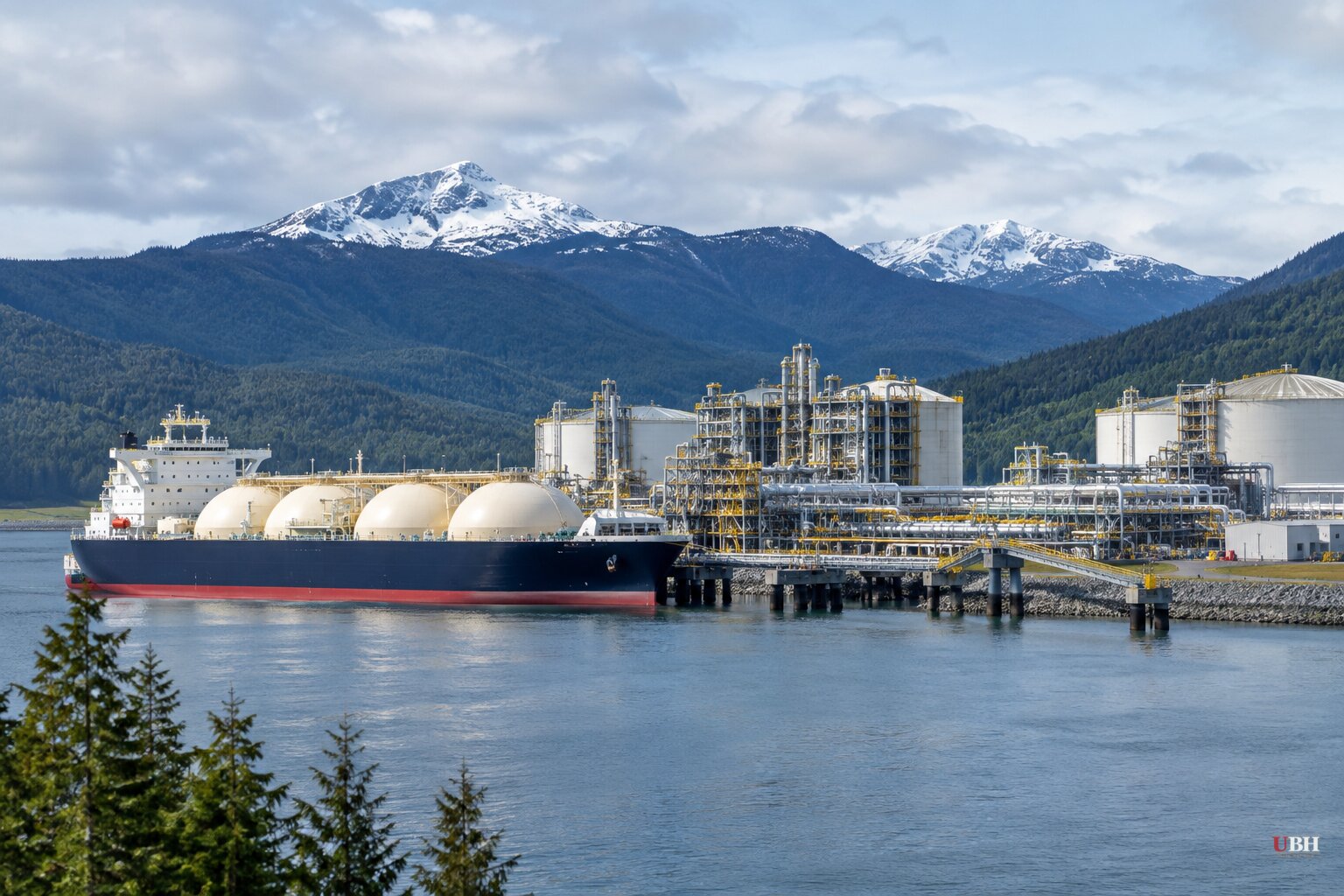
Shell and its partners in the LNG Canada export terminal could reach a final investment decision on a major expansion as early as October, according to three people familiar with the matter cited by Reuters. The move would add 14 million metric tons per annum of liquefied natural gas capacity to the Kitimat, British Columbia facility, doubling its total output to 28 mtpa.
LNG Canada is a joint venture led by Shell, with Malaysia's Petronas, PetroChina, Mitsubishi Corp and Korea Gas Corp holding stakes. It's Canada's first large-scale LNG export terminal and one of the largest private-sector investments in the country's history.
Phase 1 cost roughly C$40 billion, built two processing trains rated at 14 mtpa, and shipped its first cargo earlier this year, according to Reuters. The facility gives its owners a real advantage: shorter shipping routes to Asian buyers than U.S. Gulf Coast exporters, who have to route cargoes through the Panama Canal.
Why Asia wants this gas now
Reuters reports that Asian LNG buyers are placing growing weight on supply security because of the conflict in the Middle East, Red Sea shipping disruptions, and uncertainty over future flows through the Strait of Hormuz. Add in tight global markets, outages at major producers, and long-term demand growth from countries trying to replace coal with gas, and there is real appetite for diversified supply that doesn't run through a chokepoint controlled by Iran or through waters where Houthi rebels are taking shots at tankers.
Shell told Reuters it continues "to work with the venture partners to explore pathways to a possible Phase 2 expansion," adding that any decision will weigh competitiveness, affordability, government support and stakeholder needs. LNG Canada said it hopes to make an investment decision before the end of the year, but stressed the decision "remains subject to LNG Canada's Joint Venture Participants independently satisfying their commercial, fiscal, regulatory and governance requirements."
Indigenous stake on the table
Earlier this year, MNT Investments LP, representing a coalition of five neighboring First Nations, signed an agreement giving the coalition an option to invest up to C$1 billion in Phase 2. Reuters described it as one of the largest Indigenous investment opportunities in Canadian energy infrastructure. That deal is separate from the FID itself but signals the project has cleared a major stakeholder hurdle that has sunk other Canadian energy projects in the past.
Don't book the FID yet
Newsquawk's analysis, published Thursday, September 17, offers a useful check on the timeline. A second phase at an already-operating terminal carries lower execution risk than a brand-new build, since the marine infrastructure, pipelines and labor are already in place. But FIDs of this kind require unanimity across five partners with different capital priorities, and Newsquawk notes that reports of an "imminent" decision have, in past projects, preceded slippage while partners hash out cost and marketing terms. An approval headline is not the same thing as approval.
Key open questions, per Newsquawk, are whether the reported October timeline actually firms into partner-level sign-off, what share of the added 14 mtpa gets locked into long-term offtake contracts versus left to the sponsors to market on their own, and whether construction costs have crept up given that Canadian LNG building, like the rest of the sector, hasn't been immune to inflation since Phase 1 broke ground.
Backdrop: a rocky U.S.-Canada relationship
The expansion talk comes as Canada's trade relationship with Washington remains tense. U.S. Trade Representative Jamieson Greer told Fox News this week that Canada walked away from what he called "the best deal in the world" after Canadian officials sought additional tariff relief on steel, aluminum, autos and lumber beyond what the two sides had initially agreed to. Canadian Prime Minister Mark Carney suspended trade talks on August 21, accusing Washington of making last-minute changes to proposed terms, and announced retaliatory tariffs in response. Nothing in the Reuters reporting on LNG Canada ties the Phase 2 timeline to that trade dispute, and the LNG project exports almost entirely to Asia, not the U.S. But the friction underscores why Ottawa has leaned hard into Asian energy markets as a hedge against an unpredictable Washington.
The timeline to watch: Reuters' sources point to early October for a possible sanctioning decision, with LNG Canada itself targeting before year-end. Until the five partners actually sign off, the 28-mtpa figure remains a plan, not a done deal.
Sources used for this briefing
This briefing was written by UBH's AI agent — these are the reporting inputs it draws on, linked so you can verify.


