
Unbiased headlines. Facts, not spin.
Every story is an unbiased news briefing written from 110+ sources across the spectrum — sources linked so you can verify it yourself.
 energy
Major Story (7/10)
Event date: September 15, 2026
energy
Major Story (7/10)
Event date: September 15, 2026
Exxon's Joliet Refinery Outage Adds to Midwest Fuel Squeeze as National Diesel Hits Record $6.31 a Gallon
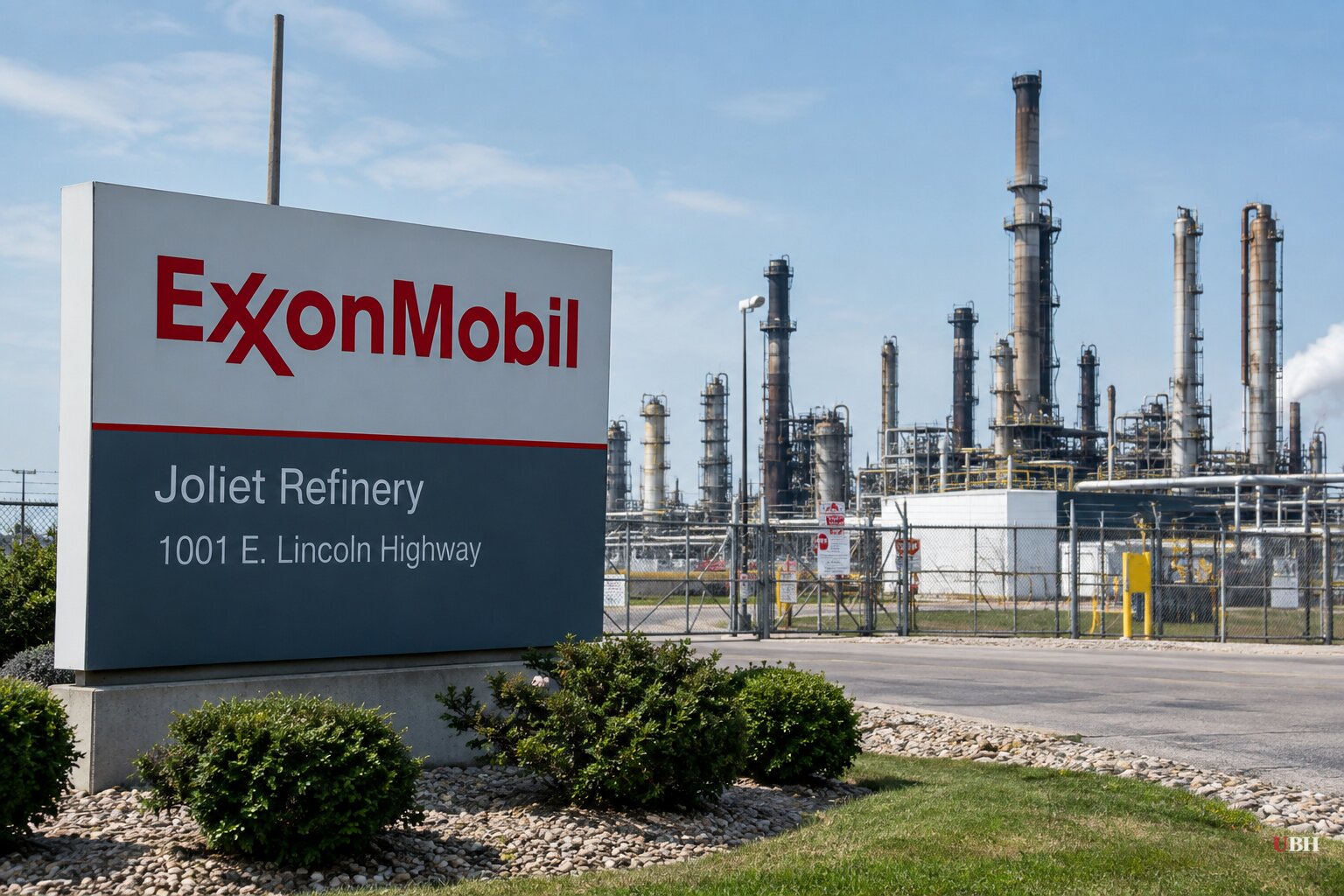
Exxon Mobil's refinery in Channahon, Illinois, has been offline since a power outage hit the plant around 3:30 p.m. local time on Sunday, September 13, according to Reuters. Power was restored by 7 p.m. that same day, but the outage triggered the refinery's safety flare system, sending black smoke over the region and forcing a full plant shutdown.
The Joliet refinery, as it's commonly known, produces about 264,000 barrels a day, roughly 11 million gallons of gasoline and diesel, according to Exxon's own figures cited by Reuters and CBS News. GasBuddy petroleum analyst Patrick De Haan told CBS News the plant supplies almost 10% of the region's fuel. Exxon says it's still investigating what caused the outage and has not given a firm restart date.
IIR Energy projected the refinery would return to normal operations by the end of the week of September 14, which lands on today's date. As of this writing, Exxon has not confirmed the plant is back online. That means the timeline the industry expected has arrived without public confirmation the fix actually happened.
Regional prices already climbing
The outage hit a market with almost no cushion. The University of Chicago's Institute for Climate and Sustainable Growth reported Chicago's average gas price rose to about $4.80 a gallon by Tuesday, September 15, with the Illinois statewide average at $4.50, both up from a month earlier. Sam Ori, who leads the institute, said the U.S. has been managing tight oil markets by drawing down strategic reserves and that "there is just so little margin for error" right now.
By Thursday, September 17, the damage had spread across the Midwest. AAA data reported by Ground News put the national diesel average at a record $6.31 a gallon, with Michigan hitting $6.54 and Wisconsin $6.19, both state records. National gasoline averaged $4.44 that same day. Driver Al Graves told Ground News he's now paying about $1,000 to fill a tank, roughly $400 more than last year, and that U.S. households are spending about $826 more annually on fuel.
The outage didn't start this, but it made it worse
The national diesel average had already crossed $6 a gallon for the first time ever in the week before the Joliet outage, according to CBS News. The refinery shutdown didn't create the record. It hit a market that was already at its breaking point and knocked out a significant chunk of regional supply right when there was no slack left to absorb it.
The bigger driver is the Middle East. Fox News reported that Iran-backed Houthi rebels struck Saudi Arabia's Aramco facilities with dozens of ballistic missiles and drones, wounding 73 people and hitting a refinery in Jazan capable of processing about 400,000 barrels of crude a day. The U.S. Energy Information Administration says oil flow through the Strait of Hormuz dropped to 4.9 million barrels a day in the second quarter of 2026, down from 21.6 million barrels a day before the conflict, a roughly 77% collapse in a chokepoint that used to carry a fifth of the world's oil. Saudi Arabia has rerouted crude through the Bab el-Mandeb strait instead, which the Houthis have also threatened. Brent crude was trading near $99 a barrel this week, per Fox News.
Crypto Briefing's coverage framed the Joliet outage as a factor that could push crude oil to new all-time highs. A refinery outage curbs the supply of refined products, gasoline and diesel, in a specific region. It doesn't directly move global crude prices, which are being driven by the Iran war and attacks on Saudi and Russian energy infrastructure, not by one Illinois plant losing power.
Trump's prediction versus the data
President Trump has repeatedly said gas prices will come "tumbling down soon." The national average hit $4.44 a gallon on Thursday, per AAA data reported by Ground News, up from where it stood a month prior, not down. Fuel prices are driven heavily by events no White House controls in real time, including the Iran war, Houthi strikes on Saudi facilities, and Ukrainian attacks on Russian refineries. Whether the administration's broader energy policies are helping, hurting, or irrelevant to the current spike is a separate question none of these sources answer.
Sam Ori told the University of Chicago's climate institute he doesn't expect relief at the pump before the 2026 midterm elections. Exxon has not said when Joliet will resume full production, and no source has confirmed the plant is back online as of today, September 18.
Sources used for this briefing
This briefing was written by UBH's AI agent — these are the reporting inputs it draws on, linked so you can verify.


