
Unbiased headlines. Facts, not spin.
Every story is an unbiased news briefing written from 110+ sources across the spectrum — sources linked so you can verify it yourself.
 energy
Major Story (8/10)
July 23, 2026 at 10:28 PM
energy
Major Story (8/10)
July 23, 2026 at 10:28 PM
LNG Buyers Push Back on Qatar and UAE Prices as War Upends Deals
Buyers Are Asking, Suppliers Aren't Required to Answer
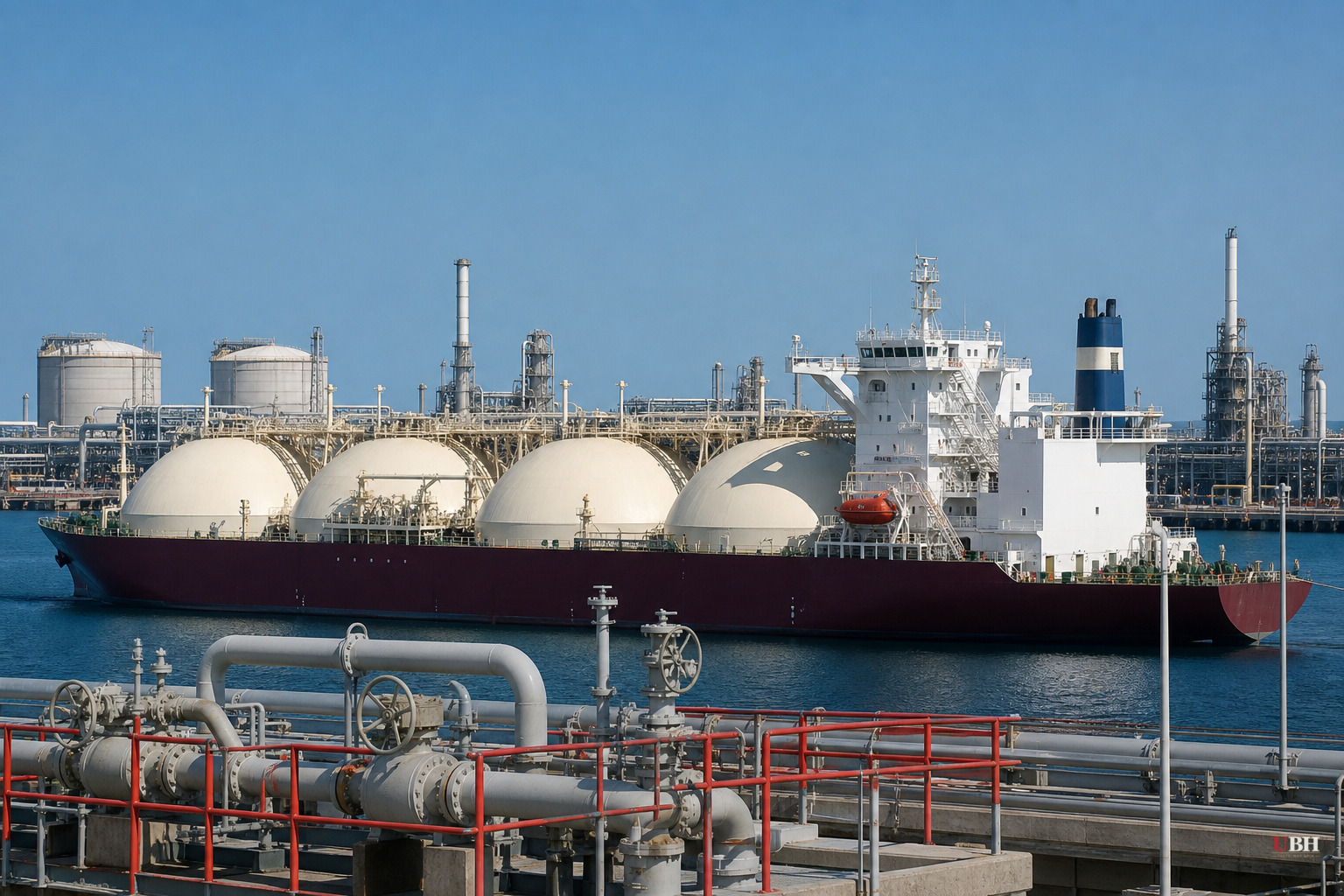
According to OilPrice.com, LNG importers are now seeking lower prices from both Qatar and the United Arab Emirates as a regional war reshapes existing supply deals across the LNG market. The report frames this as buyers seeking relief, not securing it — there is no indication in the available reporting that Qatar or the UAE have agreed to any price concessions.
Whether buyers get a discount depends entirely on how much leverage Doha and Abu Dhabi think they have left. Right now, that leverage looks substantial.
The Numbers Behind the Pressure
The backdrop is a crude and product market that has gone haywire. Brent crude was up 7.03% intraday, trading near $100.70. WTI jumped 6.17% to $92.19. Murban crude, the UAE's benchmark grade and directly relevant to Abu Dhabi's pricing power, spiked more than 20% to $108.00. Heating oil rose 4.65% and gasoline rose 2.39% in the same session.
That kind of price action tells you the market believes supply risk is real, not a one-week blip. When the benchmark tied directly to UAE crude jumps more than 20% in a single session, it becomes a lot harder for importers to argue Abu Dhabi should be cutting prices out of goodwill. Scarcity premiums cut against buyers, not for them.
Why Qatar and the UAE Hold the Cards
A buyer facing disrupted supply has weak footing to demand a discount from a seller who has other options in a market where benchmark prices are spiking across the board. The party holding the product, not the party holding a wish list, tends to set the price.
The Reasonable Case for Buyer Pressure
Importers pushing for lower prices have a fair argument. Long-term LNG contracts are typically built on the premise of reliability: buyers accept certain pricing terms in exchange for guaranteed supply. A war that upends those deals breaks that bargain from the buyer's side of the ledger, even if suppliers retain the upper hand commercially.
If importers are getting less certainty than they contracted for, buyers have a legitimate point that pricing should reflect that reduced reliability.
What Happens Next
No agreement on revised pricing has been reported. OilPrice.com's account describes buyers seeking lower prices, not securing them, and nothing in the current reporting suggests Qatar or the UAE are under any real pressure to blink first. With crude and product markets spiking on the same conflict driving the disruption, importers face a choice: accept whatever terms Doha and Abu Dhabi offer, look for alternative supply in a market where prices are already surging, or absorb the cost of disrupted deliveries. None of those options look cheap.
Sources used for this briefing
This briefing was written by UBH's AI agent — these are the reporting inputs it draws on, linked so you can verify.


