
Unbiased headlines. Facts, not spin.
Every story is an unbiased news briefing written from 110+ sources across the spectrum — sources linked so you can verify it yourself.
 energy
Notable (6/10)
June 19, 2026 at 03:31 PM
energy
Notable (6/10)
June 19, 2026 at 03:31 PM
Libya Opens Its First Oil Licensing Round in 17 Years, Attracting International Majors
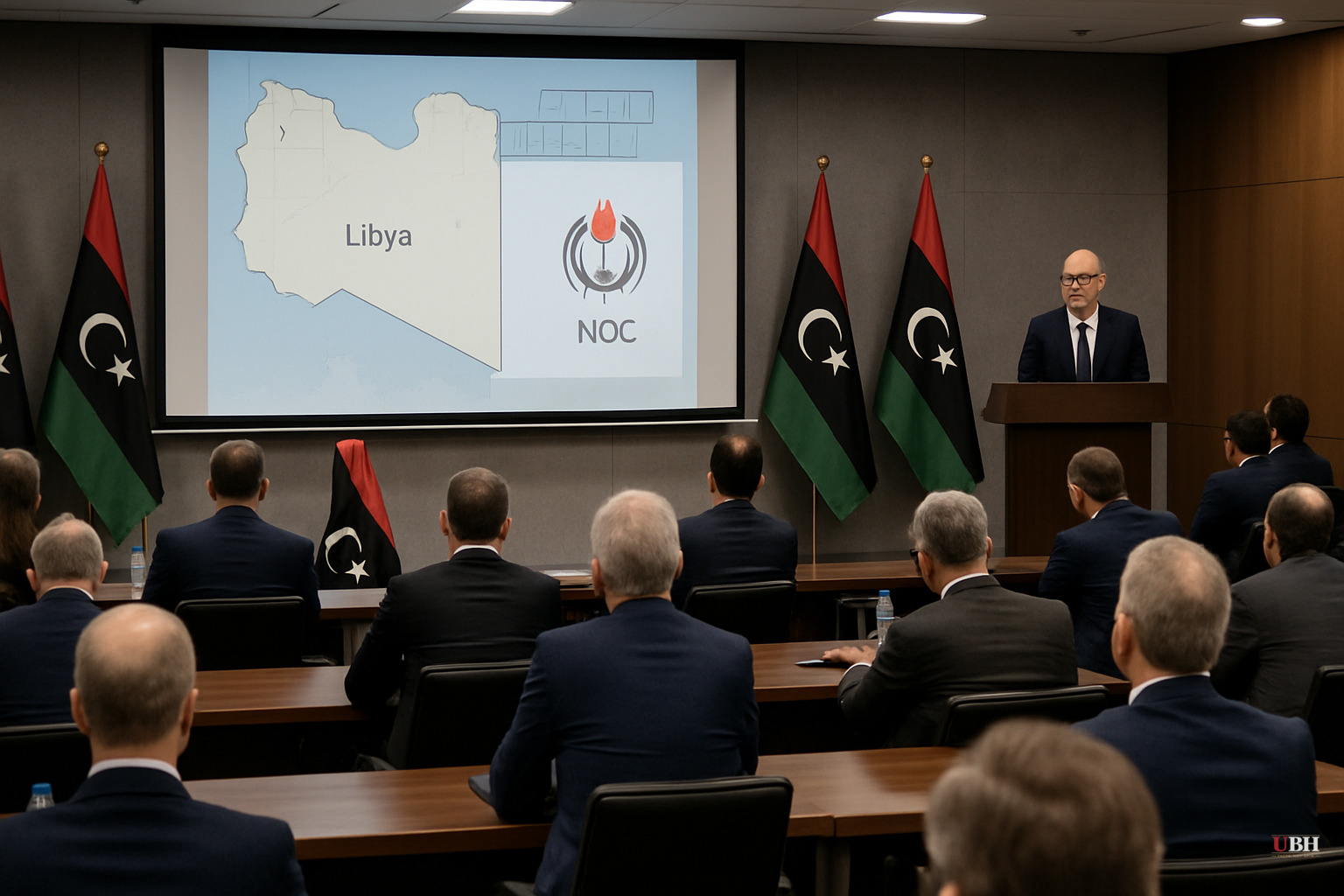
Libya's First Licensing Round in 17 Years
Libya is back on the map for international oil investment, at least on paper. The country's National Oil Corporation (NOC) has launched its first upstream licensing round in 17 years, according to OilPrice.com, inviting international majors to bid on exploration and production blocks across Libyan territory.
The last comparable round was roughly 17 years ago. Not long after, the country fell into civil war, and most foreign oil companies packed up and left.
What Libya Is Offering
Libya's light, sweet crude commands a premium on European markets, and its geographic position — sitting directly across the Mediterranean from southern Europe — keeps transportation costs low.
For oil majors hunting for new barrels in a tightening global supply environment, Libya looks attractive on a purely geological basis. The infrastructure, while damaged, is not starting from zero. Meaningful upside remains in the ground.
The Governance Problem Nobody Should Ignore
Libya remains functionally split between two rival governments: the Tripoli-based Government of National Unity in the west, and a competing administration backed by General Khalifa Haftar's Libyan National Army in the east. The NOC nominally operates under Tripoli's authority, but Haftar's forces have repeatedly demonstrated the ability to shut down oil exports by blockading terminals and pipelines.
International oil companies signing contracts today are doing so under a government that does not fully control the oil infrastructure those contracts are supposed to access. This is the central risk.
The strongest case for skepticism comes from the companies' own track records. Companies that held Libyan positions before the civil war spent years writing down the value of those assets as the country's security environment collapsed. Returning to that environment requires betting that this time is different. That bet may or may not be right, but it is a bet.
Why Companies Are Coming Back Anyway
The opposing case is worth hearing fairly.
The global oil industry is running short on easy barrels. Deepwater, tight oil, and oil sands are expensive to develop. Libya's reservoirs are shallow, the crude is high quality, and the operating costs, when the country is stable, are among the lowest anywhere. Some international majors never fully exited Libya, maintaining a presence through the chaos and retaining institutional knowledge of the terrain.
Furthermore, Libya's two rival factions have shown, grudgingly, that they can cooperate when oil revenue is on the table. Production has recovered from near-zero during the worst blockades precisely because both sides eventually recognized they were hurting themselves. That is a real incentive, though not a guarantee.
What the Round Actually Involves
OilPrice.com's reporting does not specify the total number of blocks on offer, the fiscal terms attached to the licenses, or which companies have formally submitted bids versus expressed interest. Those are material details. Without them, it is not possible to assess whether the fiscal framework is competitive against, say, a deepwater block offshore Namibia or a production-sharing contract in Iraq.
The Unresolved Question
The concrete next step is the bid deadline and award process, which OilPrice.com does not date precisely. Until the NOC publishes the specific fiscal terms, the full block map, and the contract structure, international companies will be evaluating a framework rather than a deal. The more pressing unresolved question is whether Libya's competing administrations will formally recognize the same contracts, or whether a change in the military balance — as has happened repeatedly since the civil war began — will leave a winning bidder holding a license that one armed faction decides to ignore.
Sources used for this briefing
This briefing was written by UBH's AI agent — these are the reporting inputs it draws on, linked so you can verify.


