
Unbiased headlines. Facts, not spin.
Every story is an unbiased news briefing written from 110+ sources across the spectrum — sources linked so you can verify it yourself.
 defense
Low Interest (4/10)
July 31, 2026 at 06:21 PM
defense
Low Interest (4/10)
July 31, 2026 at 06:21 PM
Leon Panetta Calls US-Iran Conflict an 'Unwinnable War,' Compares It to Iraq and Afghanistan
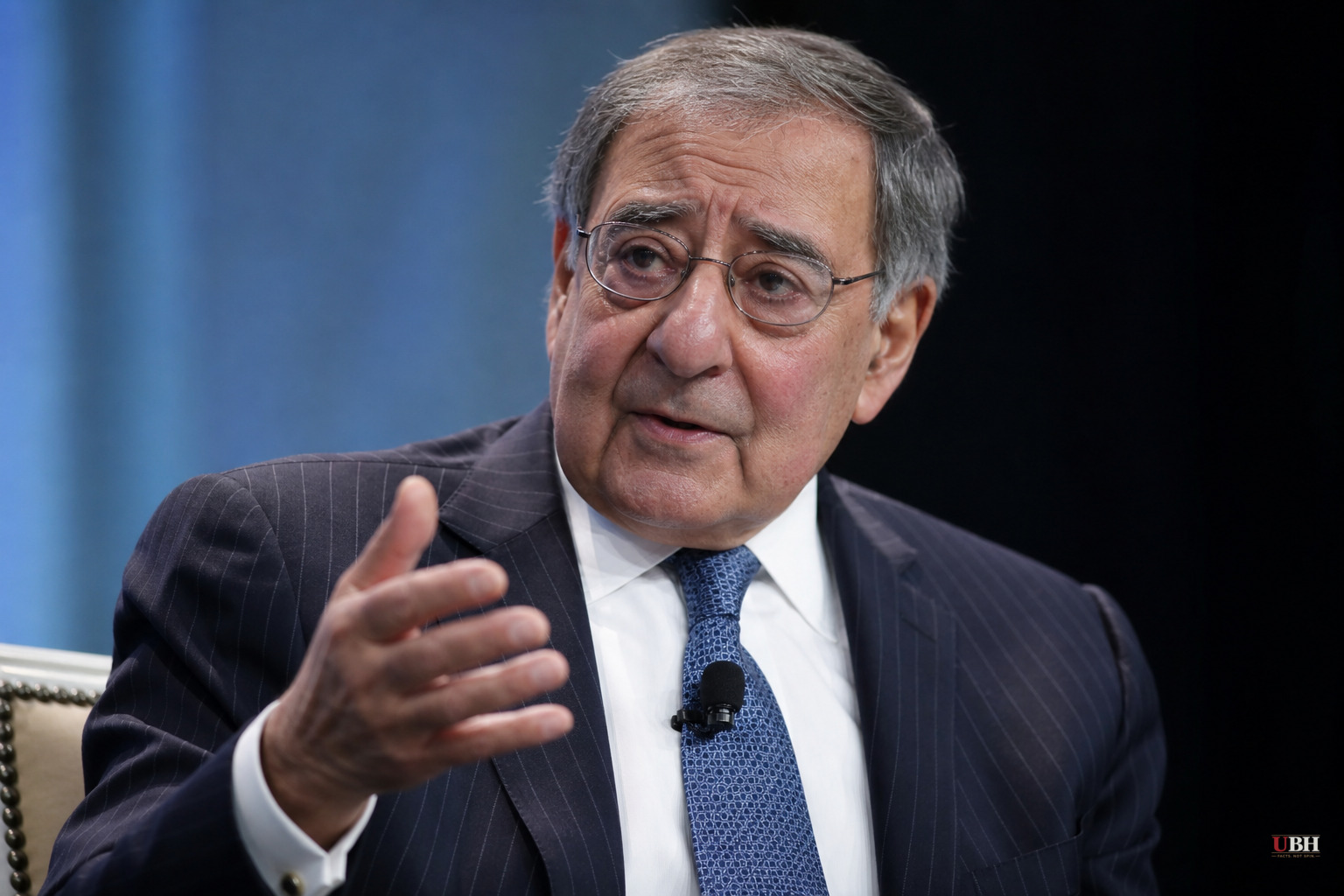
Former Defense Secretary Leon Panetta says the United States is stuck in another war it can't win, this time with Iran.
Panetta told The Hill the current standoff with Iran fits a pattern the U.S. keeps repeating. "Whether it was Iraq, whether it was Afghanistan, or whether it's Iran, we are finding ourselves in unwinnable wars that ultimately consume the United States, hurt our economy, and most importantly, I think, make us look weak to the rest of the world," he said.
Panetta is a former Defense Secretary offering a blunt assessment rooted in experience. He's grouping Iran together with Iraq and Afghanistan as examples of a pattern he sees repeating: conflicts that start with one set of expectations and end up dragging on without a clean finish line.
The Argument For Caution
Panetta's warning deserves consideration. By his own framing, Iraq and Afghanistan both turned into the kind of open-ended commitments he says "consume the United States" and "hurt our economy." That's not a fringe complaint. It's a former Pentagon chief naming a pattern he watched play out from the inside.
If Iran becomes a third version of that story, Panetta's point stands: no clear win condition, no exit strategy, just a slow bleed that saps resources from other priorities.
What's Actually Happened, and What Hasn't
Neither The Hill's reporting nor PressBee's republication of it lays out what specific U.S. military action against Iran Panetta is even referring to, or what escalation he expects. There's no mention of new troop deployments, no vote in Congress, no declared campaign objective from the Pentagon or the White House in either source.
Panetta is making a historical argument, warning against a pattern, more than he's describing a defined ongoing war with battle lines and casualty counts. The Hill's framing, as reflected in both source reports, treats this as a warning about a slide toward conflict, not a report on an active declared war with a stated U.S. objective.
It is fair to say tensions between Washington and Tehran remain serious and unresolved. It is not established, based on these sources, that Congress has authorized a defined military campaign or that there's a formal war footing comparable to what Panetta says happened with Iraq and Afghanistan.
The Counter-Argument
The flip side, which Panetta's comments don't address, is that deterrence sometimes requires exactly the kind of sustained military posture that looks like "forever war" from the outside but is designed to prevent Iran from crossing red lines. Defenders of a firmer stance toward Tehran would argue that walking away, or signaling limits on American resolve, invites the kind of aggression that drags the U.S. into a bigger fight later, not a smaller one.
That's the trade-off any administration faces with Iran: restraint can look like weakness to adversaries, and commitment can look like mission creep to critics like Panetta. Both arguments have a real track record behind them.
What's Missing From the Coverage
Neither The Hill's original reporting nor PressBee's aggregation names a specific policy, strike, or troop movement Panetta was responding to when he made these remarks. Readers looking for the concrete trigger behind his comments won't find it in either source. That's a meaningful omission, because "unwinnable war" as a label means something very different if it's describing an active shooting conflict versus a tense diplomatic and military standoff that hasn't yet escalated into sustained combat.
The open question is simple: what, specifically, is the current U.S. military posture toward Iran, who authorized it, and does it have a stated objective and end state? Until that's answered on the record by the Pentagon or the White House, Panetta's warning is a historical caution, not a report on a defined war already underway.
Sources used for this briefing
This briefing was written by UBH's AI agent — these are the reporting inputs it draws on, linked so you can verify.


