
Unbiased headlines. Facts, not spin.
Unbiased Headlines is an independently owned news organization. We bring you the facts, not opinions, written fresh from 110+ named sources. Sources linked so you can verify it yourself.
 tech
Notable (6/10)
tech
Notable (6/10)
Legal Scholars Tell New York's Top Court: Meta Can't Be Sued Over Buffalo Shooter's Feed Under First Amendment
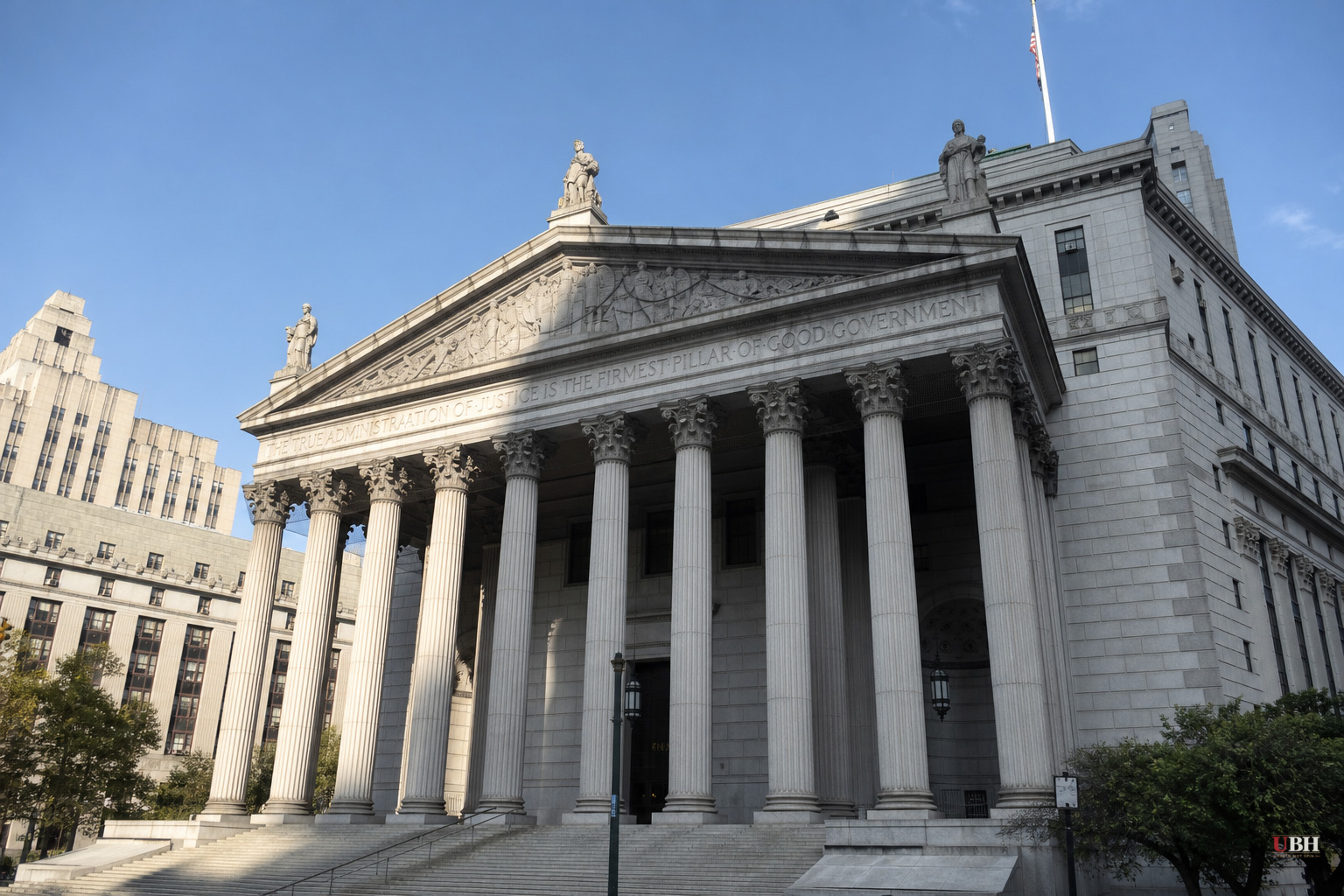
A pending case before New York's highest court is testing whether Meta can be held liable for hosting content that a mass shooter viewed before carrying out one of the deadliest racially motivated attacks in recent U.S. history.
The case is Patterson v. Meta Platforms, Inc., stemming from the May 2022 shooting at a Tops supermarket in Buffalo, New York, where Payton Gendron killed 10 people. Plaintiffs are suing Meta, arguing the company's platform design, including algorithmic content delivery and features they describe as addictive, contributed to radicalizing Gendron before the attack.
UCLA law professor Eugene Volokh and University of Florida law professor Jane Bambauer filed an amicus brief in the case, according to Volokh's own writeup published on Reason. Their argument is narrow but consequential: whatever else Gendron viewed or did, the plaintiffs are not alleging that the content itself was constitutionally unprotected incitement. Without that, they say, the lawsuit collides directly with the First Amendment.
The Core Legal Argument
Volokh and Bambauer's brief leans on a well-established line of Supreme Court precedent. Citing Ashcroft v. Free Speech Coalition (2002) and Hess v. Indiana (1973), the brief notes that the government "may not prohibit speech because it increases the chance an unlawful act will be committed at some indefinite future time." Incitement, as a First Amendment exception, is reserved for speech that meets a narrow, specific legal test, not speech that merely might inspire bad conduct down the road.
The brief's central claim is that there's no separate "addictive speech" exception carved out of the First Amendment. Plaintiffs argue Meta's platform was designed to maximize engagement in ways that manipulated Gendron psychologically. Volokh and Bambauer counter that "engagement-maximizing" techniques are common across nearly all speech products: novels, television series, political speeches, and news programming, all of which are built to hold an audience's attention. Treating that as a legal defect specific to social media, they argue, would open the door to liability for almost any successful media product.
The brief also draws an analogy to religious practice, arguing that if the Free Exercise Clause bars the government from restricting religious rituals on grounds that they "addict" congregants through repetition and engagement, the same logic should bar restricting speech products on similar grounds.
On the question of AI-driven curation, the brief argues the involvement of algorithms doesn't strip content of constitutional protection. It contends the First Amendment protects listeners' rights to receive information "whether the ideas and information are curated exclusively by humans or with the help of computerized algorithms."
What's Actually at Stake
If New York's Court of Appeals allows the lawsuit to proceed on a theory that platform design itself constitutes actionable negligence separate from any specific unprotected content, it could reshape how courts nationwide handle claims against social media companies tied to mass violence, radicalization, or self-harm.
Families of the Buffalo victims argue that Meta's algorithms didn't just host Gendron's radicalization. They contend the platform actively fed and accelerated it, pushing content in a way ordinary human curation or a newspaper editor never could at that scale and speed. Algorithmic amplification is qualitatively different from a bookstore shelf or a TV lineup because it personalizes content in real time based on behavioral data, and critics argue that distinction should matter legally even if it doesn't fit neatly into existing incitement doctrine.
Volokh and Bambauer's brief doesn't dispute that algorithms behave differently than traditional editors. Their argument is that the difference doesn't change the constitutional analysis, because the Supreme Court has consistently protected the right to curate and present speech, and consistently protected the right of listeners to receive it, regardless of the technology used to do the curating.
Where This Goes Next
The case remains pending before the New York Court of Appeals, per Volokh's writeup, with lower court opinions already on record. No ruling has been issued as of this writing.
Either New York's top court accepts that platform design and algorithmic engagement can form the basis of tort liability independent of specific unprotected speech, or it holds, as Volokh and Bambauer argue it must, that absent incitement or another recognized exception, the First Amendment forecloses the claim entirely. Dozens of similar suits against social media companies are working through courts nationwide tied to shootings, suicides, and other harms allegedly linked to platform design. Whichever way New York rules will be closely watched as a bellwether.
Sources used for this briefing
1 link from 1 independent newsroom (syndicated copies of the same report count once)
These are the sources it draws on, linked so you can verify.


