
Unbiased headlines. Facts, not spin.
Unbiased Headlines is an independently owned news organization. We bring you the facts, not opinions, written fresh from 110+ named sources. Sources linked so you can verify it yourself.
 tech
Low Interest (3/10)
tech
Low Interest (3/10)
Disney Plus Begins Testing AI-Powered Search With Small Group of Subscribers
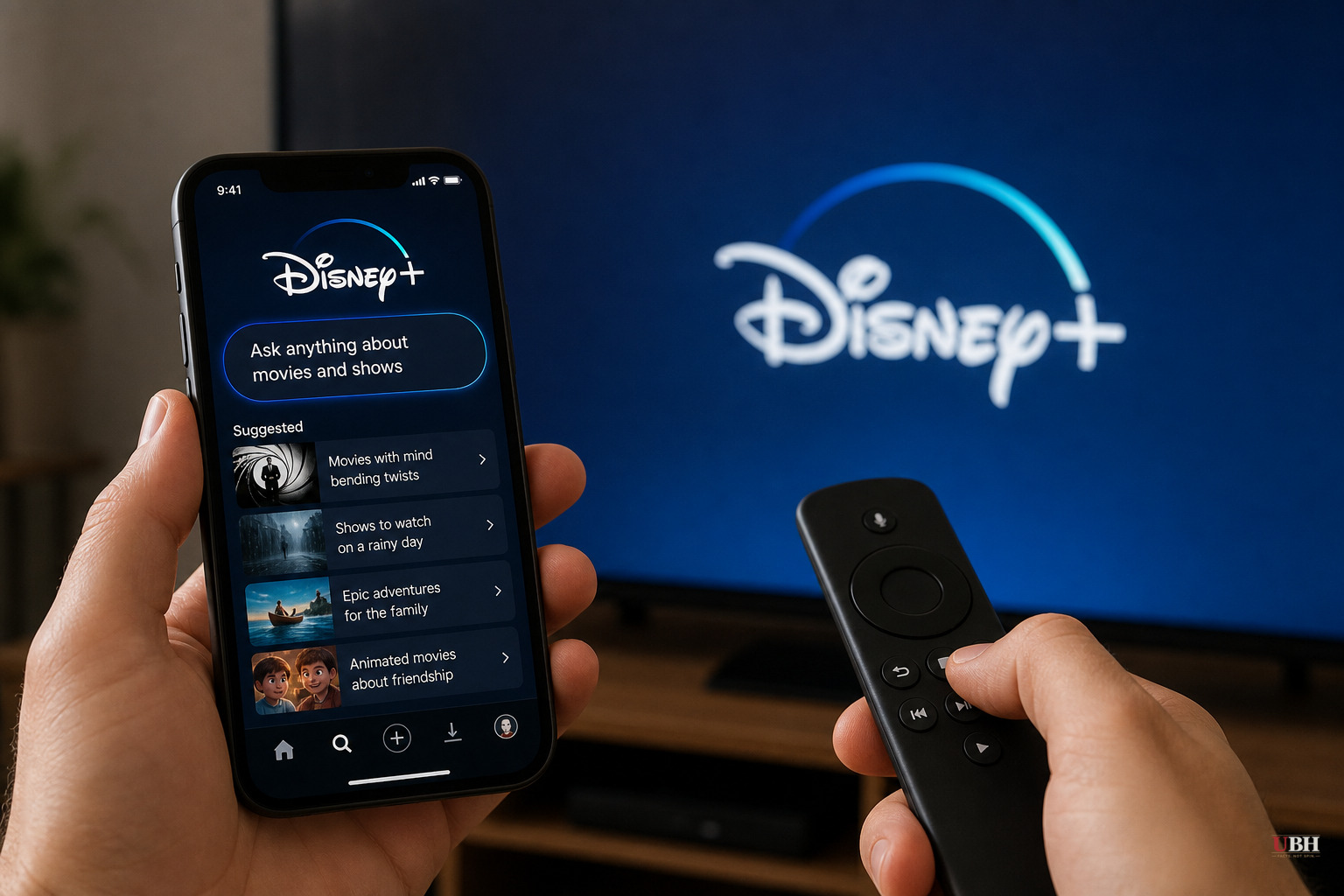
Disney has started testing an AI-powered search tool on Disney Plus that lets a small group of subscribers type a request, speak a voice query, or tap a suggested prompt to generate a custom row of show and movie recommendations, according to The Verge.
The company says the tool is a "limited beta experiment" running with a "small group of select subscribers." Unlike Disney Plus's existing recommendation engine, which relies on a user's viewing history, Disney says this new feature is built to surface content that "fits the moment," meaning it responds to what someone is in the mood for right now rather than just past viewing habits.
Disney is also piloting a separate AI tool for ESPN. Called ESPN Search, it is described by the company as an "AI-assisted" conversational search experience that functions more like a standard chatbot. Users can ask questions and get answers, stats, and recommendations pulled from what Disney calls ESPN's "vast sports knowledge ecosystem." That tool is also in beta with what the company describes as a "subset" of users.
Both tools surfaced this week alongside Disney's latest earnings call, where Disney CEO Josh D'Amaro doubled down on plans to make Disney Plus the "digital centerpiece" of the company, with "increased personalization, exclusivity, and benefits for subscribers." That framing puts the AI search test squarely inside a bigger strategic push, not a standalone gadget.
Disney is late to this, not first
The streaming industry has been racing toward AI-assisted discovery for more than a year. Netflix started testing an OpenAI-powered conversational search tool last year and also has a native voice search feature. Last week, Warner Bros. Discovery announced it is experimenting with a similar "conversational search experience" for HBO Max. Peacock has gone further into novelty territory, recently adding an AI Andy Cohen that narrates Bravo clips.
Disney's entry is catching up to competitors who moved first. Subscribers have been frustrated for years by clunky, algorithm-only recommendation rows that recycle the same handful of titles. A tool that actually understands "I want something funny but not dumb" or "something like Andor but shorter" would be a usability upgrade if it works as advertised.
Why this is happening now
The push isn't charity. Streaming services are sitting on enormous, sprawling catalogs, and the harder it is for a subscriber to find something to watch, the more likely that subscriber cancels. Disney, like Netflix and Warner Bros. Discovery, is under pressure to keep subscribers engaged and paying. A search tool that can quickly serve up something watchable is a retention play as much as a convenience feature.
Disney has not published data on accuracy rates or user satisfaction for its beta, and because the tool is limited to a small, unnamed group of subscribers, there's no independent way yet to verify how well it performs.
Disney has not said when, or whether, the AI search tool and ESPN Search will roll out broadly, what data the tools use to generate results, or whether the features will remain free additions to existing subscription tiers. The company also hasn't disclosed which AI model or vendor powers either tool.
For now, both features remain limited betas. The real test comes if and when Disney expands them past a "small group" and "subset" of users to the platform's full subscriber base, at which point performance, accuracy, and whether the tool actually saves people time will get judged by everyone, not just a hand-picked testing pool.
Sources used for this briefing
1 link from 1 independent newsroom (syndicated copies of the same report count once)
These are the sources it draws on, linked so you can verify.


