
Unbiased headlines. Facts, not spin.
Unbiased Headlines is an independently owned news organization. We bring you the facts, not opinions, written fresh from 110+ named sources. Sources linked so you can verify it yourself.
 tech
Major Story (7/10)
FCC Blocks Dashboard Camera and Video Transmitter Over Huawei Subsidiary's Chips, Its First Use of New Rules
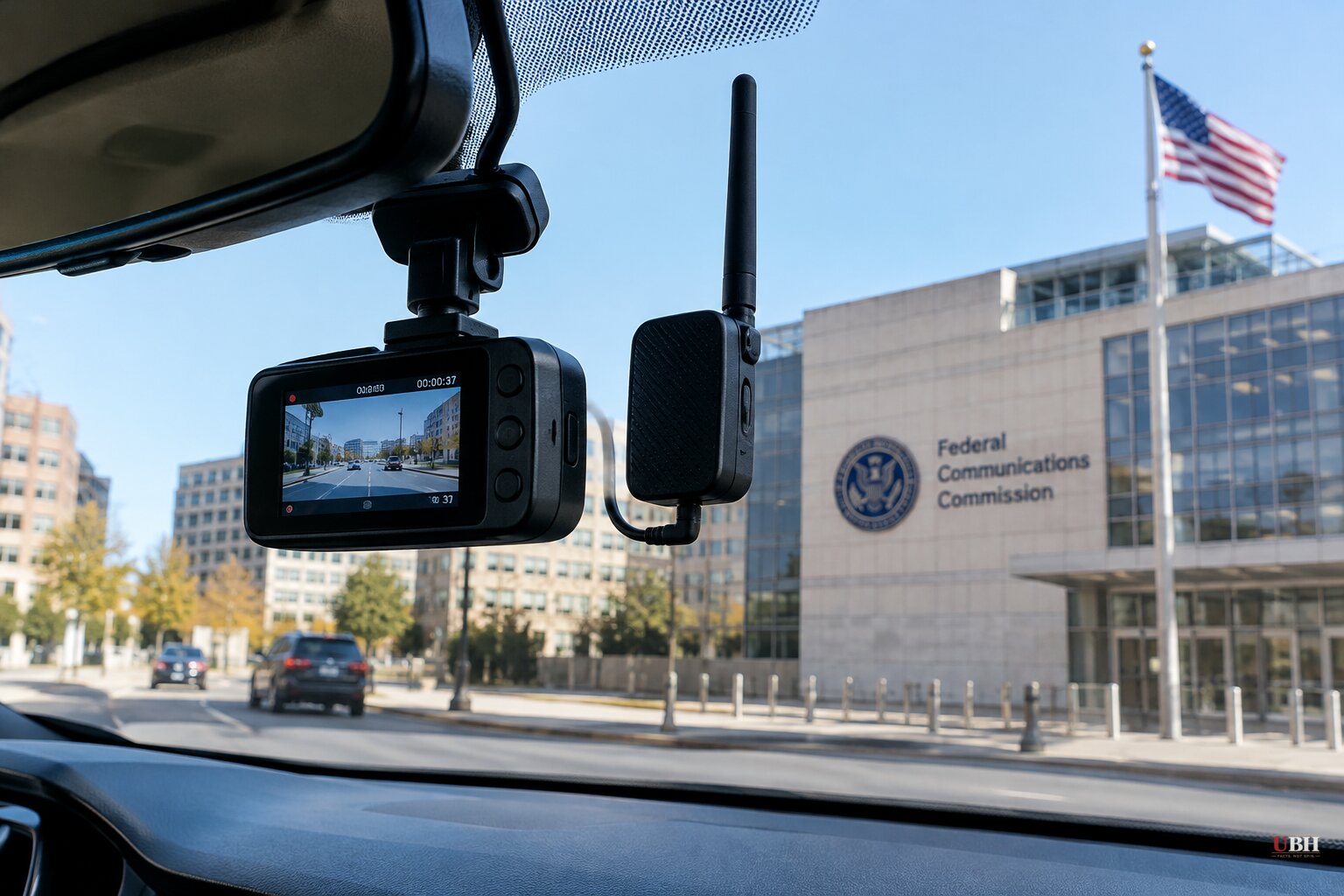
Since the FCC voted in July to bar devices containing key hardware from companies on its national security list, and the rules took effect Oct. 13, the agency had not publicly used them. On Thursday, Oct. 22, it did.
The FCC said it prevented two devices, a dashboard camera and a wireless video transmitter, from being marketed or sold in the United States. Both contain a chip made by HiSilicon, a subsidiary of Huawei. Huawei is on the FCC's Covered List.
What the FCC says is wrong with the chip
The agency points to HiSilicon's own marketing. The company advertises the chip as "designed for the surveillance market" with "built in detection algorithms for human faces," the FCC said.
The Verge, citing the agency's description, identified the part as the Hi3516CV610, a system-on-chip that turns a raw camera sensor into a security camera, dashcam or similar product. Listings The Verge viewed on AliExpress show it sold in bundles with a Sony camera sensor and sometimes a lens.
FCC Chairman Brendan Carr said in a statement: "Video devices containing surveillance chips produced by Covered List entities pose an obvious and unacceptable risk to the nation and our people."
He also credited the FCC's Office of Engineering and Technology for "preventing this potential spyware from obtaining the approvals necessary for marketing and sale in the U.S." and added: "We will continue to act aggressively to enforce our rules and secure American networks."
What the new power does
The rules bar authorization of devices that contain smart components made by entities on the Covered List. That reaches past the big-name equipment makers to parts buried inside another company's product.
The Verge noted the FCC has been widening its authority in steps. It previously gave itself power to retroactively ban gadgets and to block modular radio transmitters.
The Trump administration has mounted a broad crackdown on Chinese technology gear. Beijing's reach into American homes and vehicles through cheap camera hardware is a legitimate security concern, and Huawei's place on the Covered List predates this action.
The open questions
The FCC has not named the two devices, their brands, their manufacturers or how many were headed for American buyers. It has not said whether any units were already on the market.
Huawei did not immediately respond to a request for comment. HiSilicon could not be reached.
The Verge's Sean Hollister raised the skeptical question directly, asking whether the FCC is "keeping people safer, or just picking winners and losers while making a show of enforcement." He wrote that the agency has not agreed to discuss its efforts despite repeated requests.
The agency's stated test is the chip's maker and its advertised function, not any finding that these two devices spied on anyone. The FCC's public notice makes no claim of an actual intrusion or data theft. Face-detection features are common in ordinary consumer electronics, which is why the maker's presence on the Covered List carries the weight of the decision.
That gap is where the policy will be tested. Carr has promised more enforcement, and the next actions will show whether the FCC names products and companies or keeps blocking unnamed gadgets one at a time.
The FCC says Oct. 22 was the first use of the power, not the last. Which devices come next, and whether the agency will say so publicly, is not yet known.
Sources used for this briefing
7 links from 6 independent newsrooms (syndicated copies of the same report count once)
These are the sources it draws on, linked so you can verify.


