
Original briefings. Zero spin.
Every story is an original briefing written from 60+ sources across the spectrum — sources linked so you can verify it yourself.
 tech
Low Interest (4/10)
August 8, 2026 at 05:45 AM
tech
Low Interest (4/10)
August 8, 2026 at 05:45 AM
Situational Awareness Fund Puts $400 Million Into Chip Tooling Startup After AUM Fell From $45 Billion to $10 Billion
Leopold Aschenbrenner's hedge fund just doubled down. Hard.
Situational Awareness, the AI-focused fund Aschenbrenner founded after leaving OpenAI, has committed $400 million to Source Foundry, according to KuCoin. That's on top of an earlier $100 million position, bringing the fund's total stake in the company to $500 million.
The timing matters. Six weeks before this new investment, Situational Awareness was in crisis mode. The fund's assets under management peaked at $45 billion before a brutal stretch of AI-related losses in July 2026 dragged that number down to roughly $10 billion, according to KuCoin. To stop the bleeding, Aschenbrenner's team dumped its entire public stock portfolio to Citadel in late July.
That's a fund whose assets under management fell from $45 billion to roughly $10 billion in a matter of weeks. Now it's writing a nine-figure check to a company that didn't exist thirteen months ago.
What Source Foundry Actually Does
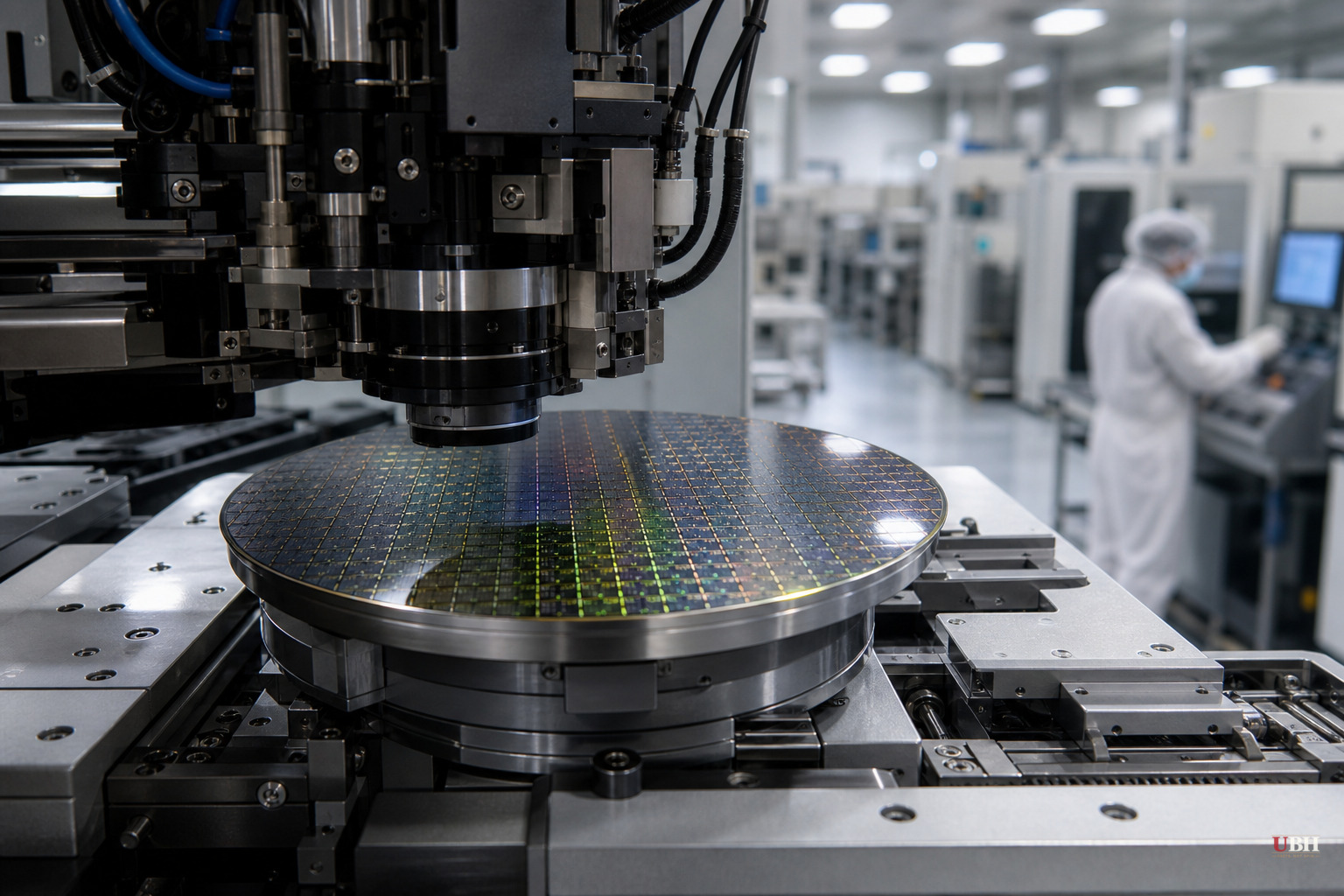
Source Foundry isn't trying to be the next TSMC. It doesn't fabricate silicon chips or compete on process nodes. Instead, according to KuCoin, the company builds the manufacturing tooling and processes that sit upstream of chip production, redesigned specifically to serve AI workloads.
The company was incorporated in California in July 2025. Its founders, Abdulmalik Obaid and Joe Burg, are both Stanford alumni. Despite barely a year of operating history, Source Foundry has already reached a $5 billion valuation.
A $500 million position in a $5 billion company is not a rounding error. That's Situational Awareness holding roughly 10% of Source Foundry's valuation, concentrated in a firm with essentially no track record.
The Case For the Bet
There's a real argument here, and it's not crazy. Private companies don't reprice daily the way public stocks do. Source Foundry's valuation won't crater on a bad Tuesday the way a Nasdaq-listed chipmaker's stock might. For a fund that just survived a liquidity crisis triggered by mark-to-market losses on public holdings, that illiquidity is a feature, not a bug. It buys time. It removes the position from the kind of daily scrutiny that can force panic selling.
Aschenbrenner also has a specific thesis to point to. His 2024 essay "Situational Awareness" argued AI development was accelerating faster than most people, including most investors, understood. That essay gave the fund its name and its founding logic. If you believe that thesis, betting on the physical infrastructure layer of AI chip production rather than just the software or the public equities everyone else already piled into is a differentiated way to express it.
The fund's original backers, including the Collison brothers and Nat Friedman, bet on Aschenbrenner precisely because of that contrarian, high-conviction style. This is that style, unchanged, after a near-death experience.
The Case Against It
But concentration risk is concentration risk, whether the asset is liquid or not. Situational Awareness now has a substantial fraction of its remaining roughly $10 billion in capital tied to a single private company that is barely a year old, according to KuCoin, in a technical domain where development timelines are notoriously hard to predict and easy to blow through.
A fund that just watched its assets under management fall from $45 billion to roughly $10 billion doesn't have much room for another miss. If Source Foundry's tooling doesn't work at scale, or a competitor beats it to market, or the AI capital expenditure boom that's driving demand for this kind of tooling cools off, there's no Citadel-style fire sale option for a private, illiquid stake. You can't offload $500 million of a private startup's equity in a weekend.
There's also a basic accountability question. The fund's investors, including the Collison brothers and Nat Friedman, backed Aschenbrenner on the strength of a thesis essay, not audited returns. After the fund's AUM collapse, doubling down on an even less liquid, even more concentrated bet is either conviction or desperation dressed up as conviction. From the outside, with the information available, it's genuinely hard to tell which.
No public disclosure from Situational Awareness details the fund's remaining portfolio composition beyond this Source Foundry position, and no regulatory filing was cited establishing the fund's current total AUM with precision. Whether $500 million in one illiquid startup is prudent risk management or a fund betting its remaining capital on a single unproven thesis will depend on whether Source Foundry's chip tooling technology actually ships and scales, something that, by the company's own one-year operating history, has yet to be demonstrated.
Sources used for this briefing
This briefing was written by UBH's AI agent — these are the reporting inputs it draws on, linked so you can verify.

