
Unbiased headlines. Facts, not spin.
Unbiased Headlines is an independently owned news organization. We bring you the facts, not opinions, written fresh from 110+ named sources. Sources linked so you can verify it yourself.
 economy
Notable (6/10)
Lecornu moves French minimum wage hike up to Dec. 1: €24 more a month, and unions call it 'crumbs'
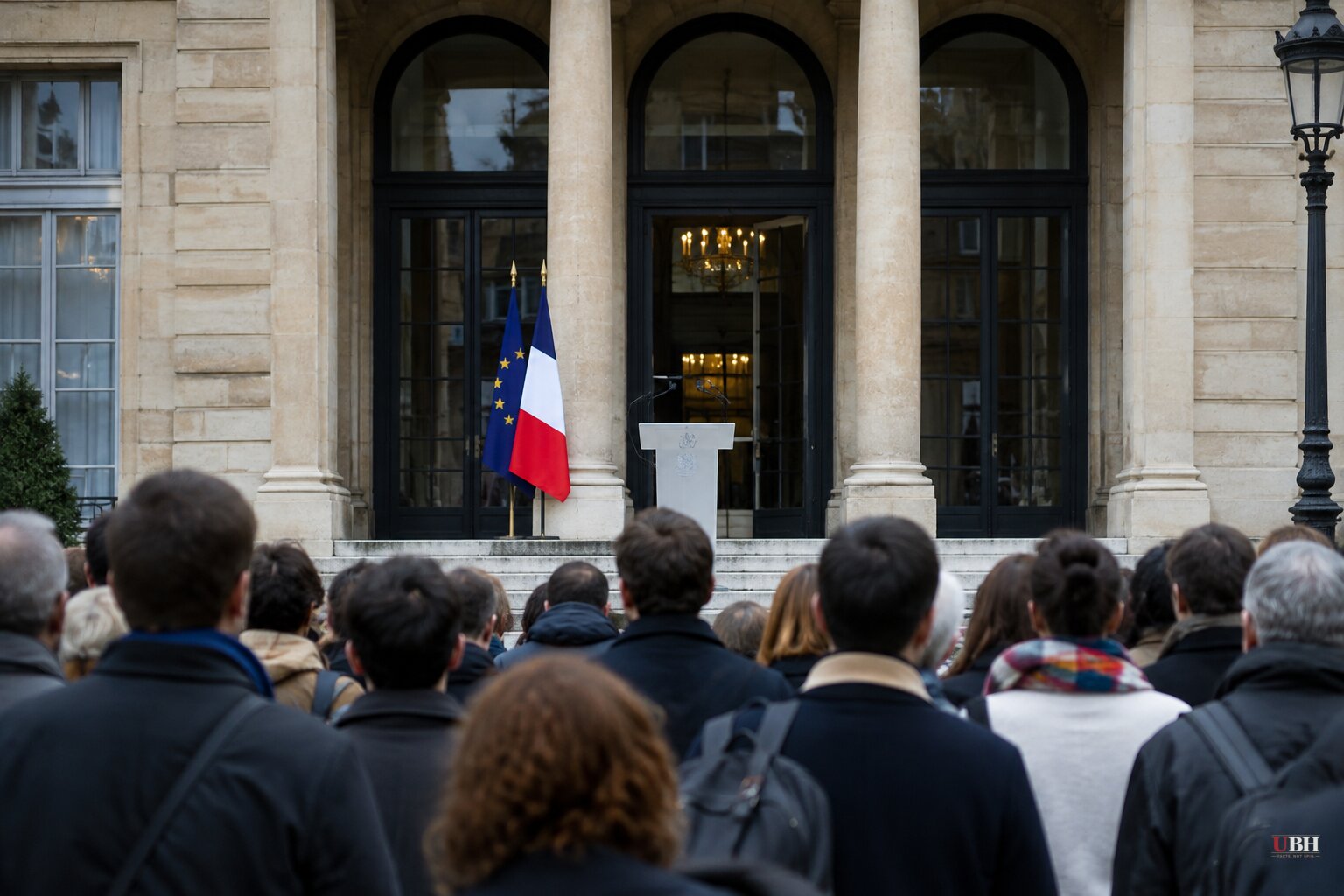
French Prime Minister Sébastien Lecornu announced Monday, Nov. 9, that the national minimum wage will rise 1.6% on Dec. 1, a month earlier than the usual Jan. 1 adjustment. Net pay at the minimum will reach about €1,502 a month, up €24. A decree is due shortly.
Labour Minister Jean-Pierre Farandou laid out the figures at a press conference after Lecornu met union and employer federations at Matignon. The minimum wage has been at its current level since June, when it was raised by €35 to reflect inflation.
"This is the second-biggest increase in 20 years, so it should not be held in contempt," Lecornu told journalists.
What else is on the table
The government paired the wage move with tax measures aimed at employers worried about labour costs. Overtime income up to €10,000 will be exempt from income tax. Employer contributions to public transport costs will be exempt. So-called value-sharing bonuses, sometimes called the "Macron bonus," will be tax free.
Lecornu also announced a reform project on general reductions in social security contributions, with the stated aim of raising the net salary workers take home. A new round of pay talks is to run across roughly a hundred professional sectors, with the state acting as guarantor of commitments between employees and employers.
"Raising the minimum wage is not enough, but it has a major benefit: it kicks off a cycle of discussions on pay rises," Lecornu said.
Asked why the government took so long to respond, he pushed back on the premise. "I no longer believe in headline-grabbing announcements... I even think they are killing us," he said.
Unions say it falls short
The unions did not take the deal. The CFDT, France's largest union, had asked for a €100 increase. The CGT had demanded 10%, around €150 a month.
CFDT head Marylise Léon called the increase "insufficient." CGT head Sophie Binet called it "crumbs" and said: "We didn't come here to beg for alms." Binet called for new protests on Nov. 17.
The unrest behind the announcement
The protests began in September in high schools over underfunded schools and have widened into anger over living costs, public services and political stagnation. Riots on Oct. 17 caught security forces off guard.
On Nov. 5, the Interior Ministry counted 575,000 demonstrators nationwide during a strike for higher wages and pensions, 65,000 of them in Paris. The CGT put turnout at 1.6 million. By that evening the ministry reported 448 arrests and 53 police officers and gendarmes injured; the arrest figure was later given as 642. In Lyon, where several hundred black-clad rioters marched at the head of a 30,500-strong crowd, the prefecture reported 40 people injured, 34 of them police.
On Saturday, Nov. 7, authorities banned a Yellow Vests rally at Place de la Concorde, and about 70,000 police were deployed nationwide. Yellow Vests coordinators Benjamin Ball and Azelma Sigaux were arrested that afternoon, AFP reported. Ball had called for "mass disobedience."
The police response has drawn its own complaints. Dozens of internal investigations have been opened into alleged brutality against demonstrators. Reporters Without Borders recorded 40 cases of journalists obstructed by security forces, 21 involving physical violence.
The budget and the ballot box
France combines one of Europe's highest minimum wages with one of the largest shares of workers paid at or near it. Eurostat data show the minimum wage equalled 67% of average earnings in 2024. About 12.7% of French employees earn at or near the minimum, against 8% in Germany and 3.5% in the Netherlands.
That means every adjustment ripples through labour costs for a large slice of French employers. It also means the government has little room to give more, given its mounting debt burden.
Politics adds pressure. The presidential election is five months away. Polls currently suggest Marine Le Pen, the frontrunner, will face hard-left rival Jean-Luc Mélenchon in a run-off. President Emmanuel Macron leaves office in May 2027.
The decree formalising the Dec. 1 increase has yet to be published. The test of Lecornu's approach comes on Nov. 17, when the CGT has said it will bring people back into the streets.
Sources used for this briefing
7 links from 7 independent newsrooms (syndicated copies of the same report count once)
These are the sources it draws on, linked so you can verify.


