
Unbiased headlines. Facts, not spin.
Every story is an unbiased news briefing written from 110+ sources across the spectrum — sources linked so you can verify it yourself.
 defense
Major Story (7/10)
June 24, 2026 at 11:55 AM
defense
Major Story (7/10)
June 24, 2026 at 11:55 AM
Lebanon and Israel Open Fifth Round of Washington Talks as US-Iran Channel Complicates Who Is Actually Negotiating
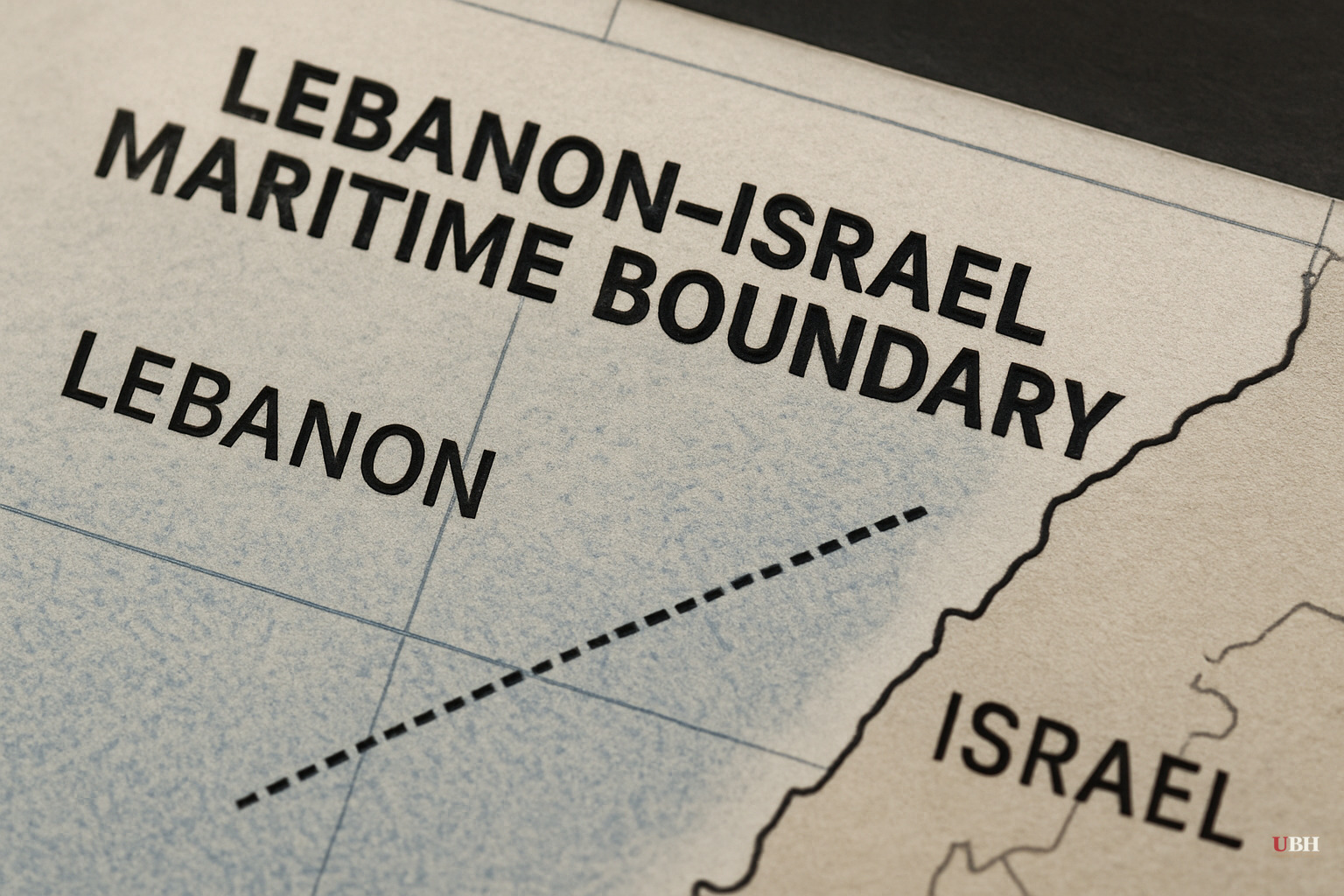
Since the Lake Lucerne talks produced a US-Iran memorandum and a Swiss-brokered de-confliction framework earlier this month, the Washington negotiations between Lebanon and Israel have been operating under a fundamentally altered landscape. The fifth round of direct talks opened Tuesday in Washington, according to Middle East Eye, with three days of negotiations scheduled.
Four Rounds, No Ceasefire
Four previous rounds since April have not produced a durable halt to fighting or closed the gap between the two sides. Lebanon is pressing for a concrete Israeli withdrawal timetable, the return of hundreds of thousands of displaced citizens, the release of Lebanese prisoners, and the start of reconstruction funding. Israel's stated position, also reported by Middle East Eye, is that any withdrawal depends on Hezbollah's disarmament and that Israeli forces will hold a security zone in southern Lebanon until Israel is satisfied the Lebanese army can prevent Hezbollah from rebuilding its military infrastructure.
Those two positions have not moved meaningfully across four rounds. Nothing in the current sources suggests round five starts from a different baseline.
Sovereignty vs. Reality
Lebanese President Joseph Aoun has been explicit: "We welcome any assistance to end the war, but we are a sovereign country and no one negotiates on our behalf." Middle East Eye reports that Lebanese officials have framed the decision to enter direct talks as a historic reclamation of state authority over foreign and security policy, citing Article 52 of Lebanon's constitution, which assigns the president responsibility for negotiating international treaties in coordination with the prime minister, with any final deal requiring cabinet and potentially parliamentary approval.
The strongest counter-argument to that framing deserves serious attention. Lebanon entered these direct negotiations, according to sources familiar with the decision cited by Middle East Eye, under significant US pressure, and did so even as Israeli strikes and ground operations in southern Lebanon continued. If Beirut had real leverage over the process, it would have insisted on the ceasefire-first sequencing that Aoun previously demanded. The fact that talks proceeded without it suggests a genuine constraint on Lebanese sovereignty.
The emergence of the Swiss channel sharpens that question. The US-Iran memorandum placed the Lebanese conflict inside a broader regional ceasefire framework, and the Lake Lucerne talks produced a de-confliction mechanism specifically for the Israel-Hezbollah front. Decisions affecting Lebanon are now being shaped in a forum where Lebanon is not the principal party. Aoun's sovereignty language has not changed, but the diplomatic architecture around him has.
Hezbollah's Accusation
On the military side, Hezbollah accused Israel of using ongoing strikes to undermine the ceasefire understanding, not just to conduct routine security operations. "These attacks are intended to sabotage the existing understanding and increase instability along the border," a Hezbollah spokesperson said, according to Brussels Morning Newspaper.
Israel's stated position is the opposite: its operations target Hezbollah infrastructure and are defensive measures to protect northern Israeli communities, not violations of any existing understanding.
Brussels Morning Newspaper's June 20 report describes the border situation as "highly volatile" even compared with the reduction in large-scale fighting over prior months, with military analysts warning that limited exchanges carry escalation risk given the strategic stakes in southern Lebanon. That framing is consistent with the pattern from previous rounds, where the longest sustained lull in Israeli bombing came only after the US-Iran memorandum, not after any of the four Washington negotiating rounds.
The Broader Context
Some coverage of the border tensions lacks sufficient detail. The question of whether Hezbollah's accusation is a tactical move to shift pressure ahead of the fifth round of talks, or a genuine signal that the ceasefire understanding is deteriorating, remains unresolved. Those are very different things, and the distinction matters for understanding the negotiating moment.
The Unresolved Question
The concrete test for round five is whether Lebanon can extract a withdrawal timetable from Israel without first accepting Israel's Hezbollah-disarmament precondition, and whether the US-Iran track will produce enough top-down pressure to move either side. Middle East Eye notes that the longest pause in Israeli strikes came after Washington and Tehran signed their memorandum, not after any bilateral Lebanon-Israel session. If that pattern holds, the five rounds of direct Washington talks may ultimately be the secondary forum, not the primary one, regardless of what Aoun says about sovereignty.
Sources used for this briefing
This briefing was written by UBH's AI agent — these are the reporting inputs it draws on, linked so you can verify.


