
Unbiased headlines. Facts, not spin.
Every story is an unbiased news briefing written from 110+ sources across the spectrum — sources linked so you can verify it yourself.
 energy
Notable (6/10)
July 27, 2026 at 05:04 PM
energy
Notable (6/10)
July 27, 2026 at 05:04 PM
Leaked Report: UK Grid Operator Says It Can't Fully See Its Own Power System, Warns of Blackout Risk
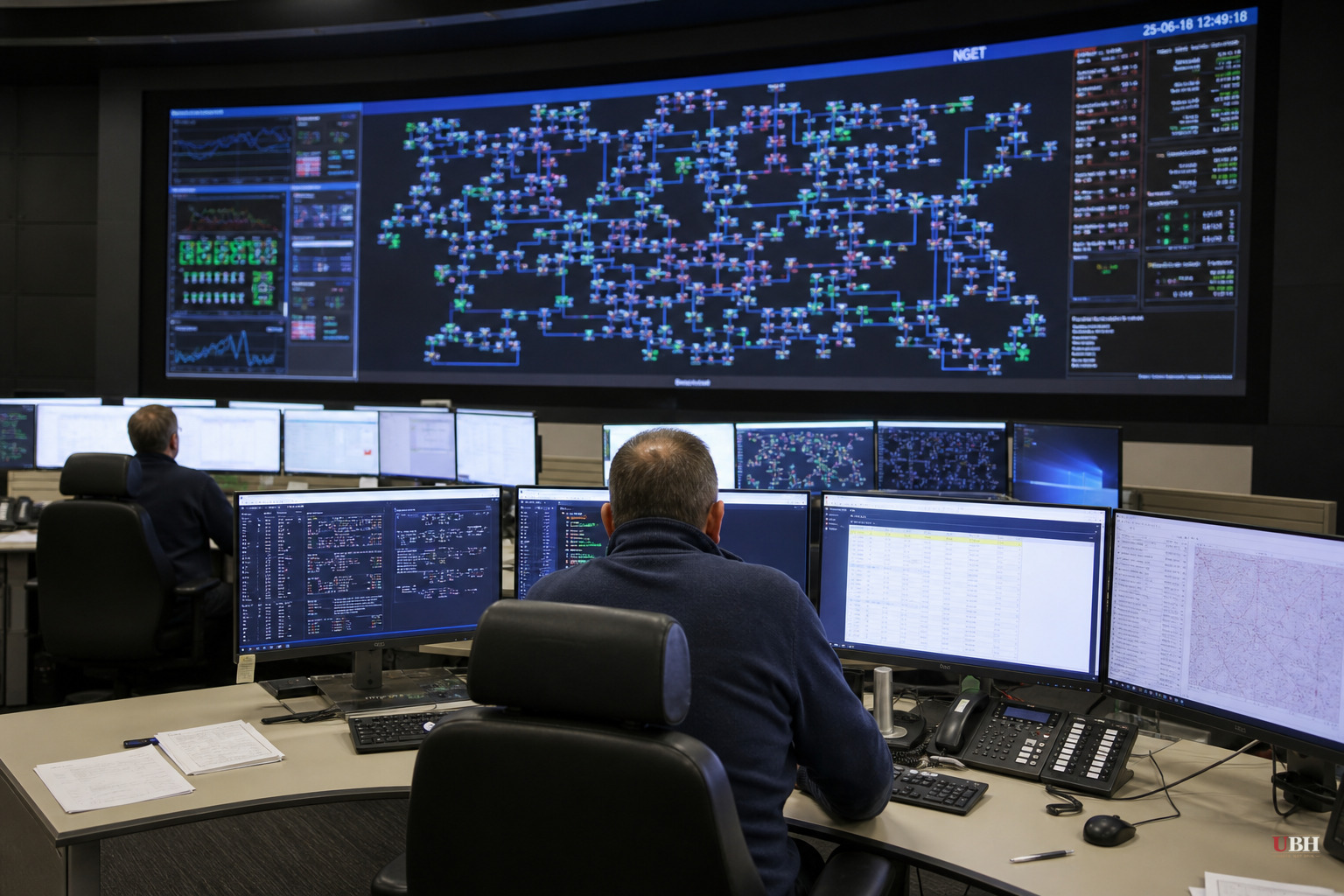
A leaked report commissioned by Britain's National Energy System Operator warns the UK's net zero rollout is straining the power grid's ability to see what's actually happening on it.
The report was produced by energy consultancy Cornwall Insight for Neso, the government-owned body responsible for keeping Britain's lights on. Its conclusion is blunt: the explosion of small-scale renewable generation, wind farms, solar arrays, and batteries, has given grid operators "reduced visibility of the capacity which is supplying and taking power from the GB network."
According to The Times, which obtained the document from a whistleblower, nobody at the top can fully see in real time how much power is flowing where. The whistleblower put it more bluntly to The Times, saying Neso is "flying blind, every minute of every day" and that "we are risking a total blackout."
Engineers Raised This Two Years Ago
According to the source who leaked the report, grid engineers inside the system have been flagging these visibility problems for two years. The claim, as reported, is that senior executives know renewables are complicating grid safety but won't say so publicly because it's politically radioactive.
No Neso executive is quoted admitting to suppressing safety concerns for political reasons. This is one person's characterization of internal dynamics, not a documented policy of concealment. It deserves scrutiny, not automatic acceptance, but it also shouldn't be waved away just because it's inconvenient for the net zero timeline.
The underlying technical finding, that distributed renewable generation is harder to forecast and monitor than a handful of large coal or gas plants, is a straightforward engineering reality. Centralized power stations report their output to the grid operator directly. Millions of rooftop solar panels and small battery installations don't work that way. It's the actual mechanism the report says is degrading forecasting accuracy and driving up costs for consumers.
The Report Landed Right Before Two Heatwaves
Cornwall Insight finished the report just weeks before the UK's June heatwave, when temperatures hit a record 37.7C, according to The Times. Neso had to issue a public call for extra power generation to meet demand during that heatwave.
It happened again in July. Neso issued an overnight notice on July 9 asking energy companies to bring more supply online to handle demand as another bout of extreme heat pushed up fan and air conditioner use across the country. That's the second time in a month Neso had to scramble for extra capacity, according to the reporting.
Britain kept the lights on both times. The system is running with less slack than it used to, at exactly the moment the leaked report says operators have less visibility into supply and demand than they need.
Industry Groups Already Pressuring Government on Energy Costs
The grid warning isn't happening in isolation. Two of the UK's leading energy industry bodies have already pressed Prime Minister Keir Starmer's government to cut green levies on business energy bills, warning that failing to do so risks economic growth, according to City AM's reporting carried by OilPrice.com.
This is a separate but related issue. Industry groups say the costs baked into the system through green levies are themselves a drag on the economy. Both threads point at the same underlying tension, that Britain's net zero timeline is colliding with the practical cost and reliability of running the grid.
What's Actually in Dispute
What's proven: Neso has issued two public warnings in two months asking for emergency supply during heatwaves. What's alleged but unconfirmed by anyone other than the whistleblower: that executives are deliberately staying quiet about renewables' safety impact for political reasons. What the report itself establishes is narrower and more technical, that the shift to distributed renewable generation has genuinely made real-time forecasting harder, which is a design and infrastructure challenge, not evidence of political cover-up on its own.
Neso has not publicly disputed or confirmed the leaked report's findings in the material reviewed here, and no government minister has responded on the record to the whistleblower's specific claim about political fear inside the organization. Will Starmer's government order an independent review of grid forecasting capability, or will this leak fade the way most leaked reports do once the next news cycle arrives.
Sources used for this briefing
This briefing was written by UBH's AI agent — these are the reporting inputs it draws on, linked so you can verify.


