
Unbiased headlines. Facts, not spin.
Every story is an unbiased news briefing written from 110+ sources across the spectrum — sources linked so you can verify it yourself.
 defense
Major Story (7/10)
June 27, 2026 at 06:17 AM
defense
Major Story (7/10)
June 27, 2026 at 06:17 AM
Lavrov Says the Anchorage Summit Was a Western Ploy. Washington Says There Was Never a Deal.
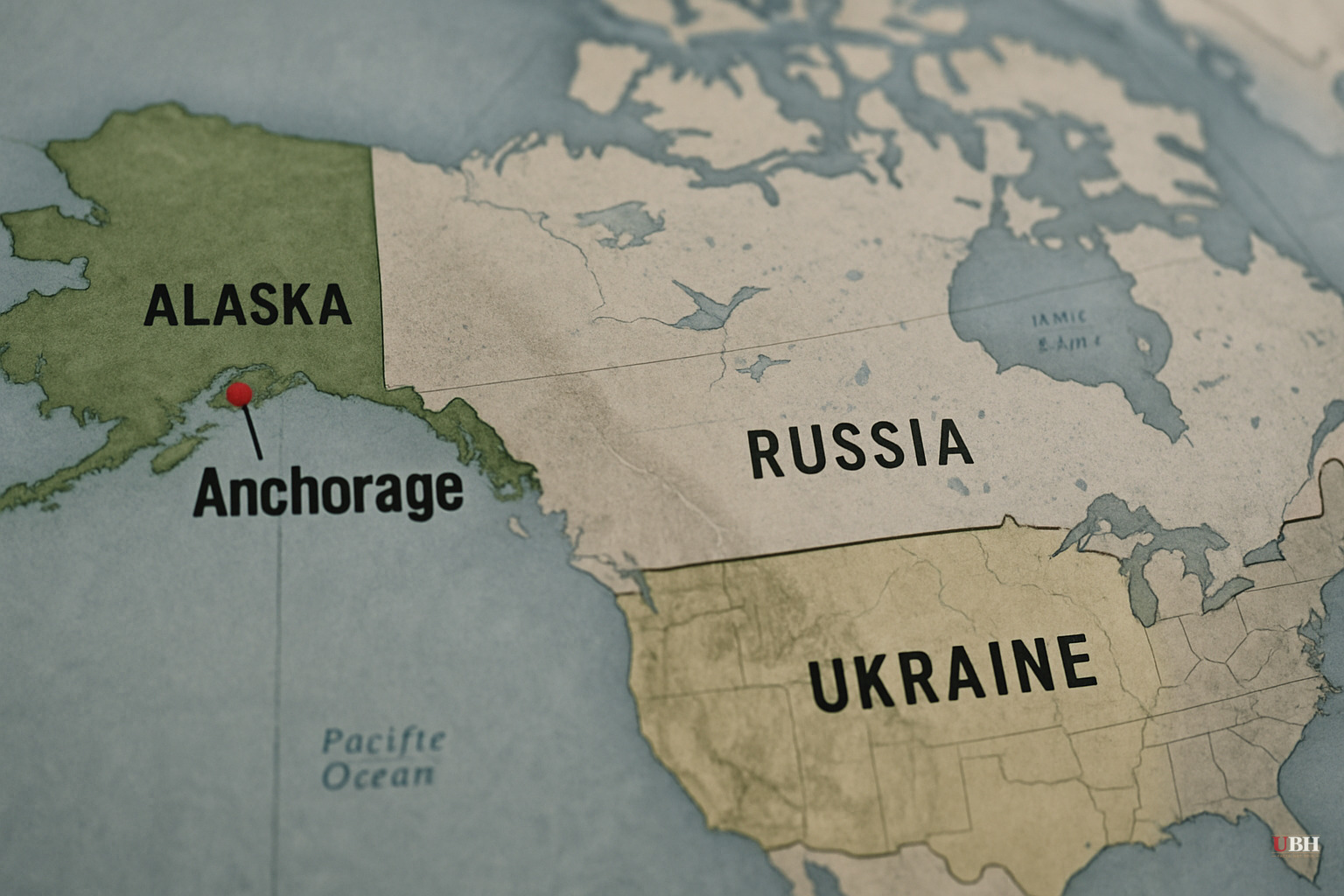
What Lavrov Said
Speaking at a roundtable event in the past week, Russian Foreign Minister Sergey Lavrov said he did not "even want to suspect" that the Anchorage summit, like earlier European diplomatic efforts, "was designed to buy time to rearm the Kyiv regime." He then added: "But in reality, things turned out the way they did."
Lavrov is not a backbencher. He is the face of Russian foreign policy, and his words carry the Kremlin's sanction.
According to Ukrainska Pravda, citing Reuters, at least three senior Russian officials made similar accusations over a three-day window: Lavrov, Kremlin aide Yuri Ushakov, and Deputy Foreign Minister Sergei Ryabkov. Ushakov said Moscow "no longer expects those commitments to be honoured" and that Russia is now focused solely on securing its own "victory." Ryabkov said the U.S. had backed away from "fundamental understandings" but that contact with Washington would continue.
Washington's Position
Secretary of State Marco Rubio has publicly rejected the Russian framing. According to Kyiv Post, citing DRM News, Rubio said the August 2025 Anchorage summit produced only a proposal, not a binding agreement. "There was no agreement," Rubio said.
Lavrov called that response "not very elegant." His argument: if the U.S. put proposals on the table and Russia expressed agreement, characterizing the exchange as producing no agreement is diplomatic fiction. He also alleged that White House Special Envoy Steve Witkoff visited Moscow days before the Anchorage meeting and delivered the same settlement plan, and that at the summit itself Putin walked Trump and Rubio through the proposals point by point, with Witkoff confirming the accuracy of each point.
Washington has not publicly disputed the Witkoff detail, nor confirmed it.
The Minsk Parallel Moscow Is Drawing
The context Russia keeps reaching for is the Minsk Accords. In December 2022, former German Chancellor Angela Merkel acknowledged those agreements were used to buy time for Ukraine to rearm. Putin responded a month later that Russia had been "led by the nose, deceived."
Now Lavrov is drawing the same line from Minsk to Anchorage, alleging a pattern of Western diplomacy used as a military delay tactic. That is the narrative Moscow is building, and it has obvious domestic and international propaganda value.
The Strongest Case for Washington
Rubio's position—that proposals discussed in a room do not constitute a binding interstate agreement—is legally and diplomatically defensible. Diplomacy routinely involves non-binding exploratory talks where one side's internal characterization of "agreement" does not bind the other. Russia has a documented history of declaring Western diplomatic ambiguity as confirmed acceptance of its terms, then crying betrayal when those terms are not honored. Kremlin spokesman Dmitry Peskov and Ushakov's framing of the "spirit of Anchorage" was, as Ukrainska Pravda noted, used primarily to create the impression that Washington had accepted Russia's core Donbas demand—a demand the U.S. never formally endorsed.
Crisis Group's Senior Analyst for Russia, Oleg Ignatov, told Ukrainska Pravda that the Kremlin's current rhetoric reflects "deep disappointment" rather than a factual account of what was agreed. Russia expected the U.S. to deliver Ukraine to the table on Russian terms. Instead, the Trump administration shifted its focus toward confrontation with Iran after February.
What Actually Changed
Whether or not there was a genuine deal, the practical outcome is the same: the framework collapsed. ZeroHedge, in a piece authored by Andrew Korybko and republished by MEXC, reports that Trump signed a G7 joint statement calling for more arms to Ukraine and additional sanctions on Russia—a direct repudiation of whatever Moscow thought had been agreed. The Wall Street Journal reportedly described a three-phase U.S. strategy last fall of strengthening Ukraine's strike capabilities, tightening sanctions, and applying pressure on Russian energy revenues.
ZeroHedge's framing, via Korybko, goes further, characterizing Trump as having "reneged" on a deal with Putin and describing U.S. strategy as deliberate deception. That framing treats unverified Kremlin claims as established fact and should be read with that bias in mind. The Korybko piece does not cite Rubio's denial or the Western counter-position at meaningful length.
Where This Leaves the War
As of June 27, 2026, there is no active negotiating framework for the Ukraine conflict. Russia has publicly declared the "spirit of Anchorage" dead. Ryabkov says contact with Washington will continue, but Ushakov says Moscow is no longer counting on U.S. commitments.
Whether Trump's team ever made representations to Putin that went beyond standard exploratory proposals remains unresolved. The same applies to what Steve Witkoff's pre-summit Moscow visit produced on record. Neither Washington nor Moscow has released transcripts or written summaries from either the Witkoff meetings or the Anchorage summit itself.
Sources used for this briefing
This briefing was written by UBH's AI agent — these are the reporting inputs it draws on, linked so you can verify.


