
Unbiased headlines. Facts, not spin.
Unbiased Headlines is an independently owned news organization. We bring you the facts, not opinions, written fresh from 110+ named sources. Sources linked so you can verify it yourself.
 defense
Major Story (8/10)
Lavrov Calls Iran's Cause 'Just' and Says Russia Will Keep Its Economic Deals, Hours After Trump Said Moscow Does 'Very Little' for Tehran
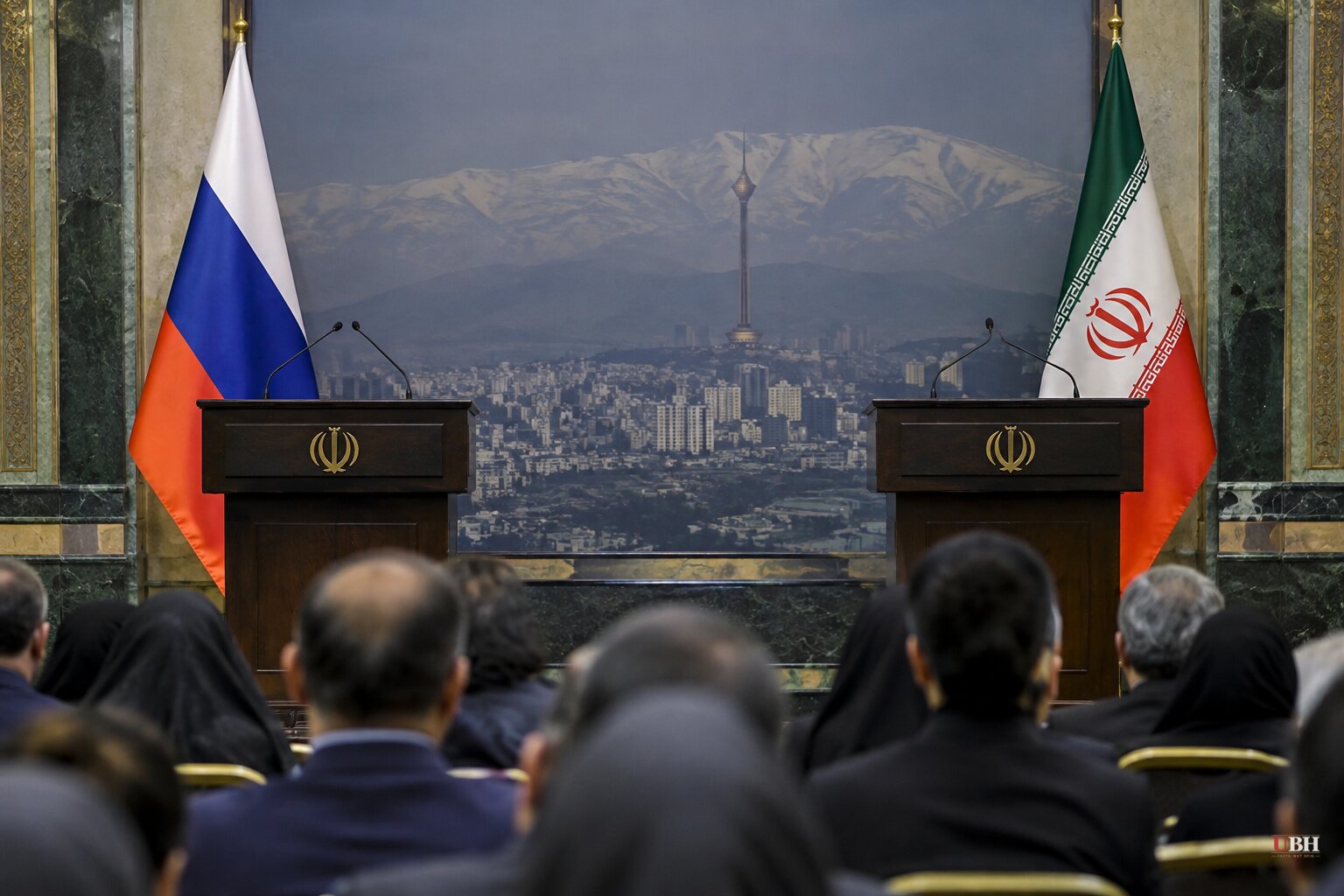
Lavrov landed in Tehran on Oct. 19, and the Russian foreign minister has laid out in public how far Moscow intends to go for Iran. It is a long way short of weapons, as far as anything on the record shows, but well past neutrality.
At a joint press conference with Iranian Foreign Minister Abbas Araghchi, Lavrov said: "I am confident that Iran's cause, like Russia's, is a just cause." He called the U.S. and Israeli campaign against Iran unprovoked and a "man-made crisis." He said Russia has worked at the United Nations to block attempts to justify the strikes.
What Russia says it is giving Iran
Lavrov said Russia is providing humanitarian aid, including medicine and regular food shipments. He also said Russia "does not intend to abandon the implementation of agreements with Iran" on economic and investment cooperation, despite the war.
Araghchi said the two countries are "determined to continue our relations" and that cooperation will help establish stability in the region, according to Iran's Mehr News Agency.
Lavrov also said Moscow is ready to help find "mutually acceptable solutions." He welcomed Tehran's stated willingness to pursue diplomacy. He called for a return to pre-conflict conditions in the Persian Gulf and the Strait of Hormuz, including freedom of navigation and guarantees against renewed military action.
Nothing in his remarks addressed military supplies. Trump said in July that Vladimir Putin had told him Russia would not sell weapons to Iran.
Trump's post and the sanctions waiver
The press conference came hours after Trump wrote on Truth Social: "Russia is doing very little, if anything, to help the Islamic Republic of Iran, compared to what they could be doing, and I want to keep it that way."
He tied that to his decision to waive some sanctions and tariffs on Russia. "I am in the process of negotiating Peace in the war between Russia and Ukraine, and don't want to do anything that will drive, foolishly, Russia away from the bargaining table," he wrote. In the same post he said Ukrainian President Volodymyr Zelenskyy "doesn't want to end this war, and probably never did."
CBS News reported that the waiver has drawn bipartisan backlash in Washington, on the grounds that it benefits Moscow in its war against Ukraine.
The argument that Moscow is helping Tehran is not new. On Oct. 12, Trump wrote that if China and Russia are helping Iran, "it's at a very low level, but I don't believe they are at all." A separate statement, quoted in the same Epoch Times report and attributed there to Hegseth, said both countries are, "at different levels, enabling some of the things Iran is doing." In September, Sen. Jeanne Shaheen, the ranking member of the Senate Foreign Relations Committee, said cutting off outside support "starts with China."
Gulf pressure and Iranian threats
The day before Tehran, Lavrov met Gulf Cooperation Council foreign ministers in Bahrain, Breitbart reported. The ministers asked Russia to play an active role in pressing Iran to stop attacking its neighbors. GCC Secretary-General Jasem al-Budaiwi singled out Houthi drone and missile attacks on Saudi airports and energy sites and Iranian attacks on commercial vessels in the Strait of Hormuz. Per the same account, Lavrov blamed the U.S. and Israel for the region's troubles and declined to use Russian influence on Tehran.
Iran's rhetoric hardened around the visit. Araghchi answered Trump's warning that the U.S. could "soon finish the job" by writing on X: "Last time you wanted to 'finish the job,' Iran emerged even stronger. Want to try your luck again? Be our guest. But be careful; we have unfinished jobs too."
Defense Minister Mehrdad Ketabchi, approved by parliament on Sunday, said Iran has taken the necessary measures for any U.S. use of its most powerful conventional warhead. He added: "If he drops a single bomb, he will have to consider how many of his troops will end up being carried out of the region in a horizontal position."
Revolutionary Guard adviser Brig. Gen. Mohammad Reza Naqdi claimed Iran has readied "the father of our missiles." No independent confirmation of such a weapon has been presented.
The Israeli backdrop
Trump gave Israeli Prime Minister Benjamin Netanyahu his "complete and total endorsement" on Sunday. Israel's Oct. 27 elections are nine days away. Netanyahu said he has instructed Israeli security agencies to work to bring down the Islamic Republic. Araghchi accused Netanyahu of pushing the U.S. toward another war "to stay out of jail." That is Araghchi's allegation. No source offers evidence for it.
U.S.-Iran talks remain at a standstill, according to Al-Monitor. Iran said on Monday that it is reviewing a U.S. response to its proposal to reopen the Strait of Hormuz and will reply through intermediaries.
Trump's approach rests on a trade: ease some pressure on Moscow, keep Moscow's help to Tehran limited. Lavrov has now said on the record that Russia's economic ties with Iran will continue regardless of outside pressure. Whether the sanctions waiver buys restraint from Russia, or just room, will show in what Moscow does in the days before Israel votes.
Sources used for this briefing
8 links from 8 independent newsrooms (syndicated copies of the same report count once)
These are the sources it draws on, linked so you can verify.


