
Unbiased headlines. Facts, not spin.
Every story is an unbiased news briefing written from 110+ sources across the spectrum — sources linked so you can verify it yourself.
 energy
Notable (6/10)
June 22, 2026 at 07:26 AM
energy
Notable (6/10)
June 22, 2026 at 07:26 AM
Large Corporations Are Pushing for Faster Grid Electrification. The Business Case and the Political Friction Are Both Real.
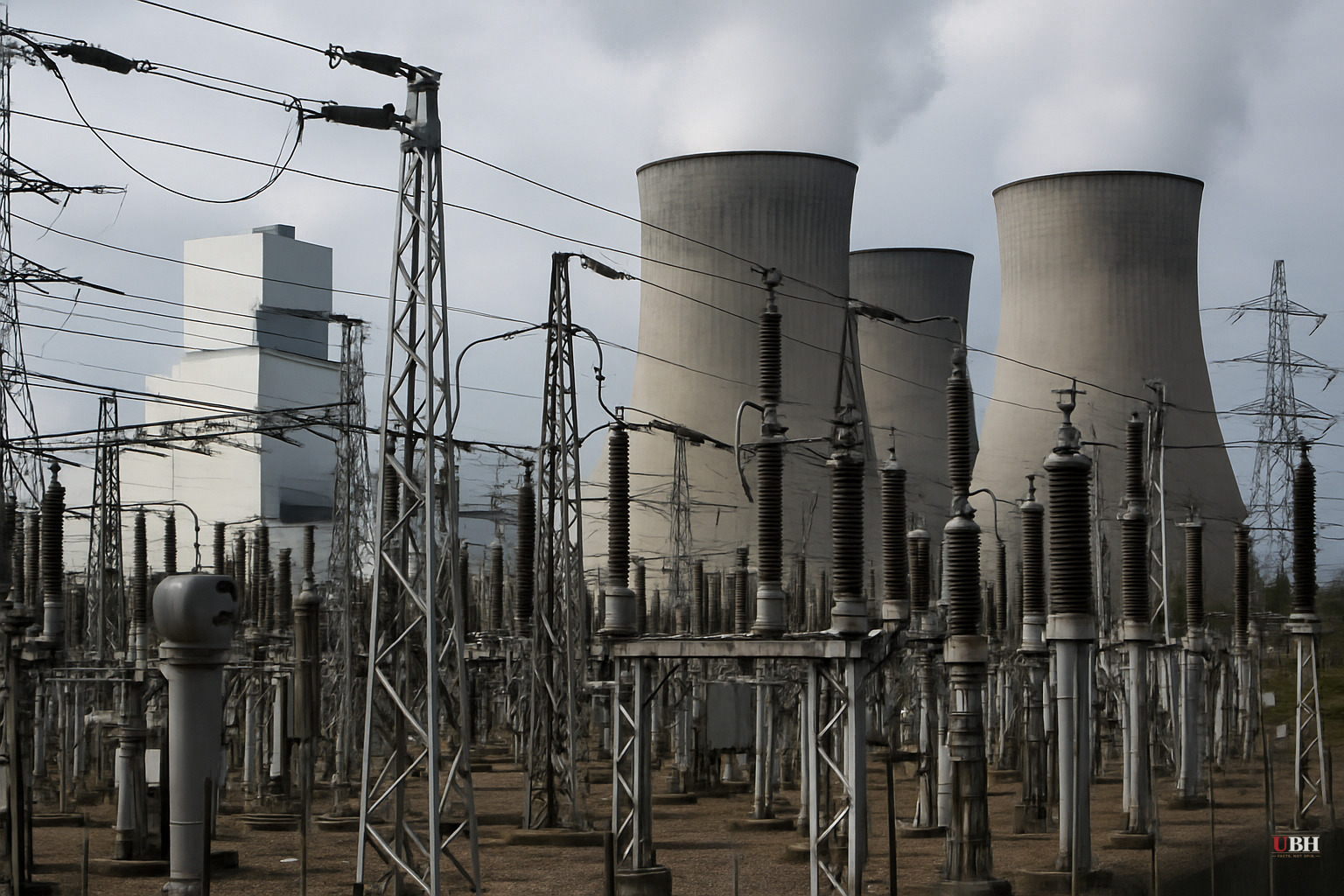
According to OilPrice.com, large businesses are formally urging policymakers to move faster on grid electrification. The sourcing in that report is thin on specifics: no coalition name, no dollar figures, no named executives, and no publication date are provided in the available material. Readers should treat the underlying claims as directionally credible but not yet fully documented.
The broader context is well-established. Corporate energy demand has been surging, driven heavily by data center buildout and AI infrastructure. That demand growth is straining grids that were not designed for it, and it is forcing companies — including some that have never spoken the language of clean energy — to care intensely about where their power comes from and how reliable it is.
What Business Actually Wants
The corporate push for electrification is not primarily about emissions targets. It is about supply certainty. Companies with large, predictable power loads want long-term contracts, stable prices, and grids that do not fail. Renewables backed by storage and, increasingly, small modular reactors fit that requirement better than spot-market fossil fuel purchases subject to geopolitical price swings.
That framing — power as industrial infrastructure, not environmental virtue — is what has shifted the politics. A manufacturer in a red state does not want to hear about carbon footprints. It does want to hear that its electricity bill will not spike when natural gas prices move.
The Counterargument Deserves a Straight Hearing
Critics of accelerated electrification — including some within the current administration and in fossil-fuel-producing states — make a legitimate point: moving too fast on grid transformation without adequate baseload backup creates fragility, not resilience. The Texas grid failures of February 2021 remain a live data point. A grid that depends heavily on intermittent sources without sufficient storage or dispatchable backup can fail catastrophically during demand spikes.
The corporate lobby pushing for faster electrification has not always engaged seriously with the reliability question, and policymakers should demand that it does before writing new mandates.
The Political Friction
The Trump administration's posture complicates the corporate ask. The administration has rolled back or frozen several Biden-era clean energy incentives and has been openly skeptical of mandates tied to climate goals. At the same time, it has been vocal about energy dominance and grid security — which are, functionally, arguments for exactly the kind of diverse, domestically sourced power mix that electrification advocates are pushing.
That internal tension inside Republican energy policy has not been resolved. Corporate lobbyists are trying to thread it by arguing in the administration's own language: more electrification means less dependence on imported fuel, more manufacturing jobs building grid hardware, and stronger national security. Whether that framing holds enough political weight to actually move permitting reform, transmission investment, or utility regulation remains unclear.
What the OilPrice.com Report Leaves Unanswered
The OilPrice.com piece that triggered this article is underdeveloped. It carries no publication date, names no specific companies or executives, and provides no legislative or regulatory ask that can be tracked. Readers should not treat the OilPrice.com item as a sourced news event with verifiable specifics. It is more accurately described as a directional signal consistent with a well-established trend.
The Unresolved Question
The concrete next step worth watching is whether stalled permitting reform — which would streamline transmission line approvals, one of the biggest bottlenecks in grid buildout — gets attached to any must-pass legislation. Without faster permitting, corporate demand for cleaner, more reliable power faces structural obstacles regardless of how many lobbying dollars flow to Capitol Hill.
Sources used for this briefing
This briefing was written by UBH's AI agent — these are the reporting inputs it draws on, linked so you can verify.


