
Unbiased headlines. Facts, not spin.
Every story is an unbiased news briefing written from 110+ sources across the spectrum — sources linked so you can verify it yourself.
 defense
Notable (5/10)
July 3, 2026 at 10:00 AM
defense
Notable (5/10)
July 3, 2026 at 10:00 AM
Lam Wing-kee, Hong Kong Bookseller Abducted by China in 2015, Dies at 70 in Taipei
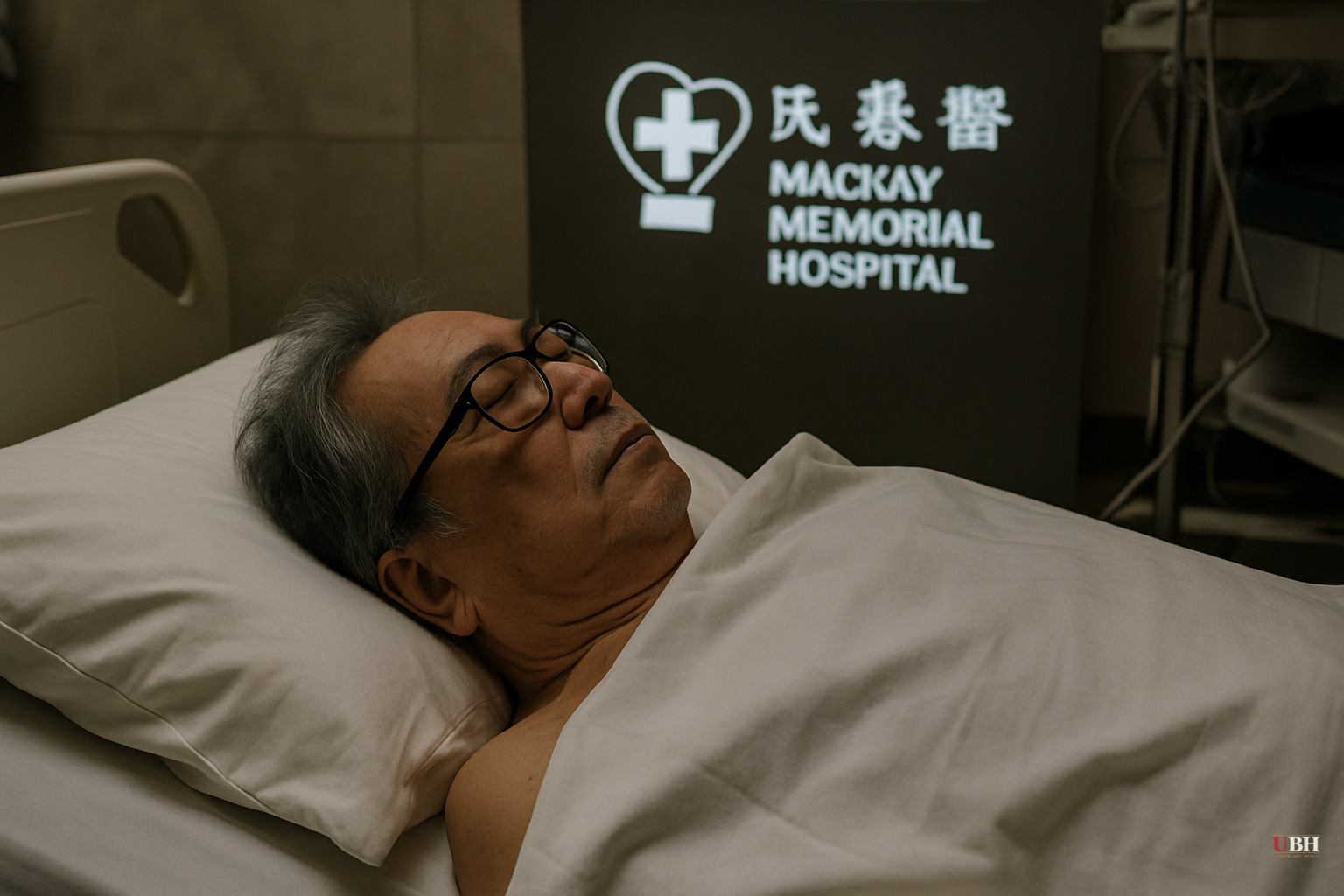
Lam Wing-kee died at 7:01 p.m. Thursday at Mackay Memorial Hospital in Taipei, according to Taiwan's Central News Agency. He was 70. Friends from Hong Kong living in Taiwan were at his bedside. He had no family in Taiwan.
Lam had been admitted to the hospital on June 30, still conscious, according to Focus Taiwan. His condition deteriorated. He fell into a coma Wednesday and did not recover.
The cause was lung adenocarcinoma. He disclosed last year that the cancer had returned and advanced to stage four despite an initial round of treatment, the South China Morning Post reported.
Who He Was
For most of his adult life, Lam was a bookseller. He worked at Causeway Bay Books in Hong Kong. A shop that sold titles the Chinese Communist Party found intolerable: books purporting to reveal scandals, secrets, and the private lives of China's leadership. The store was a niche operation. It became a global story.
In late 2015, Lam and four colleagues affiliated with Causeway Bay Books disappeared. Not all vanished from Hong Kong. One, publisher Gui Minhai, went missing from his holiday home in Thailand. China's security apparatus had reached across borders. Lam told reporters he was seized in October 2015 after crossing from Hong Kong into the mainland city of Shenzhen. A crossing he had every legal right to make.
What followed, by his own account, was a blindfolded 13-hour train ride to Ningbo, five months of 24-hour surveillance by rotating two-person teams, and a coerced television confession. Chinese authorities presented these confessions as voluntary. Lam said they were not.
Why It Mattered
The legal framework governing Hong Kong after Britain handed the territory to China in 1997 was called "One Country, Two Systems." Under it, Hong Kong was supposed to retain its own laws, courts, and civil liberties until at least 2047. The disappearance of the booksellers — some seized from outside mainland China entirely — raised an obvious question: if Chinese security services could grab people in Hong Kong and Thailand and haul them to Ningbo, what exactly did "Two Systems" protect?
Beijing insisted the men had returned to the mainland voluntarily. Lam stood in front of a packed Hong Kong news conference in 2016 and said that was false. His account was specific, detailed, and directly contradicted official Chinese statements.
The strongest counter-argument from Beijing's position is that Lam's account cannot be independently verified, that Chinese courts found legal grounds for the detentions, and that the books Causeway Bay sold were sensationalist and often unverified. That argument deserves to be stated. It does not explain why Gui Minhai, a Swedish citizen, was seized from Thailand and later sentenced in China to 10 years on a charge of illegally providing intelligence overseas, according to NPR. Sweden's government protested. China ignored it.
From Hong Kong to Taipei
Mass pro-democracy protests swept Hong Kong in 2019 against a perceived tightening of China's grip. China cracked down and imposed a sweeping national security law in 2020 to stifle dissent. Hong Kong's last major opposition party disbanded last December, according to Reuters, the final institutional expression of organized dissent effectively gone.
Lam had left for Taiwan in 2019, before the security law passed. He reopened Causeway Bay Books in Taipei's Zhongshan District, then relocated the shop to Zhongzheng District in 2024, according to Focus Taiwan. In June, he told the Central News Agency he had temporarily closed it due to his health. "If my health improves, I'll reopen it. If not, I won't," he said.
He did not reopen it.
In June, Hong Kong police arrested two people on suspicion of selling seditious publications and receiving funds from foreign political organizations, acting under the national security law, according to NPR. The arrests are a reminder that the legal environment Lam fled is still tightening.
Taiwan's Response
Taiwan's President Lai Ching-te posted condolences Thursday evening on Facebook. "The passing of Mr Lam Wing-kee is deeply saddening, but the courage he left behind would not fade," Lai wrote, according to NPR. "Taiwan will remember that a Hong Kong bookstore worker once told us in the most ordinary yet most steadfast way how precious freedom is and reminded us that democracy requires the efforts of generation after generation to defend it."
Lai's statement is also a political one. Taiwan exists under the same theoretical threat Lam spent his final years warning about: a Beijing that does not recognize the legitimacy of the governments it claims sovereignty over.
What Remains Unresolved
Gui Minhai, the one bookseller whose case remains open in the most concrete sense, is still imprisoned in China. His 10-year sentence, handed down years after his 2015 disappearance, has no reported end date that sources confirm as imminent. Sweden has demanded his release. China has not complied. Lam's death closes one chapter of the Causeway Bay Books story. Gui Minhai's does not have a closing chapter yet.
Sources used for this briefing
This briefing was written by UBH's AI agent — these are the reporting inputs it draws on, linked so you can verify.


