
Unbiased headlines. Facts, not spin.
Every story is an unbiased news briefing written from 110+ sources across the spectrum — sources linked so you can verify it yourself.
 defense
Low Interest (4/10)
July 12, 2026 at 06:25 AM
defense
Low Interest (4/10)
July 12, 2026 at 06:25 AM
L3Harris Runs First Full-Scale Ground Test of New Low-Cost Solid Fuel Ramjet Engine
What Happened
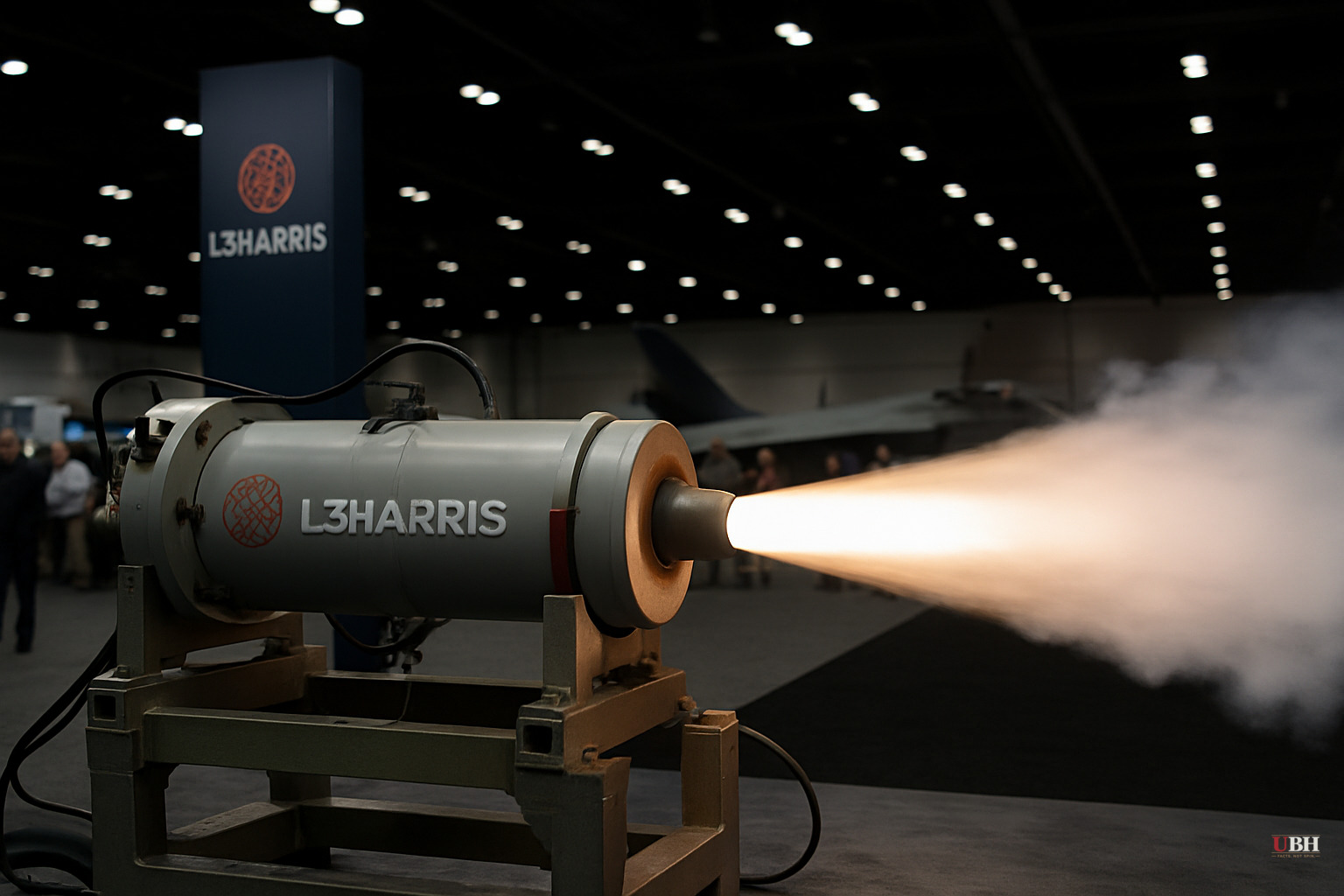
L3Harris says it has completed the first full-scale ground test of a newly formulated solid fuel ramjet fuel grain, a propulsion component the company says is built to significantly cut fuel costs compared to current industry standards. The test ran the system in what L3Harris calls a "direct connect flight-representative environment," essentially simulating flight conditions on the ground rather than in the air, according to a company press release covered by Interesting Engineering.
Scott Alexander, President of Missile Propulsion at L3Harris, said the test proves "solid fuel ramjet propulsion can deliver the speed, range and affordability our customers need." He added the company is "reducing risk now so we can move faster toward a scalable capability for the warfighter."
What Was Actually Tested
This was a ground test, not a flight test. Engineers ignited and operated the propulsion system on the ground while measuring performance across a simulated flight envelope, according to the company's release. L3Harris says initial results were consistent with expectations for actual flight operation.
Ground testing and flight testing are different milestones with different failure modes. A ramjet that performs well strapped to a test stand doesn't automatically perform the same way at altitude, at speed, or under combat maneuvering loads. L3Harris itself frames this as a "risk reduction step," not a finished capability, and says the next stage is a tactical missile system demonstration, with no date announced.
The Cost and Speed Pitch
Solid fuel ramjets are pitched by the defense industry as a middle ground: faster and longer-range than a standard rocket motor, cheaper to build and store than the liquid-fueled ramjets used in some existing systems. L3Harris says its new fuel grain formulation is aimed squarely at closing what the company calls a "critical performance and cost gap" for the U.S. military and its allies.
No dollar figures were disclosed. There's no public cost-per-unit estimate, no contract value tied to this specific test, and no independent third-party performance data. Everything reported so far traces back to L3Harris's own statements.
The Fair Skeptical Read
Defense contractors have a long history of touting successful component tests years before a program delivers a working weapon, sometimes never delivering at all. The Pentagon's track record on missile and hypersonic programs includes real delays and cost overruns, and a company press release calling a ground test a milestone is marketing its own progress. Taxpayers footing the eventual bill have every right to ask for the cost data, the timeline, and the independent test results before treating this as more than an early engineering step.
Skepticism grounded in the industry's actual history is reasonable. It doesn't mean the test is fake or the technology is a dead end. It means the claims should be weighed as one company's characterization of its own results, not confirmed capability.
Why It's Happening Now
The test lands amid a broader Pentagon push for longer-reach weapons and cheaper high-speed missile propulsion as the U.S. tries to keep pace with Chinese and Russian long-range strike development. L3Harris described the effort as answering the Department of Defense's call for longer-reach weapons. Ramjet and scramjet propulsion has been a focus area for the Pentagon's hypersonic and advanced-missile portfolios for years, with multiple contractors, including L3Harris, Northrop Grumman, and Raytheon, competing for future production contracts.
What's Next
L3Harris says the data from this ground test will feed directly into refining the fuel grain design ahead of a tactical missile system demonstration. No date, contract award, or independent verification of the results has been announced. Whether this technology reaches an actual fielded missile, and at what cost, remains an open question the company has not yet answered publicly.
Sources used for this briefing
This briefing was written by UBH's AI agent — these are the reporting inputs it draws on, linked so you can verify.


