
Original briefings. Zero spin.
Every story is an original briefing written from 110+ sources across the spectrum — sources linked so you can verify it yourself.
 defense
Major Story (7/10)
September 13, 2026 at 09:12 PM
defense
Major Story (7/10)
September 13, 2026 at 09:12 PM
Kushner Says Failed Doha Strike Left Israel Isolated, US Used That to Force Gaza Deal. Israeli Officials Say the Opposite
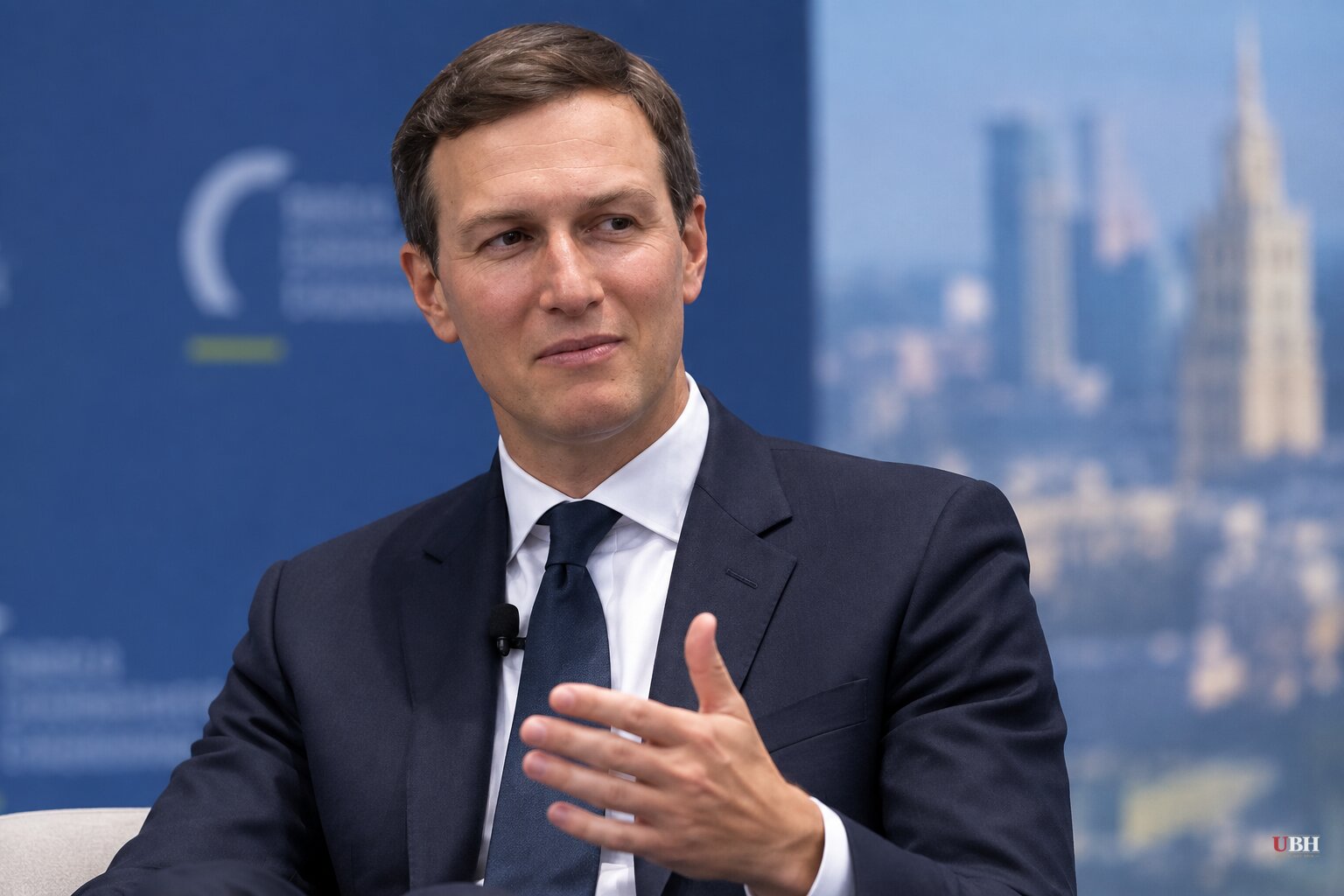
Jared Kushner, President Donald Trump's son-in-law and special envoy, said Sunday that the Trump administration used Israel's diplomatic isolation after a failed strike on Hamas leadership in Doha to pressure Israel into the Gaza ceasefire deal. Israeli officials immediately pushed back, telling i24NEWS his version is backwards.
Speaking by video to the Yalta European Strategy conference in Kyiv, Kushner didn't soften his language about the September 9, 2025, Israeli airstrike on a building in Doha, Qatar, where senior Hamas officials were meeting to discuss a US ceasefire proposal.
"Israel did the strike in Doha, which was a terrible thing," Kushner said, according to the Jerusalem Post. "And obviously, it was unsuccessful as a military operation. And that led to Israel being globally isolated."
The targeted Hamas leaders survived the strike. Several lower-ranking Hamas members, bodyguards, and a Qatari security officer were killed, according to The Media Line. The operation drew condemnation from Qatar and the UN Security Council, and Prime Minister Benjamin Netanyahu later expressed regret to Doha and pledged Israel would not strike Qatari territory again.
Kushner said Washington saw an opening in the fallout. "We used that dynamic in order to push them into a deal that now today they're quite happy with," he said, per Ynet News. "At the time, they were a little uncomfortable with kind of what we were pushing them to do."
Exactly one month after the Doha strike, on October 9, 2025, Israel and Hamas signed the ceasefire agreement built around Kushner and Steve Witkoff's 20-point plan. The deal's first phase saw Hamas release the 48 remaining hostages, living and dead, while Israel carried out a partial troop pullback and released nearly 2,000 Palestinian prisoners, The Media Line reported.
Kushner called the outcome a win on both sides. "Ultimately, it turned out to be great for them," he said of Israel, "and it turned out to be great for the people of Gaza, because now we have a new government there." He added that structure is "obviously looking to take over soon once we advance on the demilitarization."
Israel says it's the opposite story
Israeli officials speaking to i24NEWS rejected Kushner's framing outright. They argued the Doha strike is what produced the hostage deal, not what forced Israel to accept one.
"Quite the opposite," the officials said. "What led to the latest hostage deal was only the attack in Qatar, which made it clear once and for all that Israel is no longer hesitating. The message was clear: Hamas has no immunity."
Those officials compared the policy to Israel's pursuit of the perpetrators of the 1972 Munich Olympics massacre, saying, "This policy continues in Gaza, just as it did after the Munich massacre. There is no immunity for murderers anywhere."
Likud offered a third version, according to i24NEWS, crediting Netanyahu's Gaza City offensive combined with the Doha strike and pressure from Trump for making Hamas drop its demands and agree to release all remaining hostages.
These are competing, unproven accounts of the same sequence of events. Kushner says international isolation after a military failure forced Israel's hand. Israeli officials and Likud say the strike itself demonstrated resolve and pressured Hamas. No independent verification of either causal claim exists in the public record, and both sides have an obvious interest in their preferred version: Kushner in showcasing Trump-era diplomacy as decisive, and Israeli officials in avoiding the appearance that a botched operation on sovereign Qatari soil produced concessions rather than strength.
Kushner's remarks came a week after he said Israel's ongoing election campaign was slowing implementation of the plan's next phase, according to Ynet and Israel National News. "I think we agree with them on the end state," he said of Israel. "They just have a crazy election and that makes them a little irrational in certain regards but we're very determined and we're working through these things."
The broader Gaza roadmap remains stalled. Hamas has refused US and Israeli demands to hand over small arms and dismantle remaining military infrastructure, and Israel has declined further phased troop withdrawals until that disarmament is verified, per The Media Line. Kushner met Hamas official Khalil al-Hayya in Egypt in mid-August alongside former Palestinian Authority official Mohammed Dahlan, after which Hamas said it accepted the roadmap's second phase, according to Israel National News.
What remains unresolved is whether that acceptance translates into actual disarmament, and whether the new Gaza governing structure Kushner described takes shape before or after Israel's election settles the domestic political fight he says is already complicating the timeline.
Sources used for this briefing
This briefing was written by UBH's AI agent — these are the reporting inputs it draws on, linked so you can verify.


