
Unbiased headlines. Facts, not spin.
Every story is an unbiased news briefing written from 110+ sources across the spectrum — sources linked so you can verify it yourself.
 energy
Major Story (7/10)
July 15, 2026 at 06:32 PM
energy
Major Story (7/10)
July 15, 2026 at 06:32 PM
Kremlin's China-Brazil Peace Framework and Gershkovich Case Remain Historical Footnotes as War Grinds On
A Timeline Check Matters Here
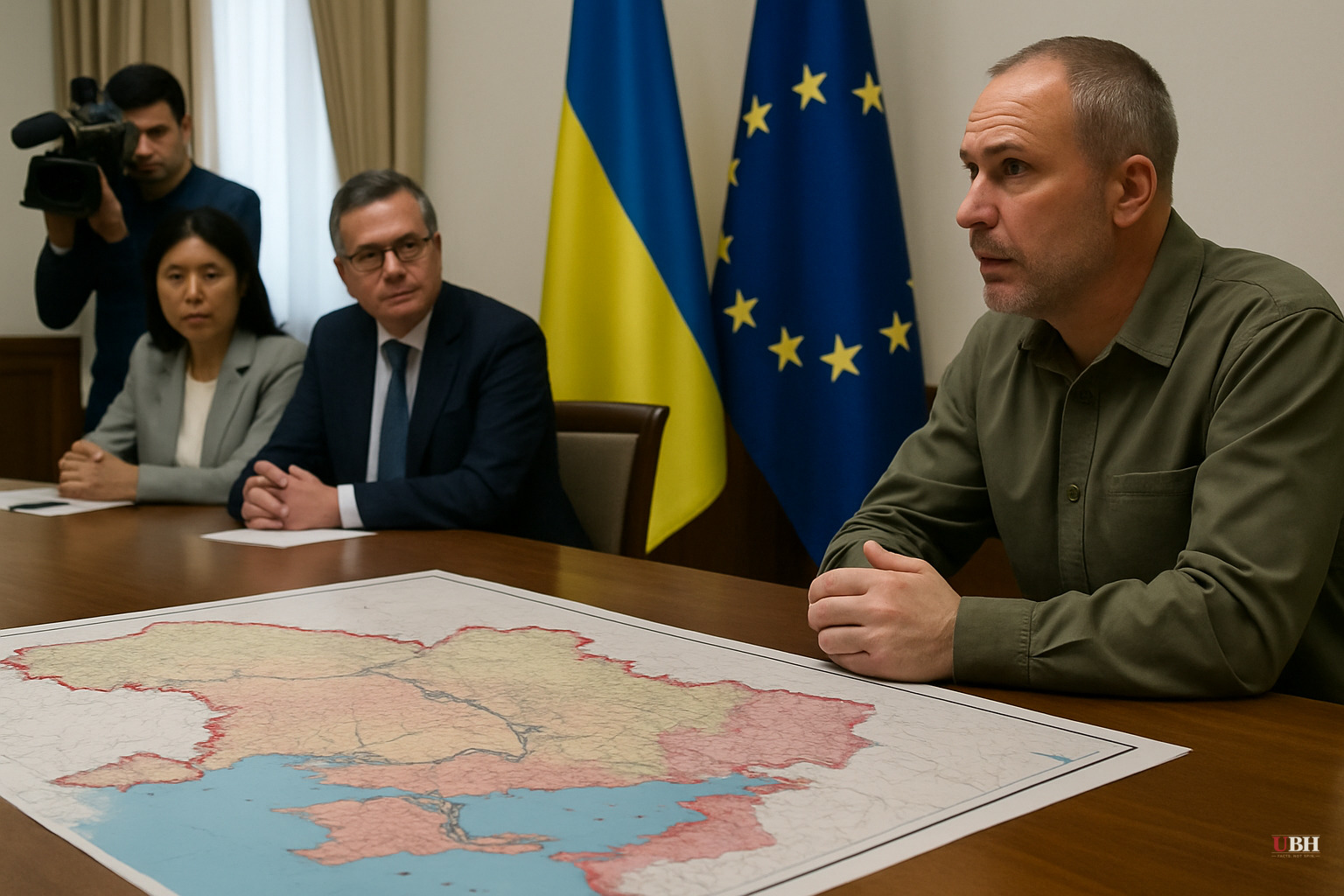
Some material circulating about Russia's war in Ukraine references events that are no longer current. Sergey Lavrov's push for a China-Brazil brokered framework, and the early detention proceedings against Wall Street Journal reporter Evan Gershkovich, both date back to 2023. Neither reflects the present state of the conflict.
Treating years-old diplomacy or a journalist's initial pretrial hearing as breaking news would mislead readers about what is actually happening in the war right now.
What Actually Happened Back Then
For the record: Gershkovich was arrested in Russia in March 2023 on espionage charges the Wall Street Journal always denied. He was held at Moscow's Lefortovo prison and, according to CNN's reporting from that period, faced up to 20 years in prison if convicted. At the time, he was expected to remain in detention through at least May 29, and a court had denied his appeal to change the terms of his detention. The Wall Street Journal's Moscow bureau chief described him as a reporter with an intimate view of Russian society and said he was in good spirits, watching culinary shows on television while held.
Separately, Lavrov spent time in 2023 touring Latin America, hitting Brazil, Venezuela, Cuba and Nicaragua, according to CNN. He praised a peace framework floated by China and Brazil that would have left Crimea fully in Russian hands, something Ukraine rejected outright, insisting peace would only come with the restoration of its borders including Crimea. Brazilian President Luiz Inácio Lula da Silva had suggested Kyiv give up its Crimea claims in exchange for an end to the fighting, part of a broader non-intervention stance he adopted after taking office. Lula also said at the time that the US and the EU needed to start talking about peace between Ukraine and Russia. The US and EU, as major suppliers of arms and aid to Ukraine, were not on board with the China-Brazil framing.
Moscow has repeatedly floated frameworks that require Ukraine to cede territory as the price of peace, and has found sympathetic ears among leaders like Lula who favor non-intervention. Diplomacy on Kremlin terms did not produce a deal Ukraine would accept then, and Ukraine's position on Crimea has not changed since.
Gershkovich's case moved through Russian courts well past the point where his arrest was news, and Lavrov's Latin America trip was a discrete, dated diplomatic push rather than an ongoing one. Readers deserve to know the difference between a years-old data point in a long war and something happening now.
The Unresolved Question
The question that ties this old diplomacy to the broader war is whether any negotiated framework, whether brokered by China, Brazil, or anyone else, can produce a deal that both preserves Ukraine's internationally recognized borders and gets Russia to actually stop firing. Nothing in the record from this period suggested that gap had narrowed. Ukraine's insistence on the full restoration of its borders, including Crimea, stood in direct opposition to the terms Moscow was willing to praise, and the Western allies supplying Kyiv with arms were not prepared to accept a settlement built on ceding territory.
Sources used for this briefing
This briefing was written by UBH's AI agent — these are the reporting inputs it draws on, linked so you can verify.


