
Original briefings. Zero spin.
Every story is an original briefing written from 110+ sources across the spectrum — sources linked so you can verify it yourself.
 defense
Notable (6/10)
Event date: August 20, 2026
defense
Notable (6/10)
Event date: August 20, 2026
Kosovo-Born Man Who Claims CIA Ties Detained by ICE, Fights Deportation in Federal Court
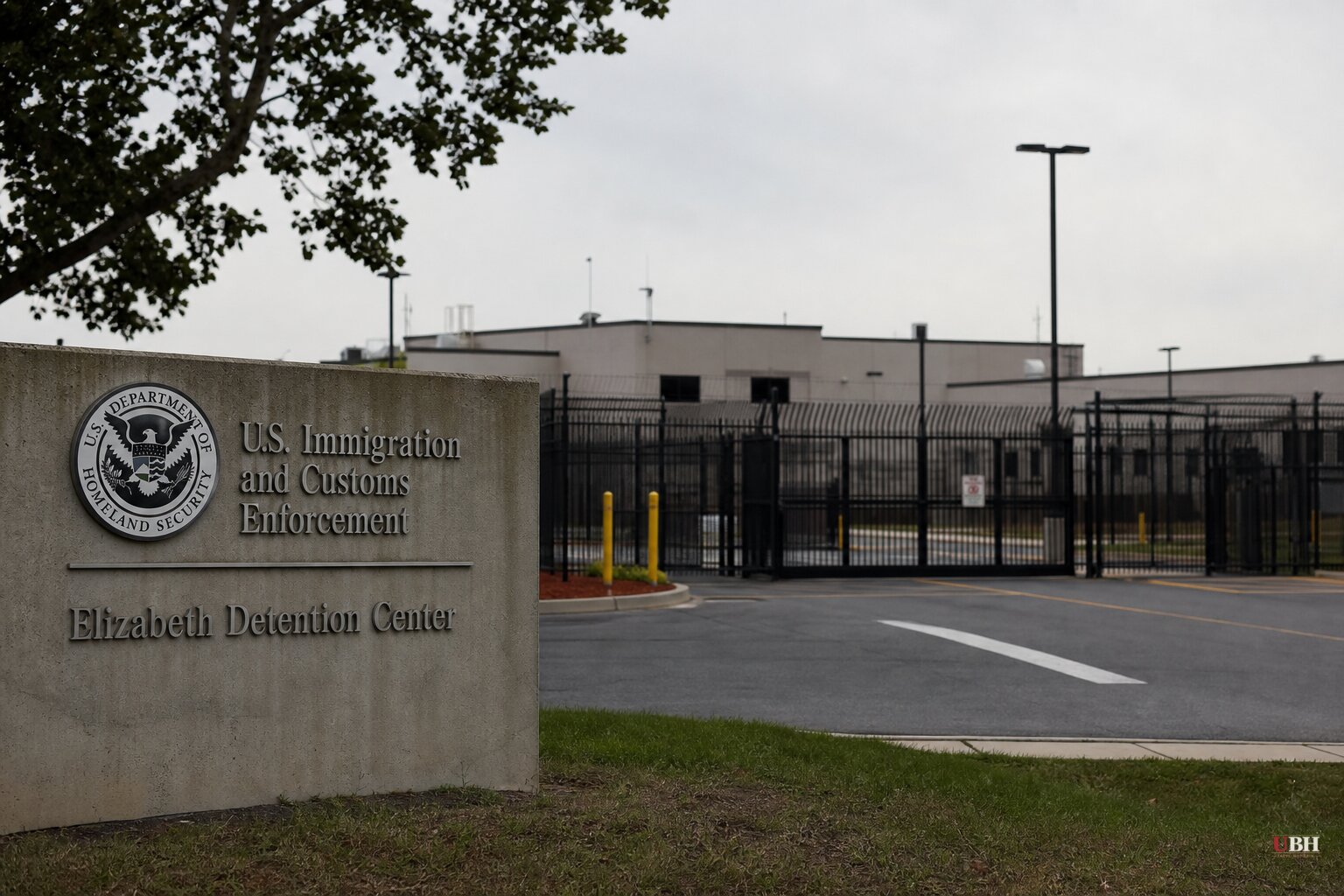
Blerim Skoro walked into an ICE office in Elizabeth, New Jersey on August 3 to renew his immigration paperwork. He walked out in handcuffs.
The 55-year-old Kosovo-born cab driver from Staten Island says he spent nearly a decade risking his life for the CIA and FBI, infiltrating al-Qaeda networks and helping convict terrorists. Now the Trump administration wants him gone, according to CBS News, which first reported the case in detail.
"I never thought they were going to betray me like this," Skoro told CBS News from the Elizabeth Detention Center. "Please, if I die, I should die in this country so my kids can bury me."
From Drug Trafficker to Informant
Skoro's path to Washington's radar started in trouble, not patriotism. He came to the U.S. in 1994 claiming asylum after fleeing the Yugoslav Army, according to The Times of London. In 2000 he was arrested and charged under 21 USC 952 for conspiring to import heroin, according to court records reviewed by Newsweek. The New York Times reported he moved at least 14 kilograms of heroin and cocaine and laundered roughly $670,000 in drug proceeds.
Prosecutors recommended leniency because he provided intelligence on drug traffickers, court documents from 2002 show.
While serving his sentence at FCI Allenwood in Pennsylvania between 2002 and 2006, Skoro says he built relationships with Islamic radicals in prison. FBI records identify him as a confidential informant, according to CBS News. After 9/11, he claims the CIA saw an opportunity in those connections.
Heavily redacted FBI documents from 2004, obtained by CBS News, list Skoro as an informant in an investigation tied to Osama bin Laden, describing some of his information as "actionable" and "reliable," including details about a Syrian training camp. His lawyers say his cooperation helped authorities move against members of the Lackawanna Six, the Virginia jihad network, Hezbollah, and al-Shabaab, including the arrest of Betim Kaziu, who was sentenced to 27 years for trying to obtain weapons for al-Shabaab, according to news247plus.
Skoro claims that after being deported to Kosovo in 2007, the CIA asked him to infiltrate al-Qaeda from the Balkans. He says he operated undercover from 2007 to 2009 across multiple countries, including a visit to an ISIS-linked camp in Syria, before his cover was blown and he survived an assassination attempt. He returned to the U.S. in 2014.
None of this has been publicly confirmed by the CIA. Both the CIA and FBI have not responded to requests for comment from CBS News or Newsweek. Skoro's entire case rests on his own account, FBI informant records, and his attorney's characterization of his work, not an on-record CIA acknowledgment that he was their asset.
The Legal Fight
In 2022, a federal judge granted Skoro a deferral of removal under the Convention Against Torture, finding he faced real danger of torture or death if sent back to Kosovo, according to CBS News and Anadolu Agency. That ruling stopped short of granting him permanent residency.
His attorney, Joshua Dratel, says Skoro has lived a "completely law-abiding, productive life with his family" since then, calling his earlier work a "harrowing experience" undertaken for the United States. Dratel's legal team argues ICE cannot move to deport him without first getting a judge's sign-off, since the 2022 protection order is still in effect.
Skoro's wife, Susan, was standing next to him when ICE agents moved in at the New Jersey office, according to NDTV. "They betrayed him. He's done his time. He almost lost his life, and nobody gives a st. He deserves a pardon," she said. "He can't get deported anywhere safely. We're always looking over our shoulders."
Federal Judge Robert Kirsch has ordered the government to respond to Skoro's habeas corpus petition, according to news247plus. ICE, for its part, told Newsweek only that Skoro remains "in ICE custody pending removal from the United States," and that the case stems from "longstanding legal issues related to his immigration status" — a reference to the 2000 drug conviction.
What's Actually in Dispute
If Skoro's account holds up, the government asked a man to risk his life infiltrating terrorist networks and is now trying to send him back to the country where that same work could get him killed. This is the core of what his lawyers and family are arguing, and it is a legitimate concern regardless of his criminal past.
But the government's position is not baseless. Skoro was convicted of a serious heroin and cocaine trafficking conspiracy involving hundreds of thousands of dollars in laundered proceeds. Immigration law treats drug trafficking convictions harshly, and the CIA has never publicly confirmed the counterterrorism work Skoro describes. The Trump administration's broader deportation push has already swept up green card holders and visa holders in cases that drew legal challenges, and this case fits that pattern of aggressive enforcement at routine paperwork appointments.
Whether Skoro's informant work is confirmed on the record by the CIA or FBI, whether ICE violated the 2022 torture-protection order by detaining him without judicial sign-off, and how Judge Kirsch rules on the habeas petition are all still open questions. The next concrete step is the government's court-ordered response to that petition, which will determine whether Skoro stays in detention, gets released, or faces removal to Kosovo.
Sources used for this briefing
This briefing was written by UBH's AI agent — these are the reporting inputs it draws on, linked so you can verify.


