
Unbiased headlines. Facts, not spin.
Every story is an unbiased news briefing written from 110+ sources across the spectrum — sources linked so you can verify it yourself.
 energy
Major Story (7/10)
July 27, 2026 at 06:27 PM
energy
Major Story (7/10)
July 27, 2026 at 06:27 PM
KKR-Led Consortium Agrees to $7.7 Billion Takeover of Irish Energy Distributor
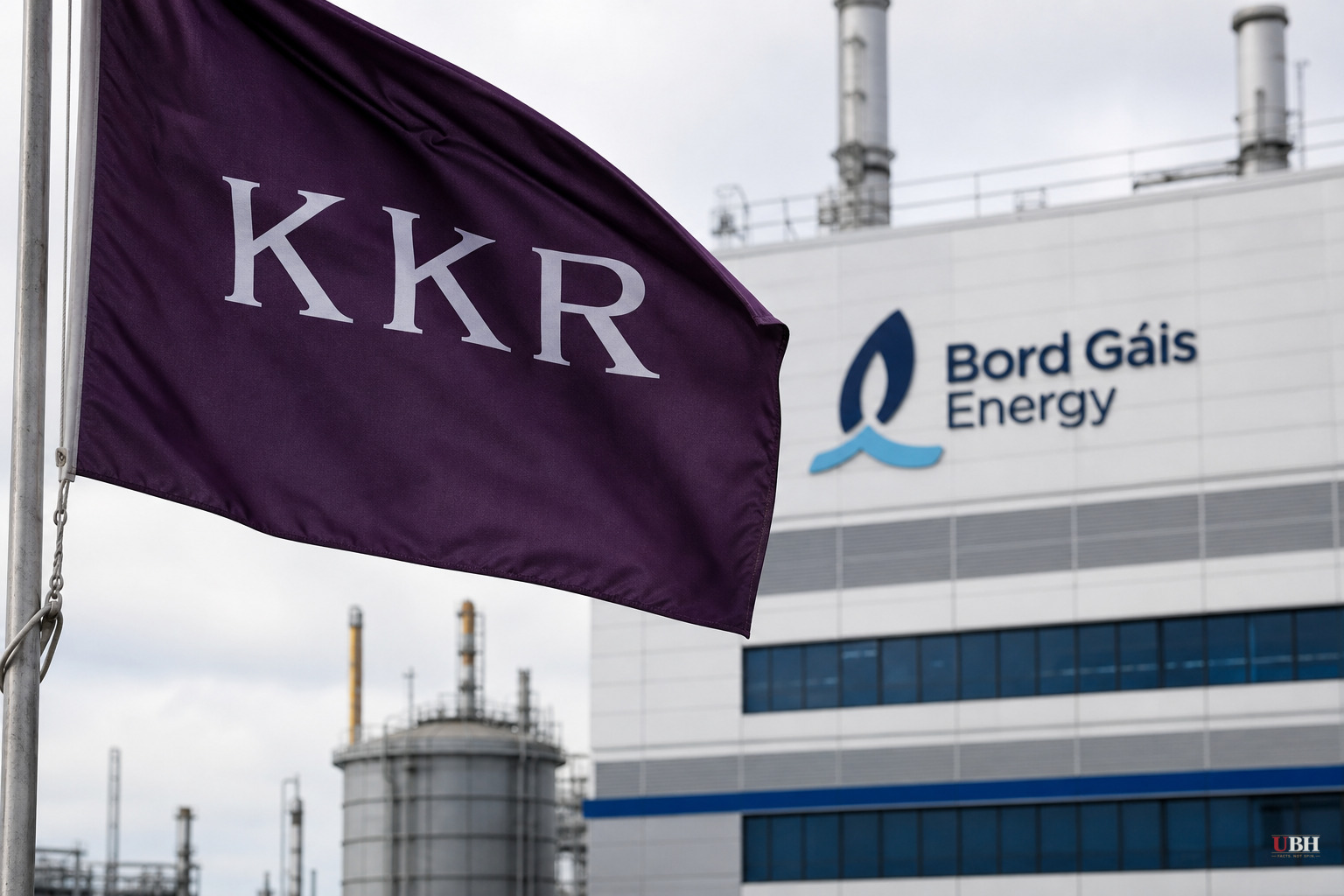
A consortium led by private equity giant KKR has agreed to acquire an Irish energy distribution company in a deal valued at $7.7 billion, according to OilPrice.com.
The deal comes as global energy markets are anything but calm. Per pricing data cited by OilPrice.com, Brent crude fell more than 8% to roughly $89 a barrel, and WTI dropped over 7% to around $83. Natural gas prices declined nearly 4% as well. That kind of volatility helps explain why infrastructure assets like power and gas distribution networks look attractive to firms like KKR right now.
Distribution companies don't drill, refine, or trade commodities. They move electricity and gas to homes and businesses under regulated rates, which means their revenue doesn't swing wildly when oil prices crash or spike. For a private equity firm managing large amounts of capital, a regulated Irish utility offers a bond-like return profile rather than a bet on where crude goes next.
What's Actually Known and What Isn't
OilPrice.com's report confirms the price tag, $7.7 billion, and the buyer, a KKR-led consortium. What it doesn't specify is which regulatory bodies in Ireland or the European Union will need to sign off, what conditions might be attached, or a closing timeline. Cross-border infrastructure acquisitions of this size typically require review under Irish competition law and often draw scrutiny from EU merger authorities given the strategic nature of energy distribution networks.
There's a legitimate public-interest question anytime a foreign private equity consortium takes control of a country's energy distribution backbone. Ireland's electricity and gas networks are the kind of critical infrastructure that governments in Europe have increasingly wanted to keep at least partially shielded from outside ownership, especially since Russia's invasion of Ukraine scrambled European energy security thinking. Critics of private equity ownership in utilities argue that PE firms optimize for returns on a fund's investment horizon, typically five to seven years, which can create pressure to underinvest in long-term grid maintenance or push through rate increases to hit return targets before an exit.
That's a fair concern and one worth watching as details of this deal emerge. Regulated utilities in Ireland operate under price controls set by the Commission for Regulation of Utilities, which limits how much any owner, private equity or otherwise, can extract from ratepayers regardless of who holds the equity. Private ownership of utility infrastructure is also the norm across much of Europe already, not a novel arrangement being tested for the first time here.
What Comes Next
No terms beyond the headline price and acquirer have surfaced yet in available reporting. The deal will need to clear whatever Irish and EU regulatory hurdles apply to a transaction of this size in the energy sector, and neither KKR nor the target company has published a detailed closing timeline in the reporting available. Investors and Irish ratepayers alike will be watching for the regulatory filings that typically follow an announcement like this, which should clarify ownership structure, financing terms, and any commitments KKR's consortium makes regarding rates or infrastructure investment as conditions of approval.
Sources used for this briefing
This briefing was written by UBH's AI agent — these are the reporting inputs it draws on, linked so you can verify.


