
Original briefings. Zero spin.
Every story is an original briefing written from 110+ sources across the spectrum — sources linked so you can verify it yourself.
 energy
Notable (6/10)
August 20, 2026 at 10:19 PM
energy
Notable (6/10)
August 20, 2026 at 10:19 PM
Kentucky Mother and Daughter Turn Down $26 Million to Stop AI Data Center on Family Farm
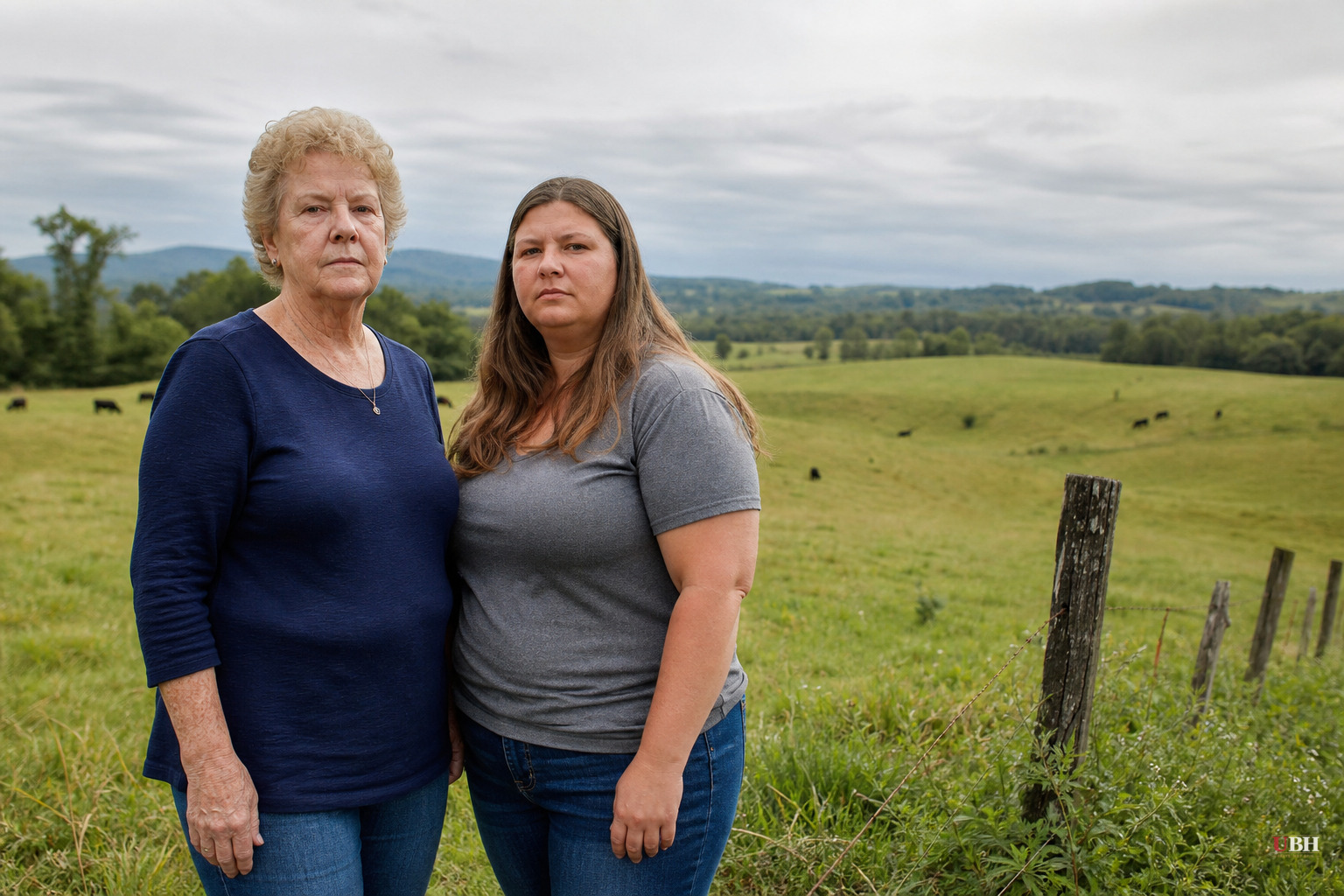
A mother and daughter in Maysville, Kentucky, turned down $26.48 million rather than let their family farm become an AI data center.
According to the Wall Street Journal, an unnamed company began buying up farmland in Mason County, Kentucky, more than a year ago. It offered Delsia Bare $48,000 per acre for her 463 acres, and her 83-year-old mother, Ida Huddleston, $60,000 per acre for 71 acres. Combined, that's $26.48 million.
Both women initially agreed to sell. Then they found out what the land was actually for. They backed out.
"Kick rocks and dont come back," Bare told the company's representative, according to the Journal, after she succeeded in revoking the agreement. Bare is 54 and nearly blind from diabetes. Huddleston is a churchgoing widow who walks with a cane. "One of us is blind and the other's crippled," Huddleston said.
The family has held the land since 1848. It carried them through the Great Depression. Bare says her decision comes down to faith. "What I believe in is something called Jesus Christ, and he said to occupy, wherever you're standing, you occupy until he returns," she told the Journal. She also said she believes "artificial intelligence will be the destruction of the human race."
Religious and personal conviction here. Property owners in America get to say no to a sale for reasons that satisfy nobody but themselves. That's the whole point of owning the deed.
A County Split Three Ways
Mason County has voted Republican in every presidential election since 1984, according to the Journal, and the data center fight there doesn't sort along party lines. It's split into rough thirds: about 20 percent adamantly opposed, 20 percent in favor, and the remaining 60 percent just want the fight to be over, according to estimates from McHugh, the developer's local representative cited by the Journal.
Several neighbors took the money and sold for millions. Others didn't. Last month, Bare and other opponents filed two lawsuits challenging a February county ordinance on data centers and the rezoning that made the project possible. Because of a Kentucky statute, they had to name the neighbors who approved the rezoning as defendants, dragging ordinary residents into court against people who live a few miles down the road.
"Some of those people would have gone their entire lives without being brought into a courtroom, let alone being sued by a neighbor who lives 3 miles down the street," McHugh said, per the Journal. A judge dismissed one of the two lawsuits Friday, which McHugh expects will restart the land purchase process. The second case is still pending. Bare doesn't pretend the fight has been costless. "Now everybody's mad at me," she said.
Janet Garrison, a retired community college IT instructor, has become one of the project's most visible local opponents, tracking acquired parcels with a hunting app and running an information booth at the county fair. She pushed the developer to raise relocation payments for displaced mobile-home renters from $20,000 to $50,000. She recently lost a race for Mason County commissioner by 75 votes out of 1,631 cast. "We wanted to be a part of this," she told the Journal. "But the NDAs, they just locked down and backed up," referring to nondisclosure agreements tied to the land deals that kept information from residents.
The NDA complaint deserves attention. When a developer buys land under confidentiality agreements before a community knows what's coming, residents are negotiating rezoning and infrastructure fights with less information than the buyer has. Whether that's standard corporate practice or a legitimate transparency problem for local government to address is a fair question Mason County hasn't resolved.
The Bigger Pattern
This fight in Maysville is a small, specific version of something happening across the country. AI companies need enormous amounts of computing power, and computing power needs land, water, and above all electricity.
That electricity demand connects directly to a separate but related trend: investors like Jesse Williams, CEO of the Las Vegas-based firm Rezerra, are betting heavily on battery storage as the backbone that will let the grid handle uneven renewable output and spiking demand from facilities exactly like the one proposed for Mason County. Rezerra recently closed a $23.8 million deal for 49 battery storage systems with a 20-year servicing commitment, according to the International Business Times. Williams called storage "a core piece of how the grid will operate for decades to come."
The AI boom is generating both kinds of stories at once: institutional investors racing to build the grid infrastructure that data centers will need, and rural landowners deciding whether they want that infrastructure built on the ground they've held for generations. Mason County's second lawsuit remains unresolved. How it turns out will determine whether Bare and Huddleston's farm ends up as part of the buildout or stays exactly as it's been since 1848.
Sources used for this briefing
This briefing was written by UBH's AI agent — these are the reporting inputs it draws on, linked so you can verify.


