
Original briefings. Zero spin.
Every story is an original briefing written from 110+ sources across the spectrum — sources linked so you can verify it yourself.
 finance
Notable (6/10)
Event date: July 22, 2026
finance
Notable (6/10)
Event date: July 22, 2026
Ken Griffin Says Citadel Has Sold Off 80% of the Risk From Its $4 Billion AI Fire-Sale Purchase
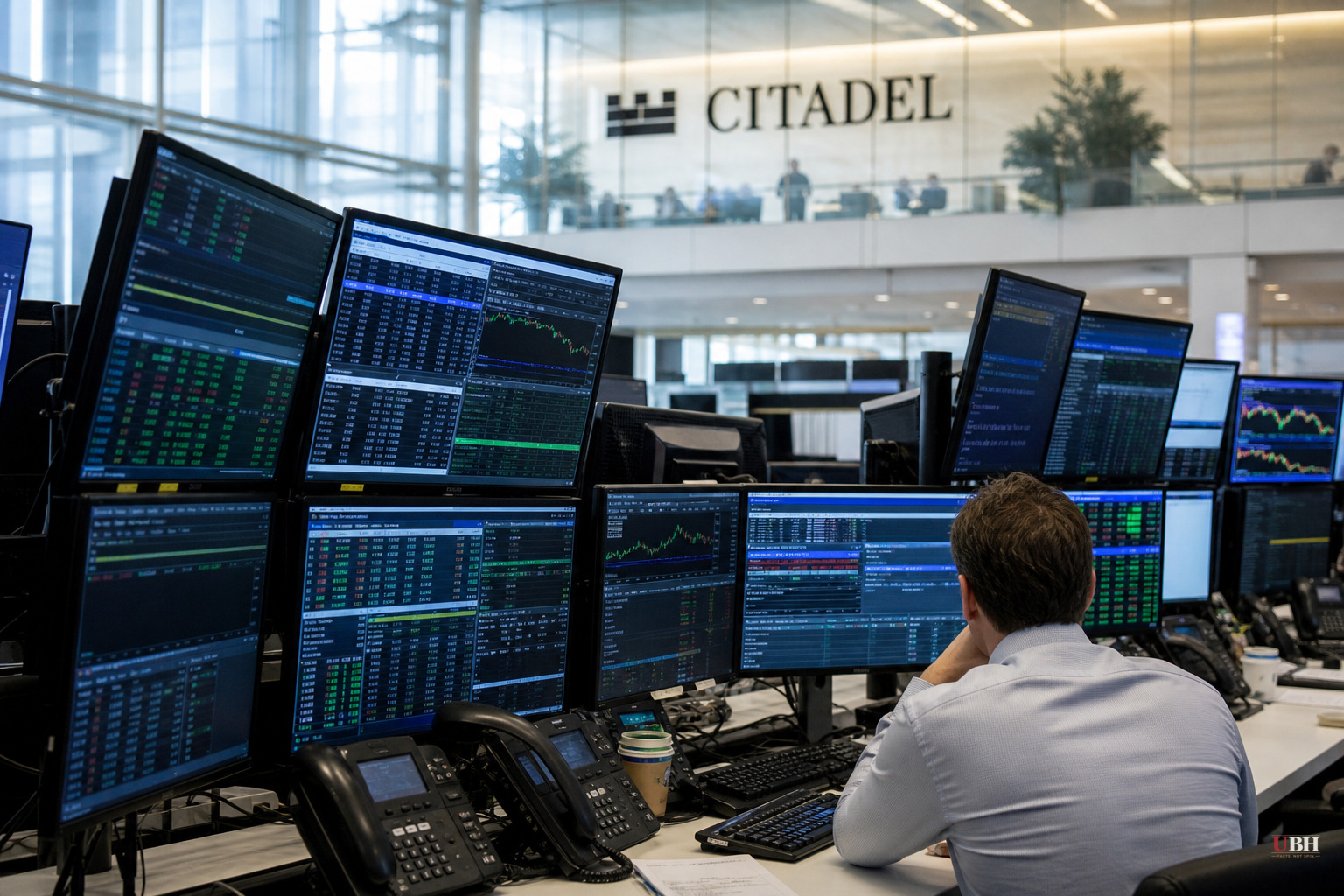
Ken Griffin runs one of the most profitable hedge funds on the planet. Part of the job is showing up when someone else's portfolio is on fire and buying the assets cheap. Last month, Griffin did exactly that. On Friday, August 21, he explained to his own investors how it went.
In a letter obtained by CNBC's Sara Eisen and separately reviewed by Reuters, Griffin said Citadel has unwound more than 80% of the aggregate risk from the portfolio it purchased from Leopold Aschenbrenner's Situational Awareness fund. Citadel did it through more than 100 block trades worth over $4 billion in market value, according to the letter.
How We Got Here
Aschenbrenner is 25 years old. He graduated valedictorian from Columbia at 19, then joined OpenAI's Superalignment team, focused on long-term AI safety. OpenAI dismissed him in 2024 over what the company called an improper disclosure of internal information. Aschenbrenner disputes that account, saying he shared a largely nonconfidential planning document with outside researchers for feedback, according to the International Business Times.
He then wrote a widely circulated set of essays arguing AI would demand an unprecedented buildout of chips, memory, power and data centers. He turned that thesis into a hedge fund, Situational Awareness, which grew to roughly $45 billion by early July, according to IBT and BigGo Finance. The fund reportedly gained 439% in the first half of 2026 by going long AI infrastructure names and shorting software companies Aschenbrenner believed AI would disrupt.
Then the trade broke in both directions at once. In June and July, AI-linked holdings like SanDisk, Micron, Nebius Group, CoreWeave and Bloom Energy fell more than 35% to 50%-plus, according to CNBC and IBT. Meanwhile the software names Situational Awareness had shorted, like Adobe, rallied. BigGo Finance reported the fund lost roughly 67% in July alone. A fund losing money on its longs and its shorts simultaneously is about as bad as it gets, and it triggered margin calls and forced sales.
The Citadel Rescue
Citadel opened talks with Situational Awareness on July 29. One day later, CNBC's David Faber reported the fund was being forced to sell all of its public stock positions. Citadel was soon identified as the buyer.
Griffin and his top lieutenants reportedly pulled an all-nighter analyzing Situational Awareness's trading book and how liquid the positions actually were, according to Reuters. "Our ability to distribute this risk was central to our investment thesis," Griffin wrote in the letter, adding that the unwind included the largest intraday block trades of the year in 10 different names.
"A transaction of this magnitude could not have been completed without the extraordinary cooperation of the trading and prime brokerage teams at the banks serving both firms," Griffin wrote. "I am grateful for the focused effort they brought to the rapid transfer of the portfolio."
The bet paid off fast. Citadel's flagship multistrategy Wellington fund returned 5.94% in July, its best single month since 2022, pushing the fund's year-to-date gain to 12%, according to CNBC, Reuters and IBT. CNBC noted that since Citadel stepped in, the AI trade has actually rebounded, meaning Situational Awareness's forced liquidation marked something close to the bottom of the June-July sell-off. Aschenbrenner's fund reportedly held onto some private investments, including a stake in AI startup Anthropic, which it had been negotiating to sell, according to IBT.
Citadel bought distressed public equities from a forced seller at a discount, hedged and distributed the risk across the market through block trades, and made money doing it. The coverage across outlets was consistent on the facts. Reuters, CNBC, Yahoo Finance and IBT all confirmed the same core numbers: 80%-plus of risk unwound, 100-plus block trades, $4 billion-plus in value, a 5.94% July for Wellington. Citadel declined to comment beyond the letter, according to Reuters.
The episode is a reminder that a 25-year-old with a compelling thesis about the future of technology and a fund that ballooned to $45 billion is still running a leveraged concentrated bet, and concentrated bets can unwind violently when the market disagrees on timing. Aschenbrenner has not issued a public statement addressing the fund's losses or Citadel's letter as of this writing. Whether Situational Awareness survives in any form, or whether Aschenbrenner returns with a smaller, less concentrated vehicle, remains an open question.
Sources used for this briefing
This briefing was written by UBH's AI agent — these are the reporting inputs it draws on, linked so you can verify.


