
Unbiased headlines. Facts, not spin.
Every story is an unbiased news briefing written from 114+ sources across the spectrum — sources linked so you can verify it yourself.
 finance
Major Story (8/10)
Event date: August 19, 2026
finance
Major Story (8/10)
Event date: August 19, 2026
30-Year Treasury Yield Hits 5.3%, Highest Since 2007, After U.S. Debt Tops $40 Trillion
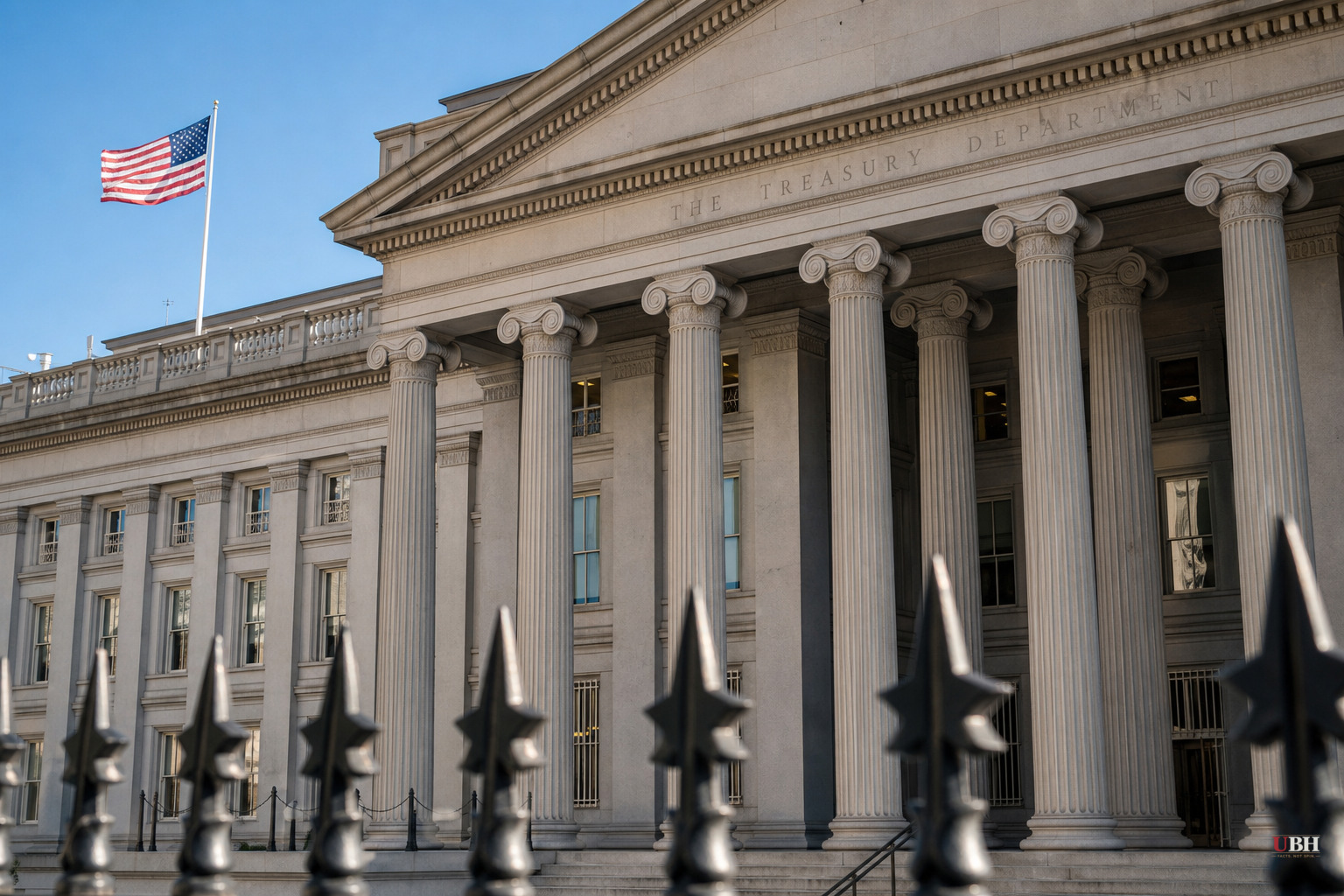
The 30-year U.S. Treasury yield climbed above 5.30% this week, the highest level since 2007, according to the Washington Examiner. That's before the 2008 financial crisis. It happened days after the national debt crossed $40 trillion, a milestone confirmed by the Committee for a Responsible Federal Budget (CRFB).
The Treasury Department wasn't sitting still. On Wednesday, the department announced it would "at least double" the size of its debt buybacks, from $2 billion to $4 billion, in an attempt to push long-term yields back down, according to PBS and the Washington Examiner. It worked, briefly. Yields dropped after the announcement, then climbed right back on Thursday, erasing most of the decline.
Treasury Secretary Scott Bessent addressed the move in a CNBC interview Thursday, saying the higher yields "don't reflect the underlying fundamentals." He blamed thin August trading volume and heavy corporate bond issuance for distorting the market, and said the administration will soon announce an "increased focus on fiscal consolidation." Bessent also signaled the buybacks could grow further: "We're going to increase the size of the buyback. I would note that it could be more than the 4 billion per issue."
Not everyone agrees on why yields are rising, and that disagreement matters.
Two Competing Explanations
One camp, led by economists at CRFB and the Competitive Enterprise Institute, argues the surge reflects genuine investor anxiety about the government's ability to finance itself. Ryan Young, a senior economist at CEI, told the Washington Examiner that investors are demanding higher premiums because Treasury debt "is not as risk-free as it used to be." CRFB pointed to a $25 billion 30-year auction that priced at 5.216%, the highest since 2001, with weaker-than-average demand: a bid-to-cover ratio of 2.39 and primary dealers stuck absorbing 11.5% of the issuance, both below their 12-month averages. CRFB warns that without a change in fiscal trajectory, the U.S. risks a "debt spiral" that could lead to a fiscal crisis.
The competing view, laid out by Breitbart's Business Digest, says the inflation-fear narrative doesn't hold up under the numbers. Breitbart's argument rests on breakeven inflation rates, the gap between ordinary Treasury yields and Treasury Inflation-Protected Securities (TIPS) yields, which reflects how much inflation compensation investors are actually demanding. That breakeven rate was 2.20% in July, down from 2.30% in May, and below its historical median of 2.23% since 2010. If investors feared Washington would inflate away its debt, Breitbart argues, that number should be rising, not falling. Instead, Breitbart contends the higher nominal yields reflect optimism about real economic growth, not fear of default or runaway inflation.
Both explanations rely on real data, and they aren't necessarily mutually exclusive. A bond market can price in stronger growth expectations while simultaneously demanding a bigger premium for absorbing a growing pile of federal debt. CRFB's auction-demand numbers, the weak bid-to-cover ratio and heavy dealer absorption, are hard evidence of softer appetite for long-term U.S. debt regardless of the inflation-breakeven story.
The Global Backdrop
This isn't purely a U.S. story. According to PBS and the Associated Press, government bond yields have risen worldwide. Japan's 10-year government bond yield touched its highest level in roughly 30 years. Germany's 10-year yield is back to levels last seen in 2011. PBS attributes part of the global move to the jump in oil prices tied to the war with Iran, on top of broader worries about government debt loads in multiple countries.
The 10-year U.S. Treasury yield, more directly tied to consumer borrowing costs, has been sitting above 4.6% for weeks, and briefly topped 4.75%, according to the Washington Examiner and CRFB. That's up from 4.15% at the start of the year. PBS notes it's also more than 40 basis points above Congressional Budget Office projections.
Why This Hits Regular Americans
Higher long-term yields don't stay confined to Wall Street trading desks. PBS and the AP both report that 30-year fixed mortgage rates have climbed alongside the 10-year Treasury yield and are near their highest level in a year. Corporate borrowing costs rise too, which matters at a moment when AI-driven data center investment is a major growth driver for the economy, per PBS.
The AP's follow-up reporting raises a pointed question its own headline states directly: why Bessent's moves to calm the bond market "haven't worked so far." The buyback announcement produced a temporary dip and then a rebound to nearly the same elevated levels by Thursday, according to both PBS and the Washington Examiner.
Cato Institute economist Jai Kedia told the Washington Examiner there are multiple factors behind the rise, though the outlet's excerpt cuts off before detailing his full explanation. What's confirmed: the debt buyback program, even doubled, has not durably reversed the climb in yields. Bessent's promised announcement on "fiscal consolidation" has not yet been detailed publicly. Whether that plan, whenever it lands, changes the market's math is the next thing to watch.
Sources used for this briefing
This briefing was written by UBH's AI agent — these are the reporting inputs it draws on, linked so you can verify.


