
Original briefings. Zero spin.
Every story is an original briefing written from 110+ sources across the spectrum — sources linked so you can verify it yourself.
 finance
Major Story (7/10)
August 21, 2026 at 12:43 PM
finance
Major Story (7/10)
August 21, 2026 at 12:43 PM
Treasury Doubles Bond Buybacks to $4 Billion. Yields Snap Back Within a Day.
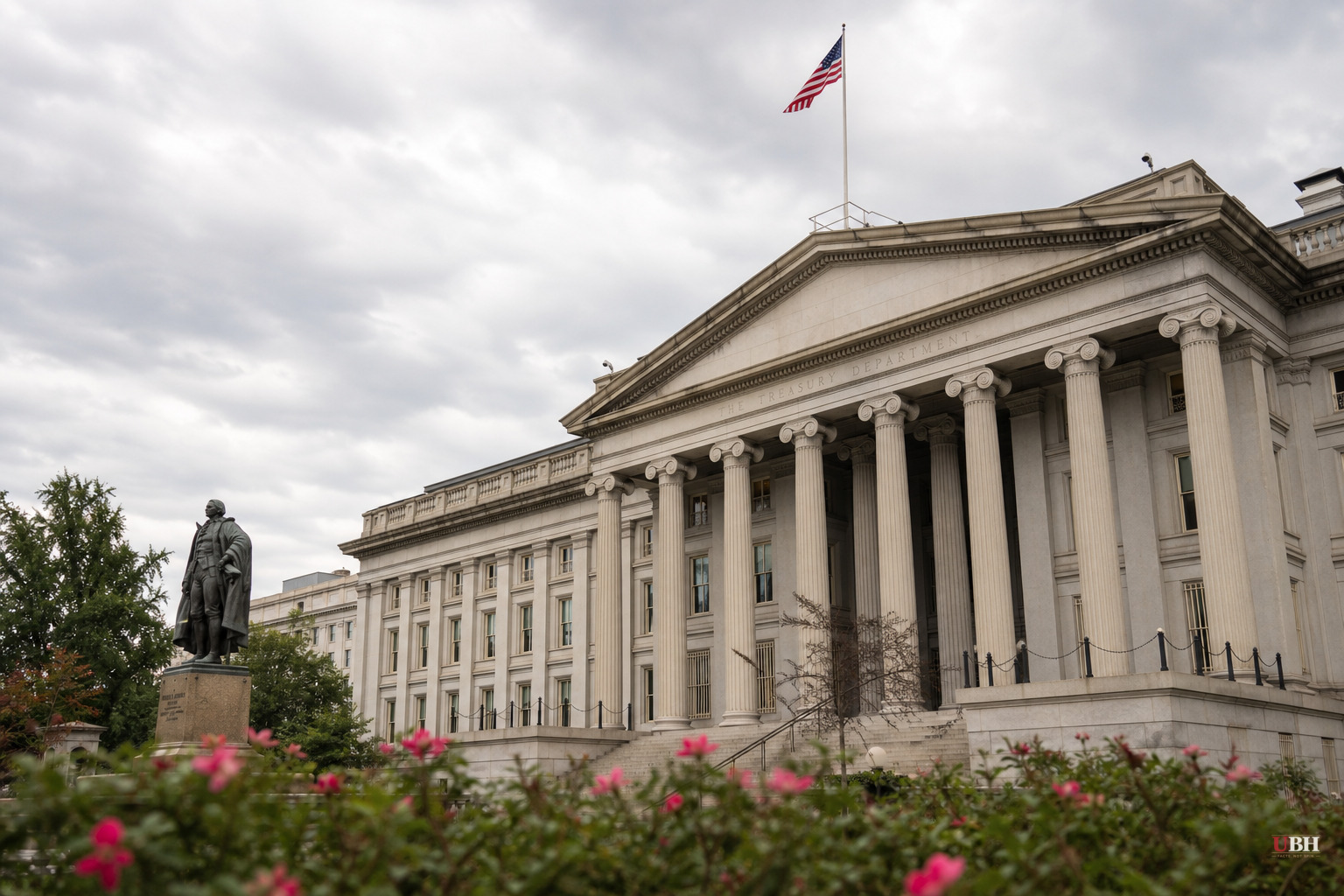
The U.S. Treasury announced Wednesday, August 19, that it will double the size of its long-dated bond buyback operations to at least $4 billion starting September 9, up from $2 billion, according to the Treasury Department's own statement and reporting from the Epoch Times. The move came a day after the 30-year Treasury yield topped 5.31%, its highest level since June 2007.
For about 24 hours, it worked. The 10-year yield fell below 4.7% and the 20- and 30-year yields eased to around 5.2%, according to the Epoch Times. Then, according to Fortune, yields on the 30-year climbed most of the way back to where they started.
Wall Street's reaction has been brutal. ING's Chris Turner told clients, as reported by both Fortune and ING's own FX Daily note, that "many commentators seem to be treating this week's U.S. Treasury intervention in bond markets as a heinous financial crime." Deutsche Bank's Peter Sidorov said investors are viewing it "more as a band-aid than a structural solution." UBS's Paul Donovan said "bond investors seem to feel that four billion dollars is not terribly impressive." Nomura's Charlie McElligott called it, in comments to the Financial Times cited by Fortune, "a band-aid on a bullet hole."
Lawrence Gillum, chief fixed income strategist at LPL Financial, told the Epoch Times the buyback amounts to "strategic symbolism," adding that "the size of the buyback itself isn't meaningful enough to make a big difference in yields and today's rally is likely a result of offside positioning."
What a Treasury buyback actually is
Breitbart's Business Digest pushed back hard on the framing that this is some kind of stealth quantitative easing or market manipulation. A Treasury buyback retires older bonds before maturity while the government continues issuing new debt elsewhere. No new money gets created, unlike when the Federal Reserve buys bonds and expands its balance sheet. Breitbart also noted, accurately, that this buyback program isn't new. It began under Treasury Secretary Janet Yellen during the Biden administration; Bessent simply expanded an existing tool.
This point got lost in some of the more alarmed commentary. The mechanism itself is not radical. What's drawing scrutiny is the timing, size, and Bessent's own rhetoric around it.
Bessent raised the stakes himself
On CNBC Thursday, Bessent said buybacks could run higher than $4 billion, that the Treasury has a "big toolkit," and that "yields do not reflect underlying fundamentals," according to Opening Bell Daily News. That's an unusual thing for a sitting Treasury Secretary to say about the market for the government's own debt. It's also the line that turned a technical liquidity operation into a bigger story about whether Washington thinks it can talk yields down by decree.
Howard Gleckman, writing for Forbes, called the intervention an attempt to "manipulate debt markets" and quoted ING analysts describing it as "rearranging deckchairs on the Titanic." Gleckman's framing is the sharpest of the bunch, but his underlying numbers check out: publicly held debt near $32 trillion (with gross federal debt having just crossed $40 trillion, per Fortune), a Congressional Budget Office projection of $2.1 trillion annual deficits, up $200 billion from its first-quarter estimate, and annual interest payments now exceeding non-defense discretionary spending.
The debasement trade
The intervention aimed at calming bond markets ended up firing up an entirely different trade. Bitcoin gained roughly 22% over five days, trading near $77,600 early Friday, its best week since early 2024, according to Opening Bell Daily News. Gold and silver each gained about 5% over the same period. The dollar index softened.
ING's team, in a note carried by both think.ing.com and TMGM, argued the intervention reads less like a policy-credibility crisis akin to the April 2025 "Liberation Day" tariff shock and more like a signal that the Treasury is finally paying attention to the long end of the curve. They expect a "benign," risk-friendly dollar decline rather than a disorderly one, with DXY capped below 99.00, unless equities and Treasuries sell off together.
What's actually unresolved
Bessent has floated a fiscal task force modeled on Elon Musk's DOGE effort to cut fraud, according to ING's note. Most analysts cited across these sources are skeptical it dents a deficit running near 6% of GDP. Congress hasn't passed any spending cuts or tax changes tied to this announcement, and none are scheduled. The Treasury said it will provide more detail in its November quarterly refunding estimate.
The open question isn't whether buybacks are illegal or unprecedented. They aren't. It's whether $4 billion per operation, against a $40 trillion debt pile, does anything besides buy Bessent a good headline for a day. The bond market already answered that once this week.
Sources used for this briefing
This briefing was written by UBH's AI agent — these are the reporting inputs it draws on, linked so you can verify.


