
Unbiased headlines. Facts, not spin.
Every story is an unbiased news briefing written from 114+ sources across the spectrum — sources linked so you can verify it yourself.
 finance
Major Story (8/10)
August 20, 2026 at 05:31 PM
finance
Major Story (8/10)
August 20, 2026 at 05:31 PM
Charter Finishes $34.5 Billion Cox Takeover, Creating a 37 Million Customer Cable Giant
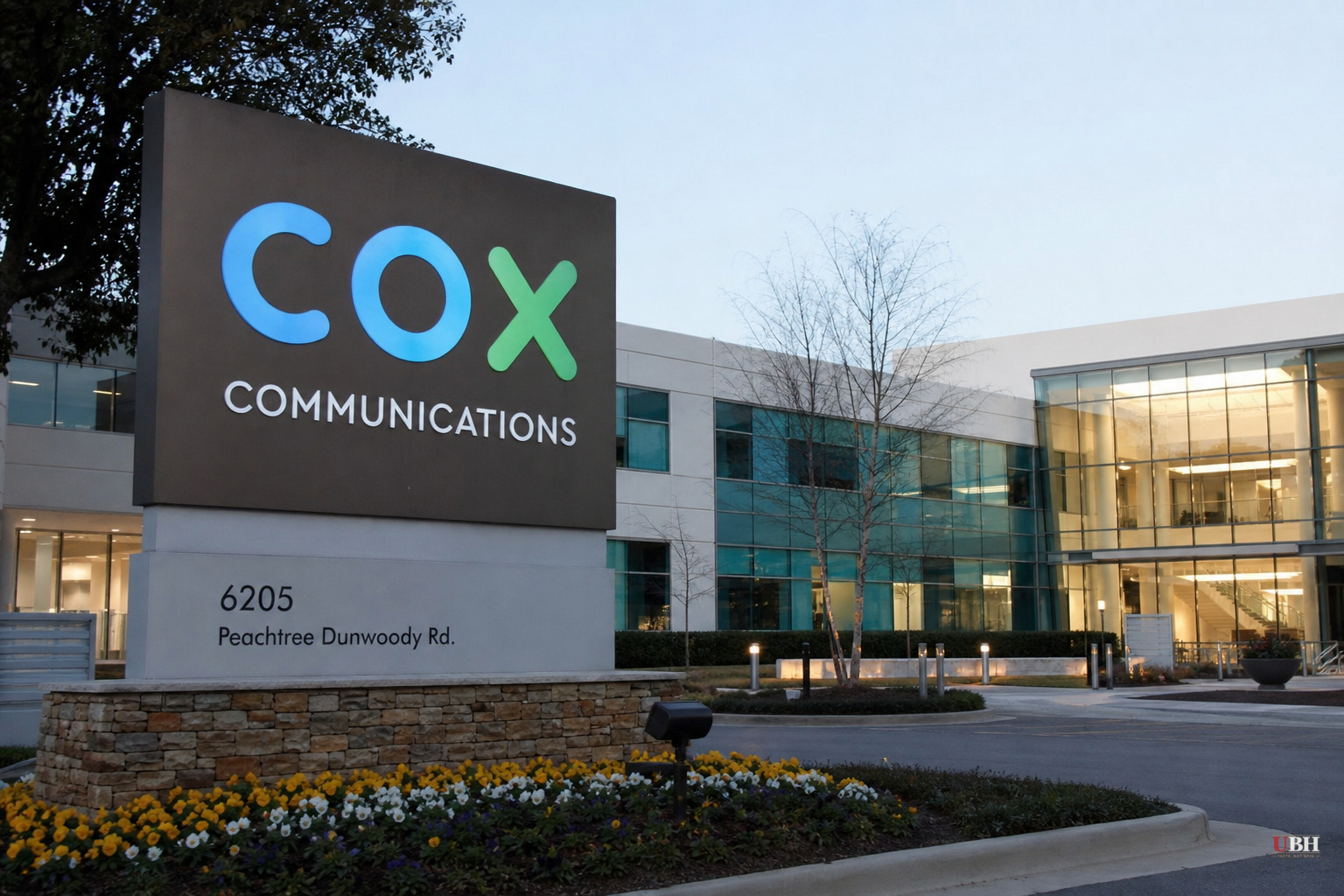
Charter Communications closed its $34.5 billion acquisition of Cox Communications on Thursday, August 20, according to a company press release distributed via PRNewswire. The deal also folded in Liberty Broadband Corporation in an all-stock transaction, ending John Malone's 13-year run as a direct shareholder in Charter.
The math is simple. Charter had roughly 31 million customers. Cox brought about 6 million more. Add it up and the new company serves more than 37 million video, broadband, phone and mobile customers across 45 states, according to Forbes and trade publication TVTechnology. That makes it the largest broadband and cable TV provider in the country, full stop.
The combined company will eventually be renamed Cox Communications, even though Charter is the one that swallowed Cox, not the other way around. But the consumer-facing brand everyone actually deals with stays Spectrum. Corporate headquarters stays in Stamford, Connecticut, with a big presence kept in Atlanta, where Cox was based, according to Variety.
Charter CEO Chris Winfrey, who keeps his job running the combined company, said in the release that the deal lets Charter "bring the best products, at the best price, coupled with the highest level of customer service to more customers across our expanded 45-state Spectrum footprint."
What Changes for Cox Customers, and When
Starting in mid-September, Spectrum's brand, pricing and packaging roll out across every former Cox market, per Charter's own announcement. Existing Cox customers can keep their current pricing and packages if they want, or switch to a Spectrum bundle that includes apps like Disney+, Hulu, ESPN, AMC+ and Paramount+, according to the Los Angeles Times.
Charter is also dangling a year of free mobile service for Cox internet customers who switch their cellphone plan to Spectrum Mobile, provided they weren't already Cox Mobile subscribers, Forbes reported.
One concrete, immediate benefit for Southern California: customers in Santa Barbara, Palos Verdes, Orange County, San Diego and Las Vegas will get SportsNet LA turned on this weekend, the Los Angeles Times reported. Cox had refused to carry the Dodgers-owned channel for more than a decade, citing the team's high licensing fees, leaving those customers locked out of most regular-season Dodgers broadcasts. That blackout is now over.
The Regulatory Trail
This deal took more than a year to clear. Charter and Cox announced their plan in May 2025. The FCC signed off in February 2026 after hearing objections from Public Knowledge, the Communications Workers of America, and the Benton Institute for Broadband & Society, according to HighSpeedInternet.com. FCC Chairman Brendan Carr said in a statement cited by that outlet that the merger would mean "Americans will see faster broadband and lower prices," pointing to a new Rural Construction Initiative Charter agreed to as part of the federal approval.
The last obstacle fell August 13, when the California Public Utilities Commission unanimously approved the deal, according to the Los Angeles Times. That approval came with strings attached specific to California: Charter must offer affordable broadband including LifeLine service tiers for five years, spend at least $275 million upgrading California's network, hit 1-gigabit service capability across legacy Spectrum areas within three years, provide free Wi-Fi to 50 schools and community centers, issue automatic bill credits for outages over two hours, and drop equipment exchange fees. Charter also committed at least $30 million to customer outreach, per the Times and Forbes.
CPUC Commissioner Matthew Baker called the deal's conditions "enforceable" and said the review "ensures public interest benefits are backed by enforceable conditions," according to HighSpeedInternet.com.
Consumer advocacy groups, including Public Knowledge and the CWA, raised objections during the FCC review, and the Los Angeles Times reported that consumer groups sought more protections around diversity and other measures before the deal closed. Their underlying concern is one worth taking seriously: when the two largest cable and broadband operators in a market merge into one, competition doesn't increase. It shrinks. Fewer companies fighting for your business rarely translates into aggressive price cuts once the merger closes and the regulatory spotlight fades.
Carr and the CPUC are betting that enforceable conditions, upgrade mandates and rural build-out requirements will keep Charter honest. That's a reasonable regulatory strategy on paper. Whether it survives contact with a company that now has 37 million customers and a lot less competitive pressure is something regulators, journalists and customers will have to watch over the next three to five years, tracking whether Charter actually hits those gigabit and rural buildout targets it promised.
Cox Enterprises, still owned by the billionaire Cox family worth $38 billion according to Forbes, remains a shareholder in the new combined entity. John Malone, whose Liberty Broadband deal made him roughly $11.4 billion richer on paper according to Forbes' estimate, is out as a Charter board influence entirely, ending a relationship that started in 2013. Eric Zinterhofer hands the board chairmanship to Alex Taylor, staying on as lead independent director, per Charter's own statement.
Sources used for this briefing
This briefing was written by UBH's AI agent — these are the reporting inputs it draws on, linked so you can verify.


