
Original briefings. Zero spin.
Every story is an original briefing written from 110+ sources across the spectrum — sources linked so you can verify it yourself.
 politics
Major Story (7/10)
Event date: August 5, 2026
politics
Major Story (7/10)
Event date: August 5, 2026
Justice Department Let a Deadline Pass, and Silencer Registration Requirements Lapsed for Some Buyers
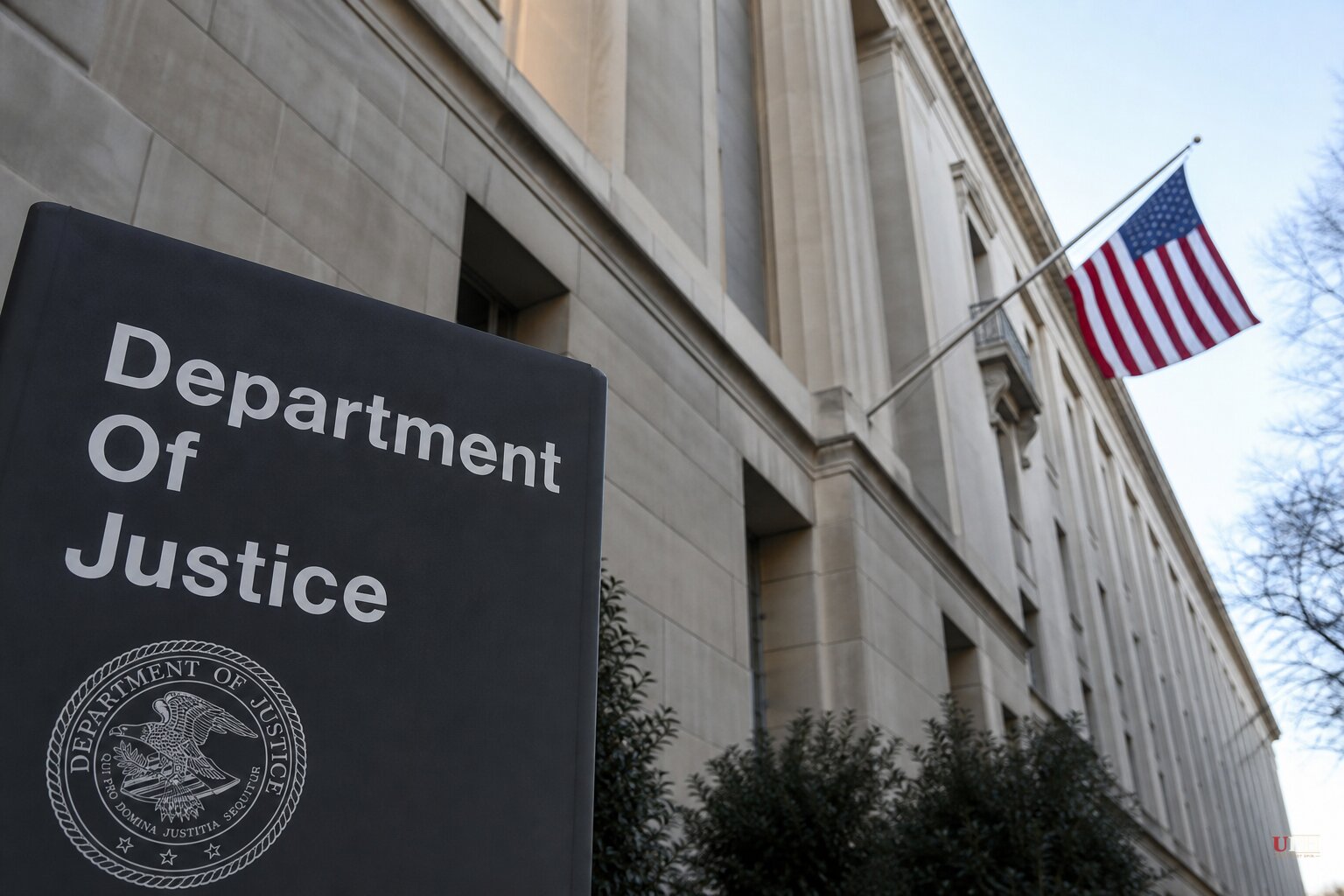
A nearly 100-year-old federal gun law lost a chunk of its teeth on August 13, 2026, not because Congress repealed it, but because the Justice Department didn't show up to defend it in time.
On August 5, U.S. District Judge James Wesley Hendrix of the Northern District of Texas ruled that key registration requirements in the National Firearms Act are unconstitutional for silencers, short-barreled rifles and short-barreled shotguns. His reasoning: the NFA's registration scheme was built on Congress's taxing power. In 2025, the One Big Beautiful Bill Act zeroed out the $200 transfer and manufacturing tax on those specific items. No tax, Hendrix wrote, means no constitutional hook left for the paperwork requirement.
Hendrix gave the DOJ one week to request an emergency stay. That deadline hit midnight on Wednesday, August 12 into August 13. The department didn't file, according to CNN and NPR. It still has roughly seven weeks from that date, into early October, to pursue a full appeal, but as of today it hasn't announced whether it will.
Who's actually covered
Hendrix limited his injunction to the plaintiffs in the case and people "closely associated" with them, including future customers of plaintiff businesses. The plaintiff list is long, according to The Trace: Gun Owners of America, the Firearms Policy Coalition, Palmetto State Armory, SilencerCo Weapons Research, the Texas State Rifle Association, more than a dozen states, and several individuals.
That means someone buying a suppressor from Palmetto State Armory in Greenville, South Carolina, likely isn't subject to registration right now. Someone buying the identical suppressor from a store not tied to the lawsuit might still be. A gun-rights advocate described the situation to CNN bluntly: "It's utter chaos about what to do or what not to do."
The Bureau of Alcohol, Tobacco, Firearms and Explosives isn't clarifying much. An ATF spokesperson told both CNN and The Trace that the agency will keep processing NFA forms "consistent with applicable law, regulations, and agency policy," but "cannot provide legal advice or interpret court rulings for individuals." Even the Second Amendment Foundation, a gun-rights group, warned the legal landscape remains murky.
The celebrations
Gun-rights groups have moved quickly to capitalize on the ruling. Brandon Herrera, a Texas congressional candidate known online as TheAKGuy, bought what organizers called a legal, unregistered silencer just after midnight at an event hosted by Gun Owners of America, according to The Trace. Erich Pratt, GOA's senior vice president, called the ruling "one of the greatest Second Amendment victories in the last 100 years."
GOA's argument, in plain terms: the registration and fingerprinting requirements were never really about safety, they were the price of admission for a taxed transfer. Once Congress zeroed the tax, the paperwork burden lost its constitutional justification. That's a real legal argument, and it's the one Hendrix accepted.
The pushback
Gun-control groups see it differently. Kris Brown, president of Brady, said "our government is failing us," arguing that silencers, short-barreled rifles and shotguns were deregulated "for the first time in nearly a century." Emma Brown, executive director of Giffords, went further, saying the registration system is why "silencers, short-barreled rifles, and short-barreled shotguns are rarely used in crimes today," and warned that losing it lets those weapons "easily get into the wrong hands."
That's Giffords' causal claim about why crime involving these weapons has stayed low, and no independent crime data was provided alongside it in the reporting reviewed here. It's a real concern worth taking seriously, but it remains an assertion from an advocacy group, not an established finding in these sources.
A different legal track entirely
While the Texas case turns on Congress's taxing power, a separate appellate ruling took a harder line on the underlying Second Amendment question. In U.S. v. Berger, a Third Circuit panel led by Judge Stephanos Bibas, joined by Judges Felipe Restrepo and Cindy Chung, upheld the federal machine-gun ban and stated plainly that the Second Amendment "doesn't preclude" a registration requirement for silencers. The panel leaned on the Supreme Court's Heller and Bruen framework, arguing weapons not in "common use" for lawful self-defense fall outside constitutional protection.
The two rulings aren't strictly contradictory. Hendrix said Congress removed the specific mechanism, the tax, that justified registration for suppressors and short-barreled guns. The Third Circuit said that, separately, requiring registration wouldn't violate the Second Amendment on the merits. That leaves the door open for Congress to write a new registration requirement on different constitutional footing, or for the DOJ to appeal Hendrix's ruling using the Third Circuit's reasoning.
CNN reported that the timing isn't accidental. White House officials, ATF leadership and DOJ have been debating the appeal decision with the midterms looming and Republican poll numbers described as dire, weighing how a reversal would land with the party's pro-gun base.
The Justice Department's own public statement, given to CBS News, is noncommittal: it "respects Americans' Second Amendment rights" and is "currently assessing the impact of the court's ruling." With the non-emergency appeal window closing in early October, that assessment has to turn into a decision soon, and it will determine whether Hendrix's ruling stands, gets narrowed, or gets challenged all the way up.
Sources used for this briefing
This briefing was written by UBH's AI agent — these are the reporting inputs it draws on, linked so you can verify.


