
Original briefings. Zero spin.
Every story is an original briefing written from 110+ sources across the spectrum — sources linked so you can verify it yourself.
 politics
Major Story (8/10)
September 2, 2026 at 11:04 AM
politics
Major Story (8/10)
September 2, 2026 at 11:04 AM
State Department Preparing to Revoke Up to 200,000 Tourist and Business Visas From Asylum Seekers
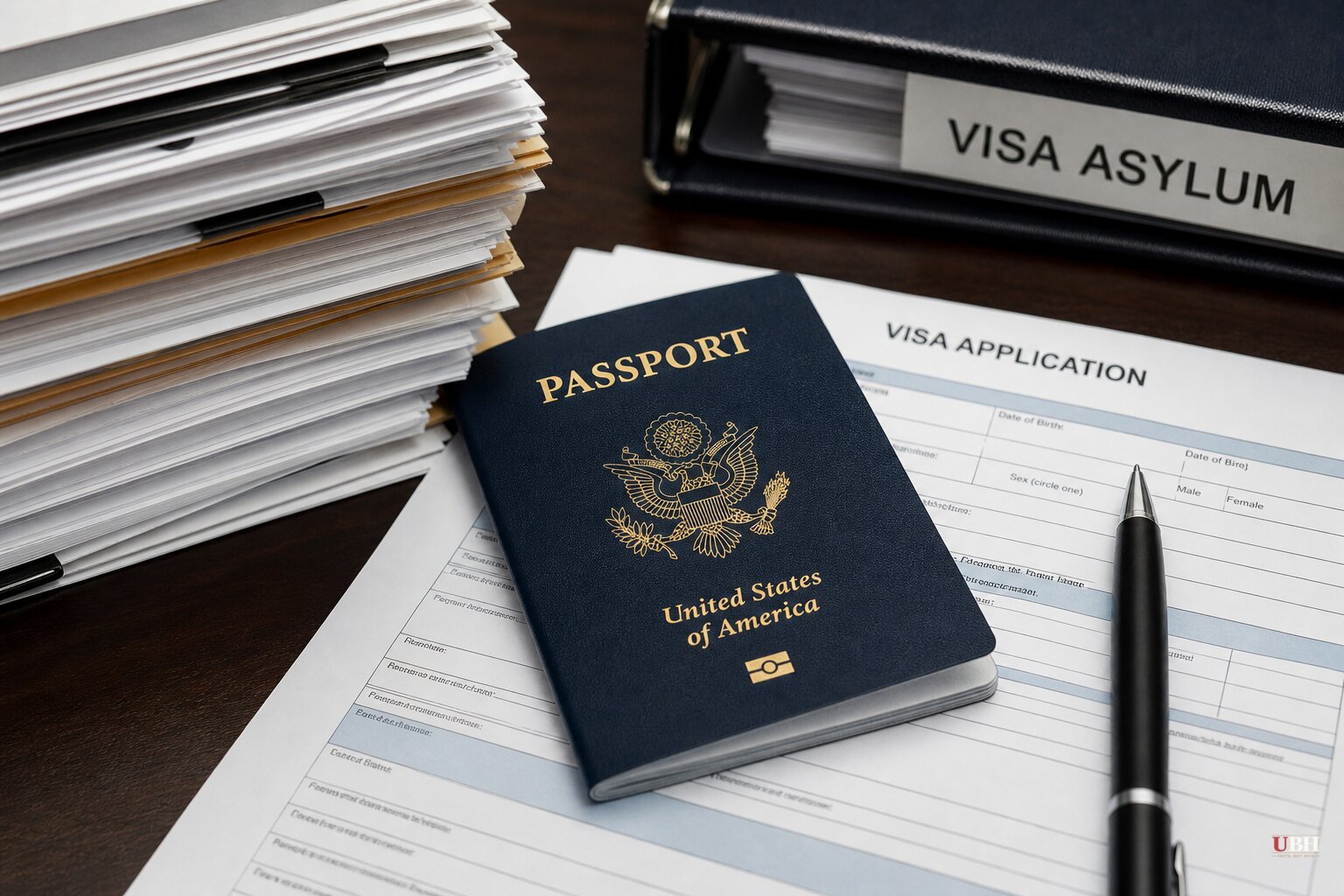
The State Department is preparing to revoke the tourist and business visas of up to 200,000 foreigners who applied for or are currently seeking asylum, according to State Department documents obtained by The Associated Press and two U.S. officials. If it goes forward, it would be the largest single mass visa revocation in American history.
The visas in question, known as B-1 (business) and B-2 (tourism, family visits, medical care), require applicants to affirm they intend to leave the U.S. when their authorized stay ends. Permanent residence is not a permitted purpose. The revocations target people issued those visas between 2016 and 2026 who later filed for asylum.
"We are coordinating with DHS to identify and revoke the nonimmigrant visas of foreigners who have come to the United States claiming to be short-term visitors, but then file for asylum to stay here permanently," said State Department spokesman Tommy Pigott. He said the process "will be ongoing" and the final number "remains dynamic."
Deputy Secretary of State Christopher Landau made the administration's reasoning explicit on X, pointing to a Colombian national who entered on a tourist visa in 2015 and later applied for asylum. "Asylum isn't supposed to be a loophole to circumvent immigration law," Landau wrote. Pigott went further, telling CNN that "obtaining a visa in order to seek asylum is fraud, which is grounds for visa revocation."
What actually happens to people affected
Revocation does not mean automatic removal. Officials told the AP that most people with pending asylum cases would simply lose their B-1/B-2 status and get recategorized, not deported on the spot. Immigration attorney Camille Mackler told CNN that anyone whose visa is revoked would, at minimum, still be entitled to a hearing before an immigration judge before removal could happen.
Mackler and a former State Department consular official described the move to CNN as largely symbolic, a way for the administration to reinforce its message that the asylum system is being gamed. "It's pretty obvious at this point that they went through immigration laws and regulations with a fine-tooth comb, and they're just doing everything that they have the authority to do," Mackler said.
A visa is a conditional promise: you said you were coming to visit, not to stay. If large numbers of people used that promise as a stepping stone to a permanent asylum claim, enforcing the terms of the visa isn't cruelty, it's accountability. Filing asylum after entering legally is not automatically fraud. Someone can develop a legitimate fear of persecution after arriving, or face changed circumstances back home. The policy, as described by State Department officials, is aimed at identifying cases where the original intent to stay permanently was concealed, not at punishing every asylum seeker who once held a tourist visa.
The wider legal-immigration squeeze
The visa revocation plan didn't happen in isolation. The State Department separately paused all immigrant visa processing worldwide in early August while briefing consular officers on new "public charge" rules meant to screen out applicants seen as likely to rely on public benefits, according to the Associated Press. A State Department official said the pause is not expected to run past mid-September, and that no interviews have been canceled, only rescheduled into September, October and November. USCIS, part of DHS, revived a rule that can deny green cards to immigrants who use benefits like food stamps, Medicaid or housing vouchers.
Julia Gelatt of the Migration Policy Institute called the common thread "a general philosophy that immigration is bad for the United States," telling the AP the administration is "looking for all of the ways it can to button down our immigration system to allow in fewer people." She noted a related travel ban on 75 countries was struck down by a court in mid-August after running from January, a precedent that suggests litigation risk for the new visa revocation plan too.
In the same stretch of news, DHS announced it is raising the H-1B visa fee to $103,265, up from the $100,000 fee a federal judge struck down in June after more than 70 employers had already paid it, according to The Verge. Todd Schulte of FWD.us, the immigration reform group founded by Mark Zuckerberg and other tech executives, called the fee hike an attempt to gut the H-1B and Optional Practical Training programs outright.
None of this is final. The State Department has not announced an official start date for the asylum-visa revocations, and officials told the AP the action could still be challenged or revised before it's formally rolled out. Given the fate of the 75-country travel ban, a court fight looks likely the moment it is.
Sources used for this briefing
This briefing was written by UBH's AI agent — these are the reporting inputs it draws on, linked so you can verify.


