
Original briefings. Zero spin.
Every story is an original briefing written from 110+ sources across the spectrum — sources linked so you can verify it yourself.
 politics
Major Story (8/10)
Event date: August 26, 2026
politics
Major Story (8/10)
Event date: August 26, 2026
Trump Says America Should Stand Alone as His Iran Sanctions Campaign Pushes Oil Prices Higher
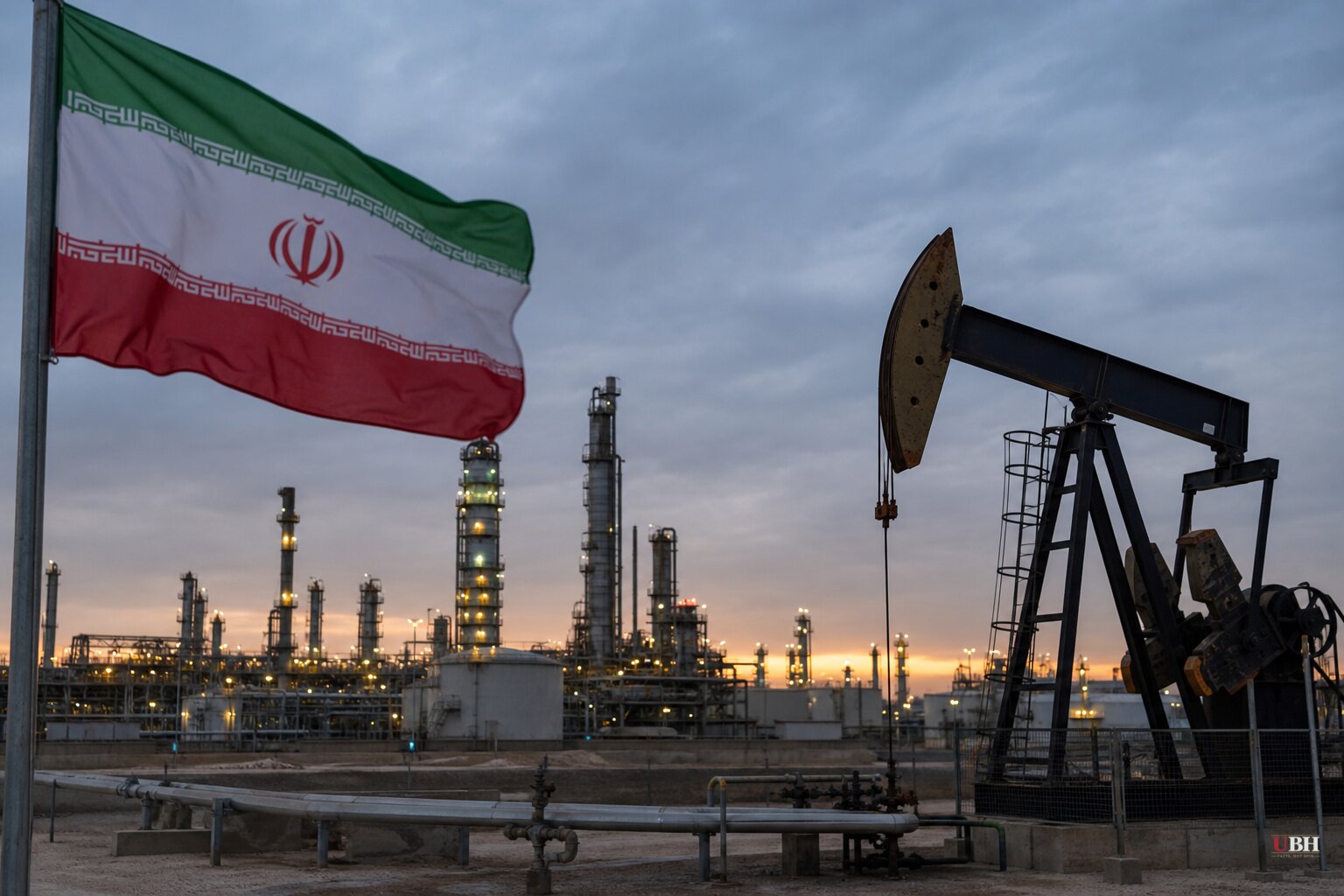
President Trump has told people close to him that the United States should stand alone rather than depend on its traditional allies, according to the Financial Times. That view is reportedly straining the alliance system Washington has led since World War II, with NATO members and Indo-Pacific partners bracing for a more transactional relationship with the U.S.
While that report circulates, the Trump administration is simultaneously running what Fox News describes as an "Economic D-Day" against Iran: a sanctions push aimed not just at Iranian officials but at the foreign banks, refiners, shipping companies and middlemen that keep Tehran's economy afloat. The message to those third parties, as Fox News frames it, is simple: choose Iran or choose America. Not both.
Oil Markets Are Already Moving
Brent crude closed last week near $94 a barrel and West Texas Intermediate settled at $86.64, according to Fox News. AAA data cited in that report shows the average U.S. gas price ticked up from $4.07 to $4.10 a gallon over the same week. Fox News ties the increase directly to Trump's announcement that Washington would enlist allies in the isolation campaign against Iran.
Iran's South Pars Phase 14 gas refinery, hit in an Israeli strike on June 14, 2025, has restored 70% of its capacity, Reuters reported, citing Iran's oil ministry news agency SHANA. CEO Touraj Dehqani said the facility will be fully operational by the end of this year. Israel struck the offshore South Pars field again in March 2026; the field supplies roughly 80% of Iran's natural gas, according to the Associated Press. Separately, the Israel Defense Forces announced it killed a Hamas company commander, Sharif al-Hasanat, in an operation the IDF said targeted efforts to rebuild Hamas's underground infrastructure.
The Case That This Is Decline
Mark Leonard, director of the European Council on Foreign Relations, laid out the establishment concern in a Foreign Affairs essay discussed on NPR. Leonard argues the U.S.-led rules-based order was already eroding before Trump's second term but that Trump has acted as an accelerant. He points to the U.S. withdrawal from the World Health Organization, disengagement from parts of the United Nations, open skepticism of the World Trade Organization, and warnings to NATO members that the U.S. won't defend them if they don't spend enough on their militaries. Leonard also cites Trump's stated interest in acquiring Greenland as evidence of a break from postwar norms.
A Traders Union analysis makes a similar point using the G20 as evidence: finance ministers failed to reach a consensus communiqué this year over disputes including language targeting China's "non-market" policies, supply-chain resilience and debt treatment, forcing the U.S. to issue a chair's statement instead. Fair Observer frames Trump's record in explicitly critical terms, arguing his policies undercut the Biden administration's green energy investments and are clearing space for China to fill the vacuum left by a retreating Washington. That piece reads as opinion analysis rather than straight reporting and doesn't engage with the administration's stated rationale for any of its moves.
The Case This Is Leverage, Not Retreat
There's a fair counter-argument: NATO allies have underspent on defense for decades while relying on American taxpayers to backstop European security. Asking them to hit agreed spending targets isn't abandonment, it's collecting on a debt that's been outstanding since the Cold War. Likewise, telling banks and shippers they can't do business with both Iran and the United States isn't isolationism. It's using America's market size as leverage, which is the kind of hardball dealmaking allies complained the U.S. didn't use often enough against Tehran for years.
What's unresolved is whether other countries will actually comply. No U.S.-Iran talks have been officially announced as of this writing, and observers are watching whether officials like Secretary of State Marco Rubio or envoy Steve Witkoff turn up as named participants in any future negotiation. Also unresolved: whether the banks and refiners targeted by the sanctions campaign actually cut ties with Iran, or absorb the risk and keep doing business anyway, betting Washington won't follow through on enforcement.
Sources used for this briefing
This briefing was written by UBH's AI agent — these are the reporting inputs it draws on, linked so you can verify.


